English
- English
- Español
- Português
- русский
- Français
- 日本語
- Deutsch
- tiếng Việt
- Italiano
- Nederlands
- ภาษาไทย
- Polski
- 한국어
- Svenska
- magyar
- Malay
- বাংলা ভাষার
- Dansk
- Suomi
- हिन्दी
- Pilipino
- Türkçe
- Gaeilge
- العربية
- Indonesia
- Norsk
- تمل
- český
- ελληνικά
- український
- Javanese
- فارسی
- தமிழ்
- తెలుగు
- नेपाली
- Burmese
- български
- ລາວ
- Latine
- Қазақша
- Euskal
- Azərbaycan
- Slovenský jazyk
- Македонски
- Lietuvos
- Eesti Keel
- Română
- Slovenski
- मराठी
- Srpski језик
Signal and Control Cables
Safe, durable and efficient cables for various electrical equipment
Customized Signal and Control Cables for Reliable Solutions
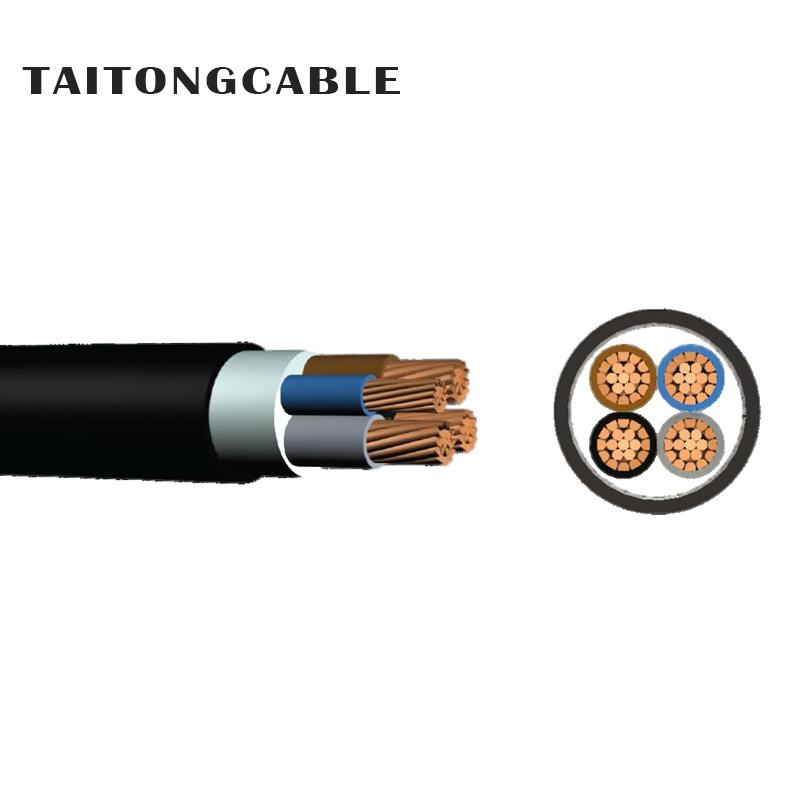
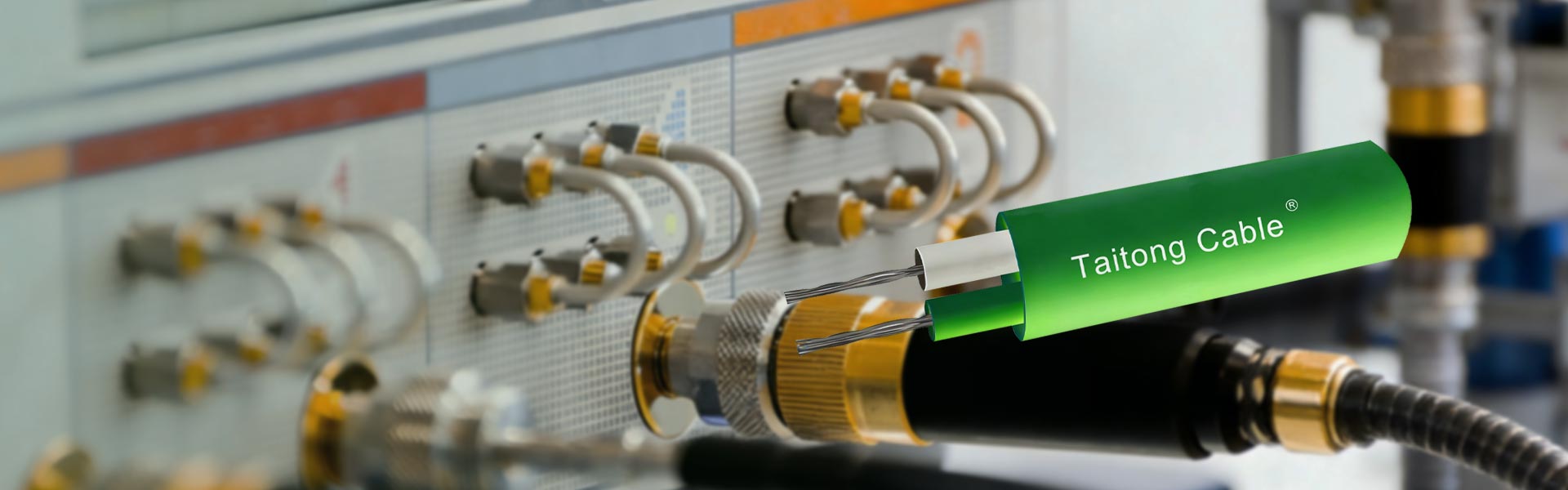
1. As a trusted Chinese supplier, Taitong Cable delivers high-quality Signal and Control Cables featuring three core components:
Conductor - usually copper or aluminum for conductivity);
Insulation layer - PVC, XLPE, or FP (fluoropolymer) to prevent leakage;
Sheath - PVC, PE, or halogen-free materials for mechanical protection.
Some specialized cables add shielding or armoring layers for enhanced performance.
- View as
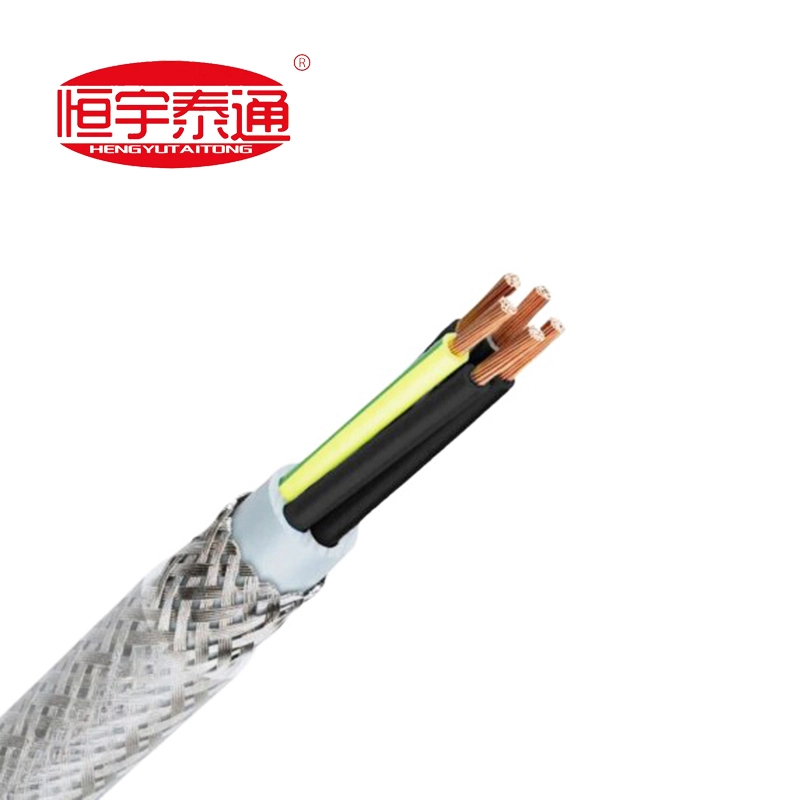
Shielded control anti-interference cables
Taitong Cable is a large-scale and creative manufacturer and supplier of control cables in China. The great advantages of our Shielded control anti-interference cables with anti-interference performance is factory-made with competitive price and best quality for our customers. Taitong is proud to turn Chinese cable manufacturing into a global brand and cooperate with industry leaders worldwide.
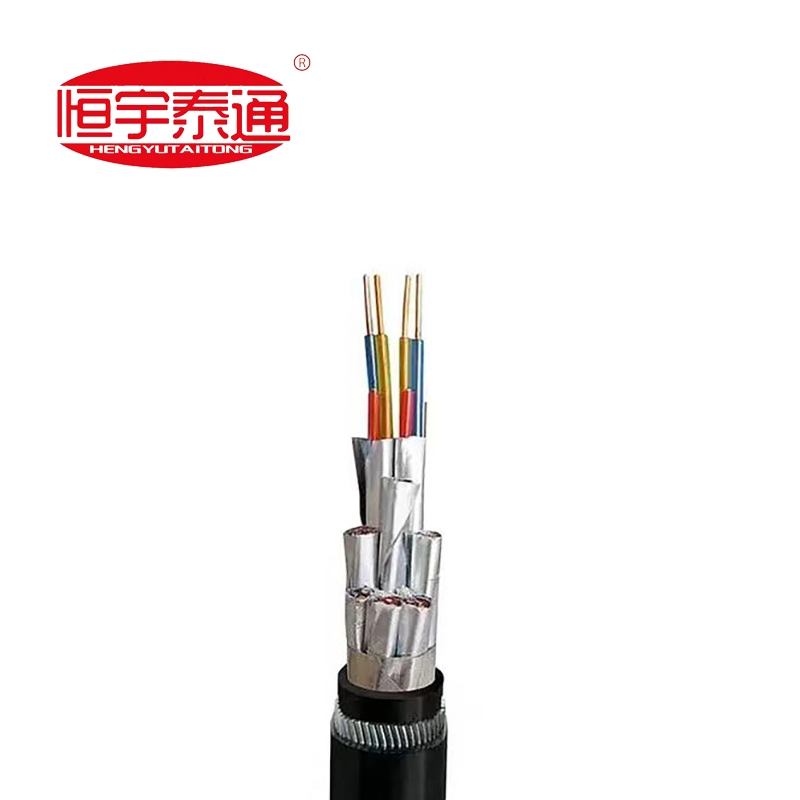
Armoured control cables A or C Cables
Taitong Cable is a professional manufacturer of civil, industrial and special wires and cables. As a professional producer and supplier of armored control cables, our Armoured control cables A or C Cables are sold across China and many countries in Asia, America, Africa and Europe. Focusing on product quality and customer service, Taitong adheres to the global concept of environmentally friendly products. With advanced production and testing equipment and a professional technical team, we hope to establish long-term, stable and friendly cooperative relations with more international customers.
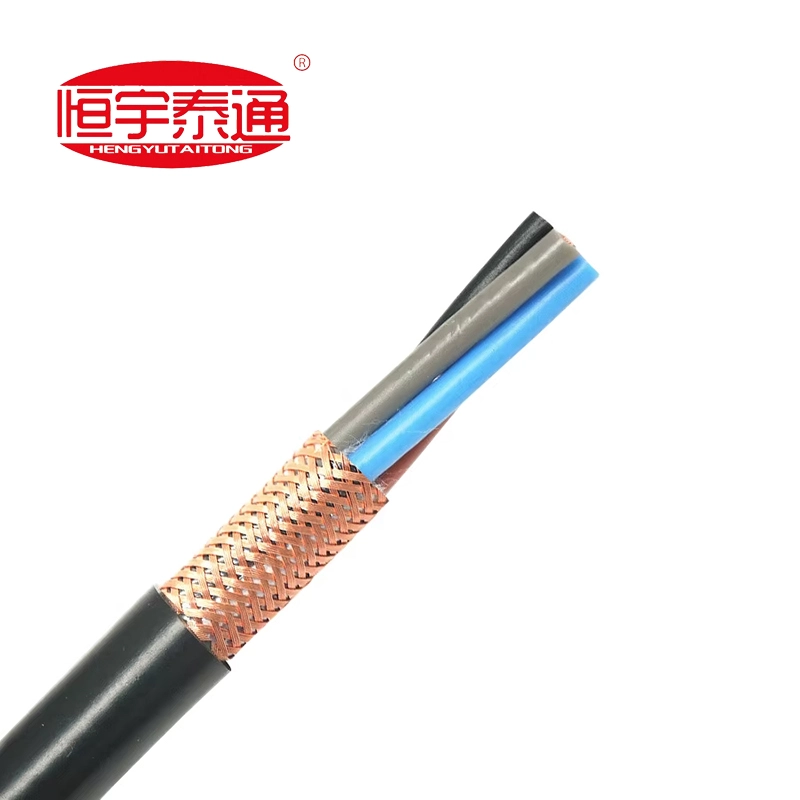
Soft conductor flexible control cables
Taitong Cable Co., Ltd. is a professional global wire and cable manufacturer and supplier. Our Soft conductor flexible control cables enjoy a large market share in China and have been exported to all over the world. With advanced production equipment and an excellent technical team, Taitong provides customers with professional and reliable cable supply services. We own a full set of professional qualifications and patents, strictly controlling every production process to ensure stable and high-quality products for global customers.
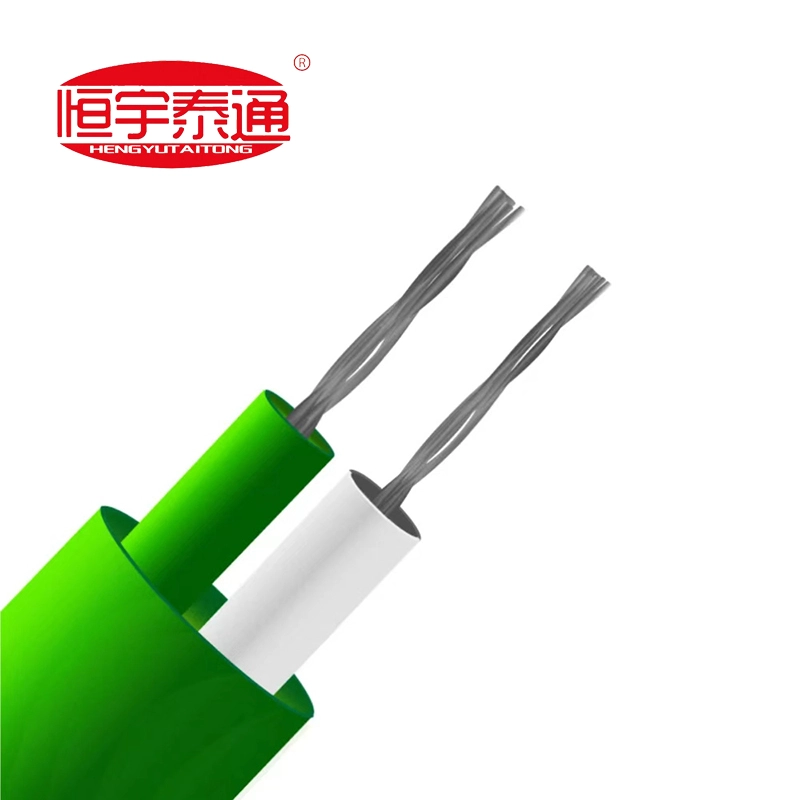
Computer Control And Signal Cables PLS DCS
As a professional Computer Control And Signal Cables PLS DCS manufacturer and global supplier in China, Taitong Cable Co., Ltd. has over 20 years of experience with skilled technical and sales teams. We provide cost-effective, high-quality cables and services for overseas clients. Located in Hebei, China, Taitong welcomes global enterprises and distributors for cooperation in order to offer standard-compliant stock and customized cables for power and equipment industries across Europe, America, Asia and Africa.
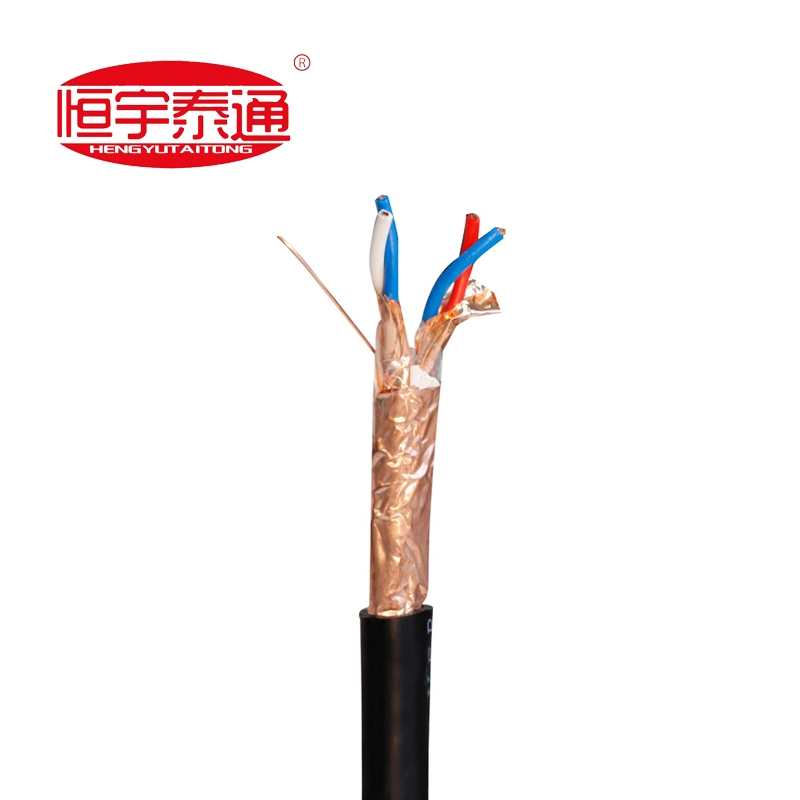
Instrument Special Control Signal Cables
Taitong is a professional manufacturer and global supplier of Instrument Special Control Signal Cables. With an extensive service network, we have covered most provinces and cities across China, and exported our products to overseas countries. We take great pride in providing customers with a full range of cable products in various specifications compliance with International standard compliant cables.
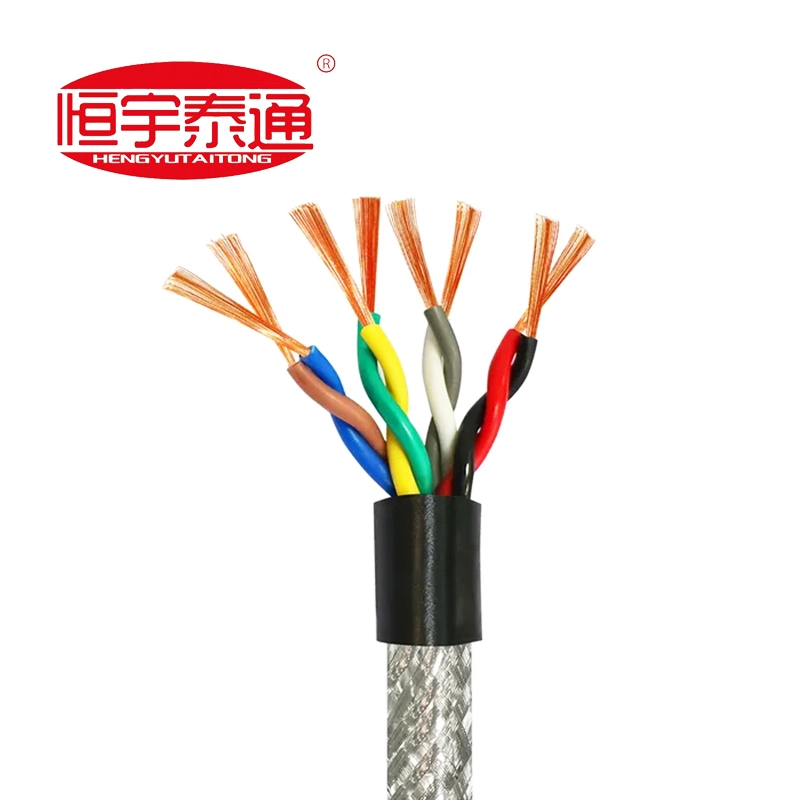
Standard Single Shielded Single-layer Cables
Taitong Cable is a professional Standard Single Shielded Single-layer Cables manufacturer and supplier, as well as a global provider of specialized wire and cable solutions. We offer an extensive range of cables with diverse protective functionalities, supported by dedicated production facilities built for specialized manufacturing needs. As a Class A Taxpayer in China’s cable industry, Taitong’s market presence covers the entire domestic market and numerous friendly foreign countries, partnering closely with clients to deliver reliable power support for global construction and industrial sectors.
2. What are the basic performance aspects of cables for electrical equipment?
The performance of cables for electrical equipment mainly includes the following aspects:
Electrical properties:
Conductivity, insulation performance, voltage resistance, anti-interference performance;
Mechanical properties:
Tensile strength, flexibility, bending resistance, abrasion resistance, impact resistance;
Heat and temperature resistance:
Long-term allowable operating temperature, overload capacity, flame retardancy, fire resistance;
Environmental resistance:
Aging resistance, oil resistance, acid and alkali resistance, corrosion resistance, moisture resistance, cold resistance;
Safety performance:
Low smoke zero halogen (LSZH), flame retardancy, fire resistance, rodent and termite resistance
3. Key properties of Signal and Control Cables
Electrical conductivity
low resistance for efficient power and signals transmission.
Insulation resistance
High dielectric strength to avoid short circuits), temperature resistance (-40℃ to 125℃ depending on materials.
Mechanical durability
Tensile, bending, and abrasion resistance.
Environmental adaptability
Moisture, corrosion, and flame resistance.
4. Application Scenarios of Signal and Control Cables
Wires and cables of electric equipment are widely used in industrial automation, power systems, construction, petrochemicals, transportation, and aerospace. They transmit power, control signals, and measurement data for electrical equipment, instruments, and control systems.
5. What types of electrical equipment cables does Taitong Cable supply?
5.1 Power Equipment Cables:
High-voltage and low-voltage power cables, aluminum alloy power cables, aerial insulated cables, mineral-insulated fire-resistant cables.
5.2 Industrial Equipment Cables:
Rubber-sheathed flexible cables, welding machine cables, shield machine cables, elevator cables, submersible pump cables, mining cables.
5.3 Control and Signal Cables:
Control cables, compensation cables, low-smoke zero-halogen (LSZH), flame-retardant and fire-resistant signal cables.
5.4 Special Equipment Cables:
Marine cables, photovoltaic cables, pre-fabricated branch cables, high-temperature resistant, corrosion-resistant, rodent-proof and termite-proof special cables.
6. Taitong Cable provides dedicated cables for a wide range of electrical equipment, mainly including:
6.1 Control Cables:
Transmit control and interlocking signals in industrial control systems;
Feature multiple cores (2-61 cores), small cross-section (0.5-2.5mm²), and reliable signal stability;
Applied in PLC systems, motor control cabinets, and production line control circuits.
6.2 Instrumentation Signal Cables:
Transmit weak measurement signals (e.g., temperature, pressure, flow);
Require low noise, anti-interference, and high precision;
Used in instrumentation, sensors, and data acquisition systems.
7. Taitong Control Cables and Computer Instrumentation Cables:
7.1 Shielded Control Cables:
Add copper braid or aluminum foil shielding to suppress electromagnetic interference (EMI);
Suitable for complex industrial environments with strong interference (e.g., near inverters or power cables).
7.2 Armored Control Cables:
Equipped with steel tape or steel wire armoring for anti-crushing and anti-rodent protection;
Ideal for underground burial, cable trenches, or harsh outdoor conditions.
7.3 Flexible Control Cables:
Adopt fine-stranded conductors and flexible insulation/sheath materials (e.g., TPE);
Designed for frequent bending scenarios (e.g., robotic arms, moving equipment).
7.4 Soft Conductor Cables:
Use extra-fine copper strands for ultra-flexibility, ensuring easy installation in narrow spaces or dynamic applications.
7.5 Thermocouple Compensation Cables:
Match thermocouple materials to reduce temperature measurement errors;
Applied in temperature monitoring systems for petrochemicals and metallurgy.
7.6 Computer Instrumentation Cables:
High-precision, low-capacitance cables with double shielding;
Transmit digital and analog signals for computers, DCS systems, and precision instruments, ensuring data integrity.