English
- English
- Español
- Português
- русский
- Français
- 日本語
- Deutsch
- tiếng Việt
- Italiano
- Nederlands
- ภาษาไทย
- Polski
- 한국어
- Svenska
- magyar
- Malay
- বাংলা ভাষার
- Dansk
- Suomi
- हिन्दी
- Pilipino
- Türkçe
- Gaeilge
- العربية
- Indonesia
- Norsk
- تمل
- český
- ελληνικά
- український
- Javanese
- فارسی
- தமிழ்
- తెలుగు
- नेपाली
- Burmese
- български
- ລາວ
- Latine
- Қазақша
- Euskal
- Azərbaycan
- Slovenský jazyk
- Македонски
- Lietuvos
- Eesti Keel
- Română
- Slovenski
- मराठी
- Srpski језик
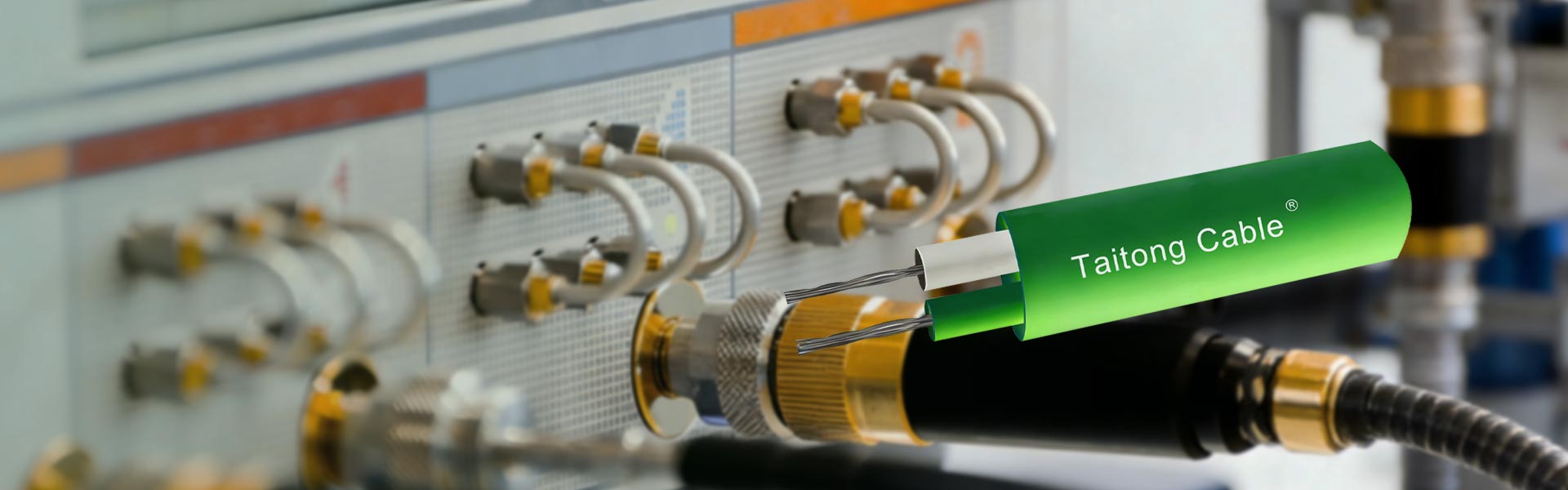
Signal and Control Cables
Safe, durable and efficient cables for various electrical equipment
Customized Shielded Cables from China Manufacturer
Taitong Wire and Cable Co., Ltd. is a large wire and cable manufacturer in China, located in Hebei Province. Our market covers the whole country and many overseas regions. The shielded cables from Taitong Cable mainly include single-layer shielded cables, double-layer shielded cables (pair and overall shielded), and fire-resistant and eco-friendly shielded cables. With good reputation and reliable service, we provide global customers with high-quality Chinese-made shielded cables for control, power and other applications. Welcome to cooperate with us.
- View as
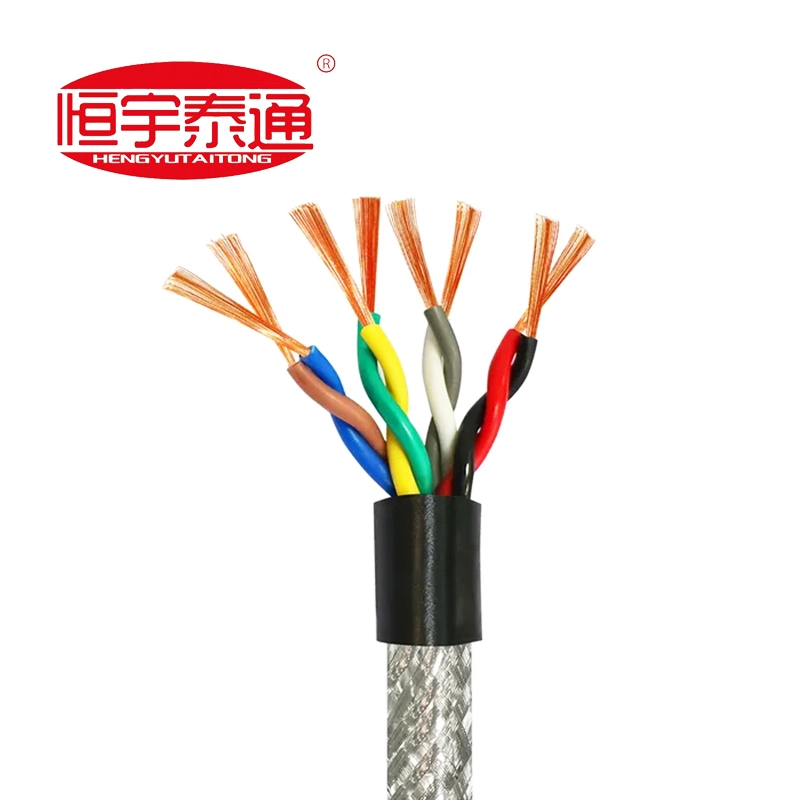
Standard Single Shielded Single-layer Cables
Taitong Cable is a professional Standard Single Shielded Single-layer Cables manufacturer and supplier, as well as a global provider of specialized wire and cable solutions. We offer an extensive range of cables with diverse protective functionalities, supported by dedicated production facilities built for specialized manufacturing needs. As a Class A Taxpayer in China’s cable industry, Taitong’s market presence covers the entire domestic market and numerous friendly foreign countries, partnering closely with clients to deliver reliable power support for global construction and industrial sectors.
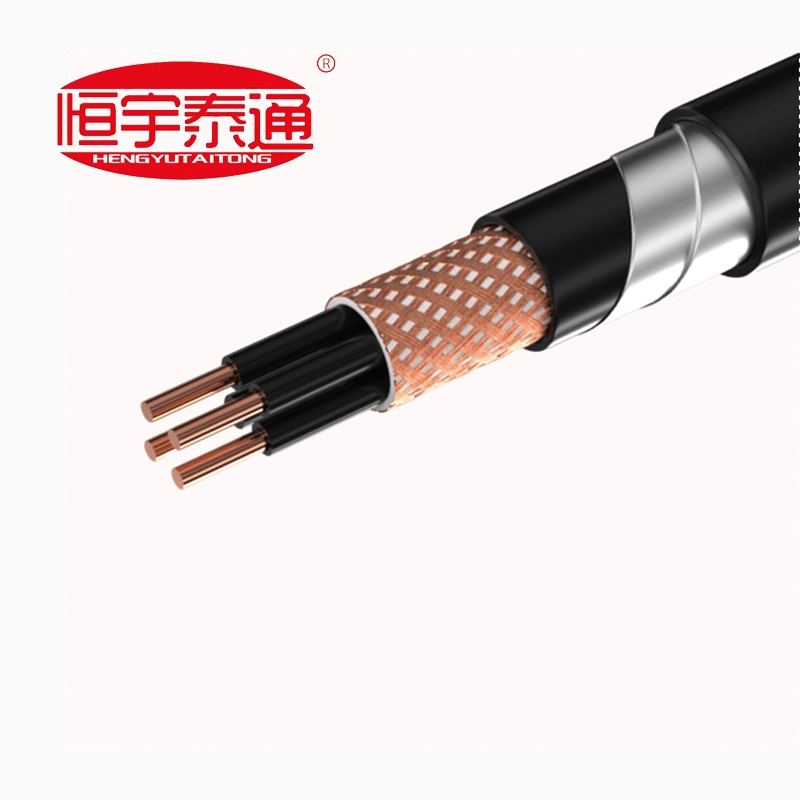
High anti-interference Double-shielded cables
Taitong Cable is a professional manufacturer and global supplier of civil, industrial, and special-purpose cables in China. As a large enterprise, our high anti-interference double-shielded cables—integrating pair shielding and overall shielding—are sold throughout China and have gained access to stable international markets. We are committed to providing high-quality products and services, standing side by side with customers to contribute to the construction of the global power industry. Taitong Cable focuses on reliability and performance which makes the company a trusted partner for clients worldwide.
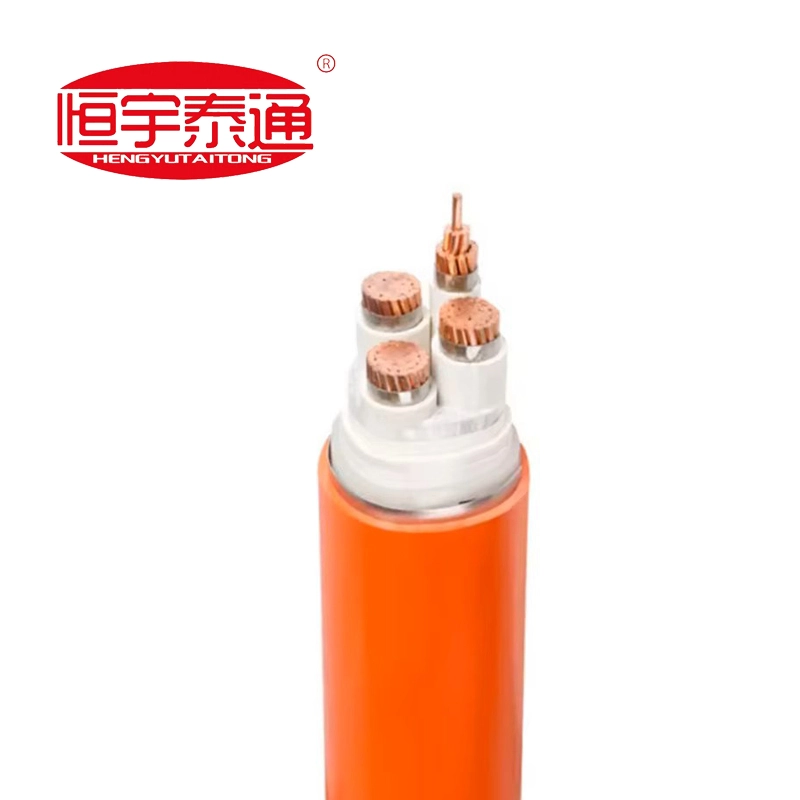
Environment-friendly Fireproof Shielded Cables
Taitong Cable is a professional Environment-friendly Fireproof Shielded Cables manufacturer and global supplier, holding core industry qualifications including China’s CCC compulsory certification, ISO 9001 quality management system certification, and international certifications such as CE. As a large-scale enterprise, our environmentally friendly fire-resistant shielded cables have gained a stable market share worldwide. Backed by authoritative certifications and rigorous quality control, Taitong is dedicated to attracting more customers and building long-term cooperative relationships through premium products and professional services, contributing to the global power industry’s sustainable development.
1. What is a shielded cable?
Shielded cable is a special transmission cable with a metal braid or metal foil (such as copper or aluminum) wrapped around the conductors. By grounding the shield layer, it effectively isolates or reduces external electromagnetic interference (EMI) and radio frequency interference (RFI), and prevents internal electromagnetic radiation from affecting nearby equipment. It is widely used in control, communication and signal transmission systems.
2. Key Points of Shielded Cables
2.1 Structure:
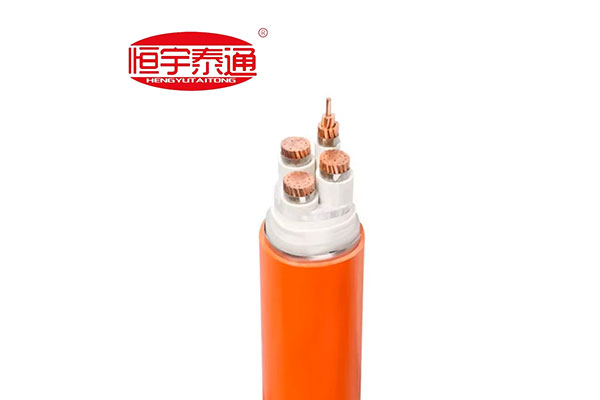
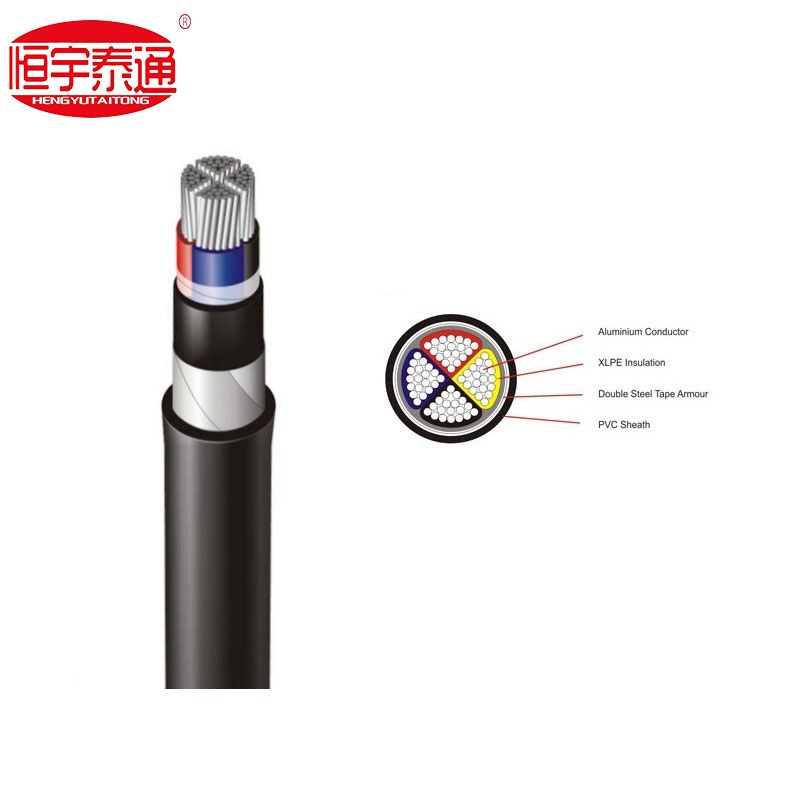
Composed of conductors (cores), insulation layer, shielding layer (metal braid/aluminum foil) and outer sheath.
2.2 Main Function:
Reduce interference and protect signal integrity. In power cables, it prevents partial discharge and protects personnel and equipment.
2.3 Shielding Types:
Include braided shielding (for low-frequency interference), aluminum foil shielding (for high-frequency interference), and combined shielding (braid + aluminum foil).
2.4 Usage:
Must be grounded. Single-end grounding is generally recommended to avoid interference currents caused by different ground potentials at both ends.
2.5 Typical Applications:
Industrial automatic control systems, frequency converters, monitoring systems, data centers and highly sensitive electromagnetic environments.
2.6 Advantages:
Significantly improve the anti-interference ability and ensure signal integrity.
2.7 Disadvantages:
Compared with unshielded cables (UTP), they are stiffer, heavier, more expensive, and more complicated to install.
3. Operating Characteristics:
Rated voltage U0/U 3.6/6 kV;
Long-term operating temperature of the cable conductor: 90℃;
Minimum bending radius: 6 times the outer diameter of the cable;
The cable shall not be exposed to direct sunlight for a long time;
The grounding core of the cable must be properly grounded.
4. Main Technical Performance
4.1 Finished cables shall pass power frequency AC voltage test: 11.0 kV for 5 min for power cores.
4.2 Transition resistance: Transition resistance of shielding or monitoring layer shall not exceed 3 kΩ.
4.3 Flammability test: Cables shall pass the burning test specified in GB12666.2 DZ---1.
4.4 Partial discharge test: Discharge quantity not exceeding 20 pC at 1.5U₀.
4.5 Dielectric loss tangent test: Not more than 0.035 at U₀.
4.6 Impulse voltage test: After 10 times positive and negative impulses at 60 kV at 95 °C, apply 11 kV power frequency voltage for 15 min on samples.
4.7 Cables shall withstand 3U power frequency voltage test for 4 hours.
5. Purpose of Shielding
Shielding is intended to ensure the transmission performance of a system in an electromagnetic interference environment. Anti-interference here includes two aspects: the ability to resist external electromagnetic interference and the ability to limit electromagnetic radiation emitted by the system itself.
In theory, covering cables and connectors with a metallic shielding layer can effectively filter out unwanted electromagnetic waves, which is the method adopted by most shielding systems. However, the effectiveness of this method depends heavily on proper grounding. A metallic layer alone is insufficient; the shield must be fully and correctly grounded to drain interference currents safely into the earth.
In practical installation, shielding systems face serious challenges. Strict grounding requirements often lead to poor grounding, such as excessive resistance or unbalanced ground potential. This creates a potential difference between two points in the transmission system, inducing current in the shield and breaking its continuity. In such cases, the shield itself becomes a major interference source, resulting in worse performance than unshielded systems.
For high-frequency transmission, both ends of the shield are usually grounded, which further increases the risk of potential differences. A complete shielding system requires continuous shielding at every point; any defect will degrade overall performance. However, most network hubs and computers on the market lack built-in shielding support, making full-link shielding difficult to achieve.
6. Choosing Taitong Cable’s shielded cables is the right decision:
As a trusted Chinese cable supplier with decades of experience and large-scale manufacturing facilities, Taitong Cable offers unparalleled procurement advantages. We deliver premium shielded cables embodying "Chinese Quality"—reliable performance, multiple specifications, and customizable solutions tailored to diverse needs. Taitong provides cost-effective pricing, backed by efficient production chains, to ensure competitive value. With professional pre-sales consultation and global after-sales support. Upholding "Global Service" commitments, enabling timely deliveries worldwide, Taitong is ready to partner with an experienced supplier that balances top-tier quality, flexible options, and dedicated service for your shielding cable needs.