English
- English
- Español
- Português
- русский
- Français
- 日本語
- Deutsch
- tiếng Việt
- Italiano
- Nederlands
- ภาษาไทย
- Polski
- 한국어
- Svenska
- magyar
- Malay
- বাংলা ভাষার
- Dansk
- Suomi
- हिन्दी
- Pilipino
- Türkçe
- Gaeilge
- العربية
- Indonesia
- Norsk
- تمل
- český
- ελληνικά
- український
- Javanese
- فارسی
- தமிழ்
- తెలుగు
- नेपाली
- Burmese
- български
- ລາວ
- Latine
- Қазақша
- Euskal
- Azərbaycan
- Slovenský jazyk
- Македонски
- Lietuvos
- Eesti Keel
- Română
- Slovenski
- मराठी
- Srpski језик
How Fire Resistant Cables Ensure Safety in Critical Applications?
Summary: Fire resistant cables are crucial components in modern electrical systems, designed to maintain circuit integrity during fires and prevent catastrophic failures. This article explores their working principles, applications, benefits, and selection guidelines to help engineers, safety managers, and facility operators make informed decisions.
Table of Contents
- What Are Fire Resistant Cables?
- How Fire Resistant Cables Work
- Why Fire Resistant Cables Are Essential
- Key Applications
- Benefits Over Standard Cables
- Choosing the Right Fire Resistant Cable
- Frequently Asked Questions (FAQ)
What Are Fire Resistant Cables?
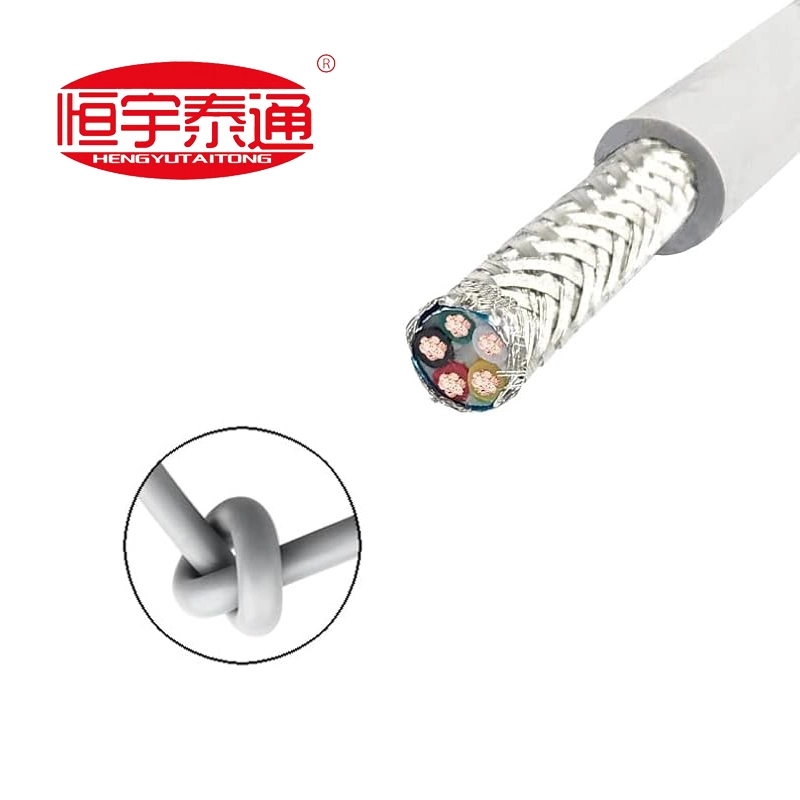
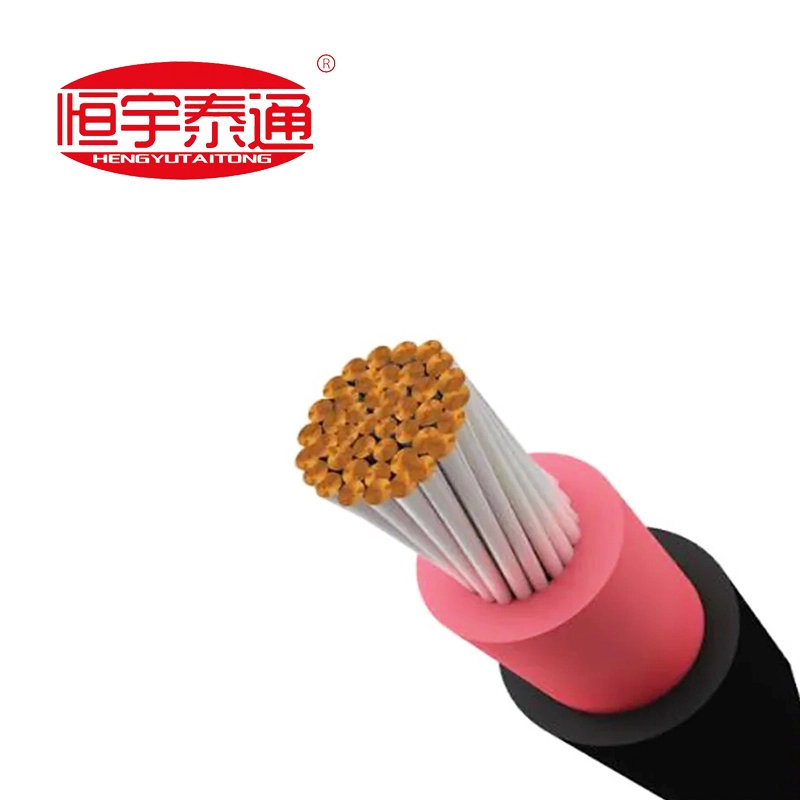
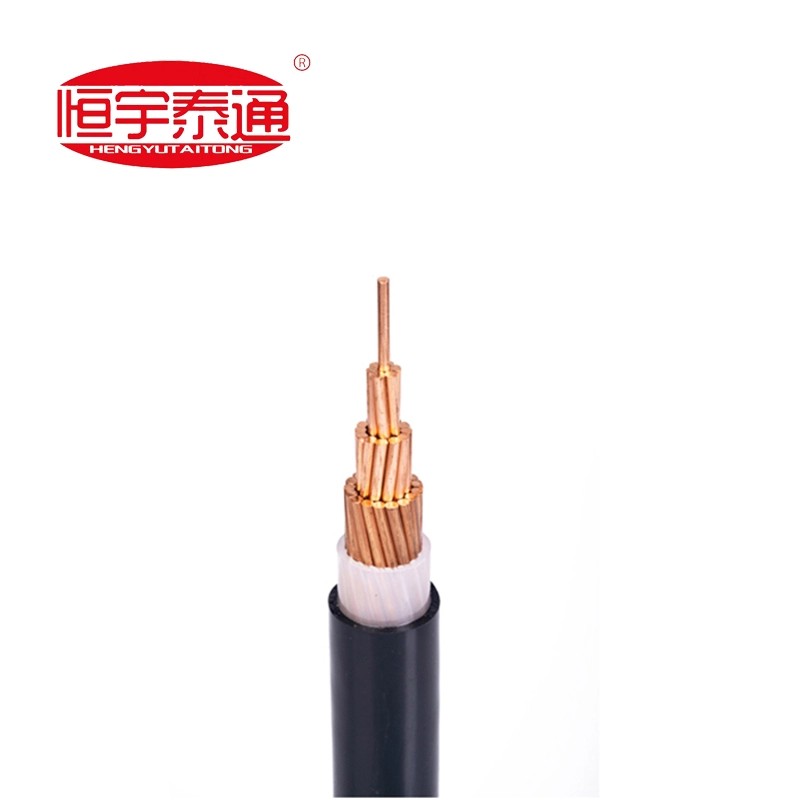
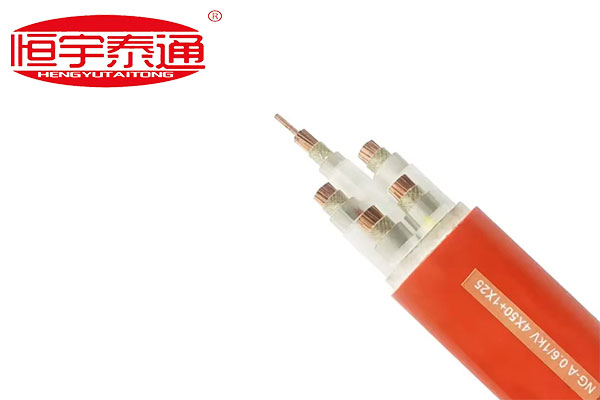
Fire resistant cables are specialized electrical cables engineered to maintain circuit integrity and continue operating under fire conditions. Unlike standard cables, which may fail when exposed to high temperatures, these cables utilize advanced materials and construction techniques to resist heat, flames, and smoke.
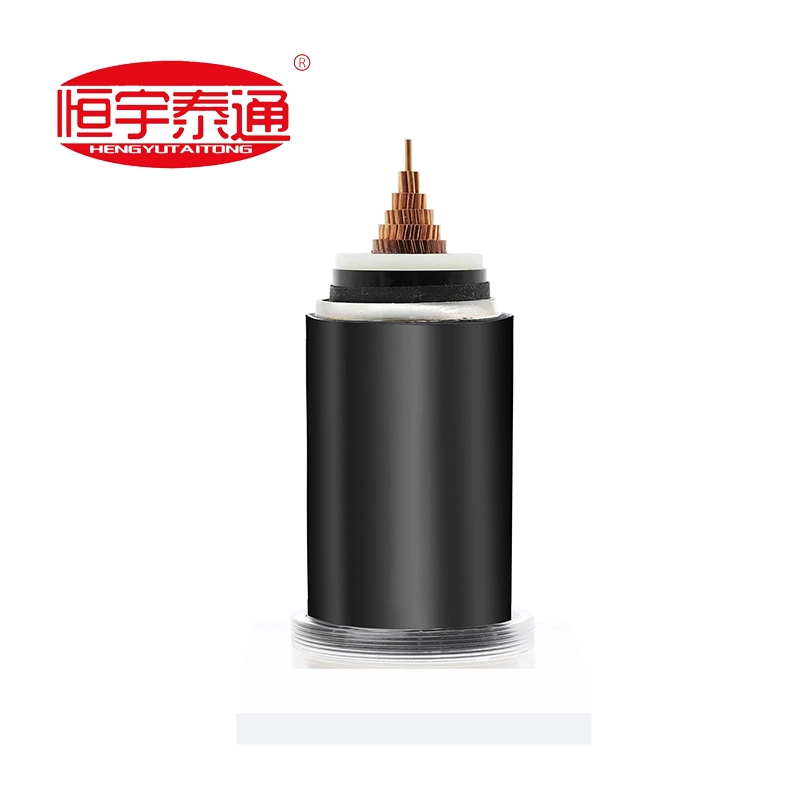
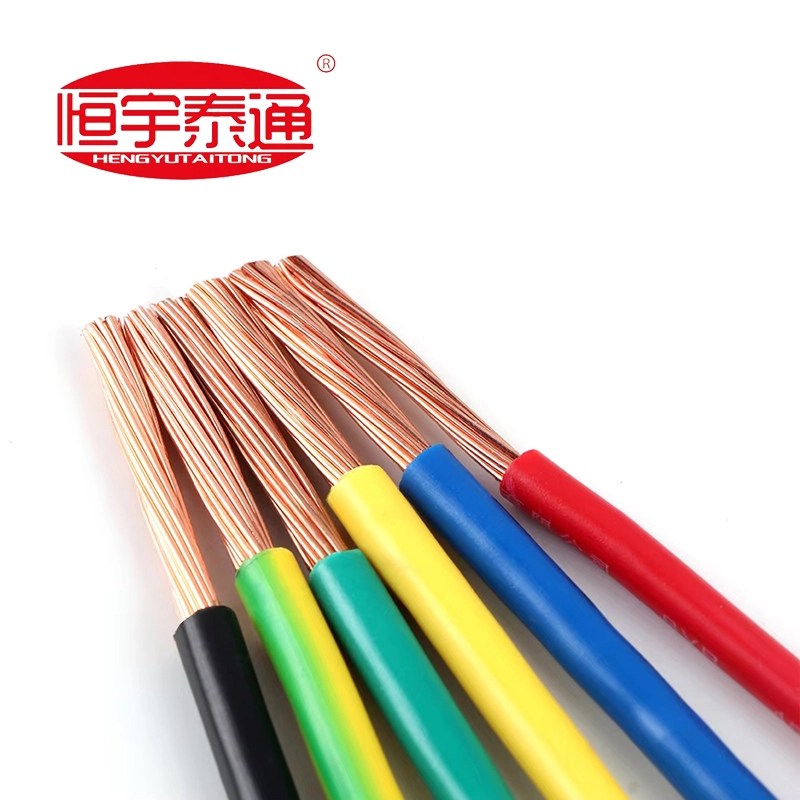
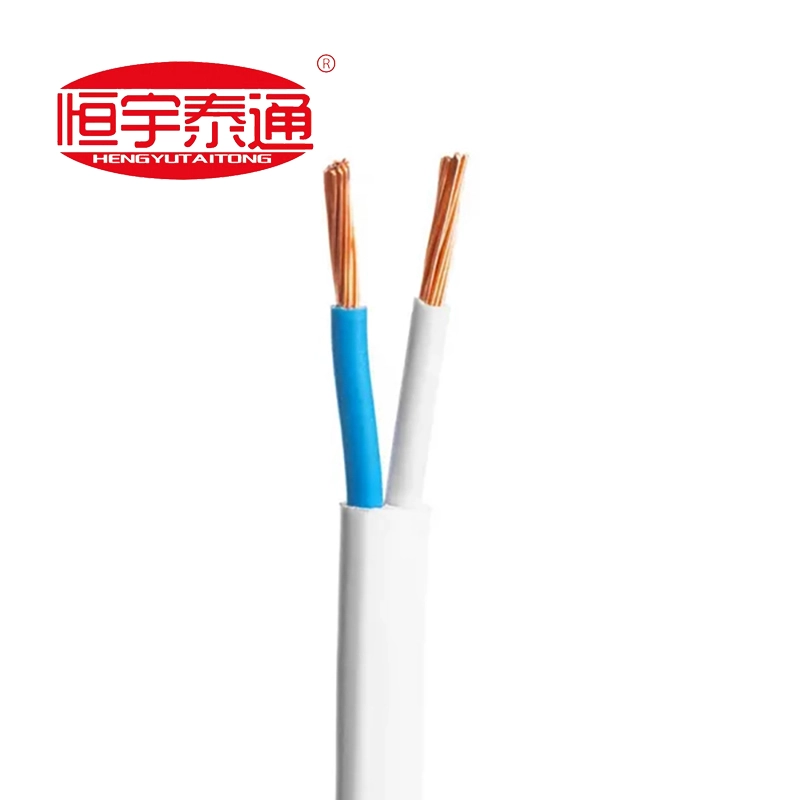
- Core Material: High-quality copper or aluminum conductors
- Insulation: Cross-linked polyethylene (XLPE), mica tape, or other fire-resistant materials
- Sheath: Halogen-free or low-smoke, flame-retardant outer layers
Taitong Wire & Cable Co., Ltd. specializes in manufacturing fire resistant cables that comply with international safety standards, ensuring reliability even in extreme environments.
How Fire Resistant Cables Work
Fire resistant cables are designed to preserve electrical functionality during fire incidents through several mechanisms:
- Heat-Resistant Insulation: Special insulation prevents conductor melting and maintains current flow under high temperatures.
- Fireproof Sheathing: Outer layers resist flame propagation and minimize toxic smoke emissions.
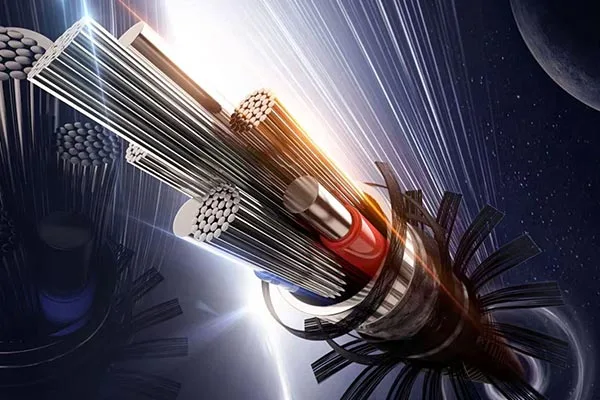
- Multi-Layer Protection: Many fire resistant cables incorporate mica tape or ceramic-based layers to shield conductors from extreme heat.
- Durability Under Mechanical Stress: Enhanced flexibility and tensile strength ensure the cable continues operating even if physically damaged by fire.
| Component | Function | Materials Used |
|---|---|---|
| Conductor | Transmit electricity efficiently | Copper, Aluminum |
| Insulation | Prevent short circuits and resist heat | XLPE, Mica tape |
| Sheath | Protects from fire and chemicals | Halogen-free, Flame-retardant polymer |
Why Fire Resistant Cables Are Essential
Implementing fire resistant cables is not just a regulatory requirement but a critical safety measure for protecting life, property, and operational continuity:
- Life Safety: Maintains power to emergency systems like alarms, lighting, and evacuation devices during fires.
- Property Protection: Reduces risk of secondary electrical fires, safeguarding equipment and infrastructure.
- Operational Continuity: Ensures critical systems, such as hospitals, data centers, and control rooms, remain functional.
By selecting high-quality fire resistant cables from Taitong Wire & Cable Co., Ltd., organizations can significantly enhance their fire resilience strategy.
Key Applications of Fire Resistant Cables
Fire resistant cables are used across multiple industries where safety and reliability are paramount:
- Healthcare Facilities: Power supply for operating rooms, emergency lighting, and life-support equipment
- Industrial Plants: Control systems, automation circuits, and critical machinery
- Commercial Buildings: Fire alarms, emergency exits, HVAC systems, and elevators
- Infrastructure: Airports, railways, tunnels, and data centers
Benefits Over Standard Cables
When compared to conventional electrical cables, fire resistant cables provide the following advantages:
- Enhanced Safety: Prevents catastrophic failure under fire conditions
- Compliance: Meets international fire safety standards and building codes
- Longevity: Durable materials extend service life in harsh environments
- Low Smoke & Toxicity: Reduces harmful emissions in fire situations
Choosing the Right Fire Resistant Cable
Selecting the proper fire resistant cable requires understanding application-specific requirements:
- Current Rating: Ensure the conductor can handle the expected load
- Temperature Resistance: Match cable specifications with maximum exposure conditions
- Environmental Factors: Consider humidity, chemical exposure, and mechanical stress
- Compliance Standards: Look for IEC, BS, or UL certifications
Taitong Wire & Cable Co., Ltd. offers expert guidance to help clients select fire resistant cables tailored to their specific operational needs.
Frequently Asked Questions (FAQ)
Q1: Can fire resistant cables completely prevent fires?
A1: No, these cables do not prevent fires but ensure that critical electrical circuits continue operating during a fire, improving safety and evacuation.
Q2: How long can fire resistant cables operate under fire conditions?
A2: Depending on construction and rating, they can maintain circuit integrity for 30 to 120 minutes in high-temperature environments.
Q3: Are fire resistant cables more expensive than standard cables?
A3: Yes, but the investment is justified by enhanced safety, reduced risk of damage, and compliance with safety regulations.
Q4: Can fire resistant cables be used outdoors?
A4: Yes, many types are designed for outdoor use, with UV-resistant and weatherproof sheathing.
For reliable fire resistant cable solutions tailored to your safety and operational needs, Taitong Wire & Cable Co., Ltd. provides top-quality products and professional guidance. Contact us today to secure your facility and ensure uninterrupted power even in critical fire scenarios.
Related News
Leave me a message