English
- English
- Español
- Português
- русский
- Français
- 日本語
- Deutsch
- tiếng Việt
- Italiano
- Nederlands
- ภาษาไทย
- Polski
- 한국어
- Svenska
- magyar
- Malay
- বাংলা ভাষার
- Dansk
- Suomi
- हिन्दी
- Pilipino
- Türkçe
- Gaeilge
- العربية
- Indonesia
- Norsk
- تمل
- český
- ελληνικά
- український
- Javanese
- فارسی
- தமிழ்
- తెలుగు
- नेपाली
- Burmese
- български
- ລາວ
- Latine
- Қазақша
- Euskal
- Azərbaycan
- Slovenský jazyk
- Македонски
- Lietuvos
- Eesti Keel
- Română
- Slovenski
- मराठी
- Srpski језик
Why MV Copper Power Cables Ensure Grid Reliability
Summary: As modern heavy industries and urban infrastructures expand, medium voltage networks demand unprecedented transmission stability. Medium voltage power cables rated from 6/10 kV to 26/35 kV serve as the vital arteries of high-load electrical distribution. This article analyzes the critical structural layers, engineering advantages, and strict testing standards of medium voltage copper cables, guiding infrastructure procurement managers toward long-term network security.
Table of Contents
1.Introduction
2.Structural Layers of 6/10 kV to 26/35 kV MV Cables
3.Why Copper Conductors Excel in Medium Voltage Systems
4.Eliminating Underground Risks: Shielding & Armor
5.Technical Compliance and Factory Customization
Introduction
Operating power grids within the 6 kV to 35 kV medium voltage range introduces significant electrical stress that standard low voltage lines cannot withstand. At these high potentials, any structural irregularity can lead to catastrophic partial discharges. To guarantee unbroken continuity for municipal substations and massive manufacturing zones, consulting engineers continuously specify heavy-duty copper-core medium voltage solutions.
As an internationally recognized manufacturer, Taitong Cable leverages advanced catenary vulcanization production lines to deliver 6/10 kV to 26/35 kV power cables that surpass global grid safety margins, providing high-efficiency distribution options for heavy industry tenders.
Structural Layers of 6/10 kV to 26/35 kV MV Cables
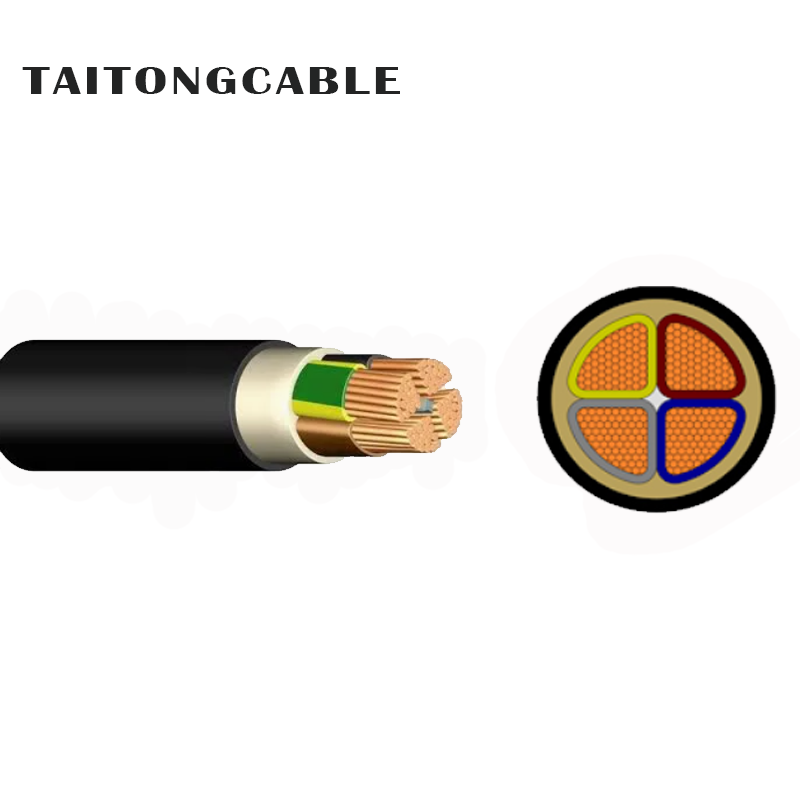
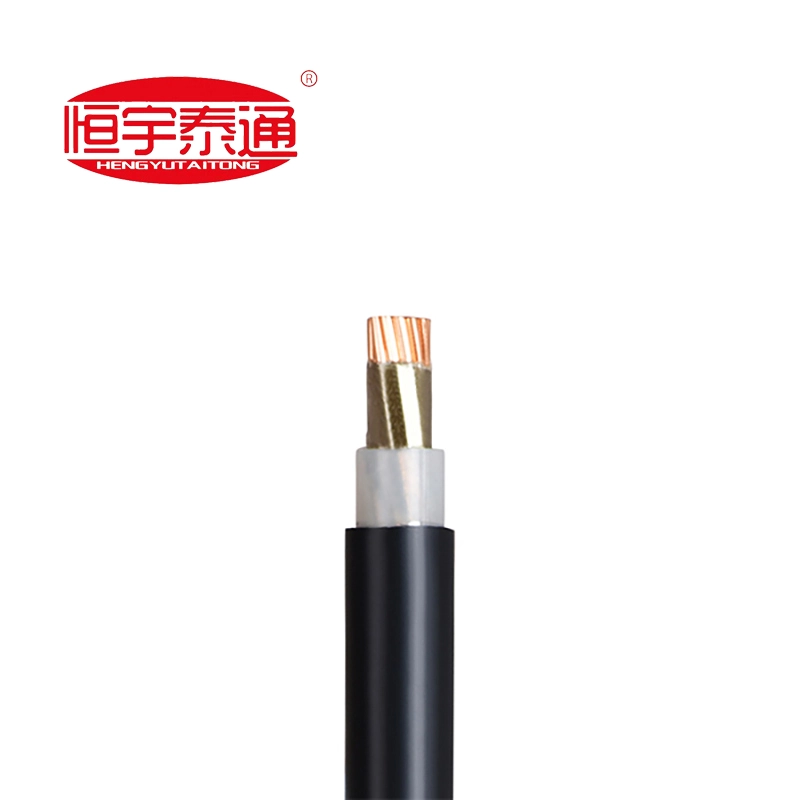
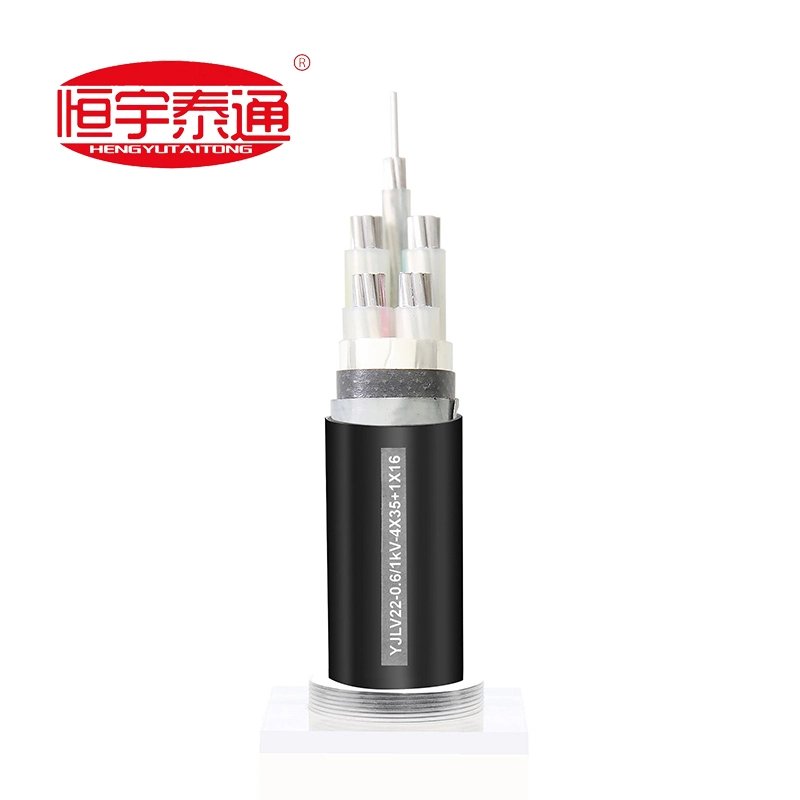
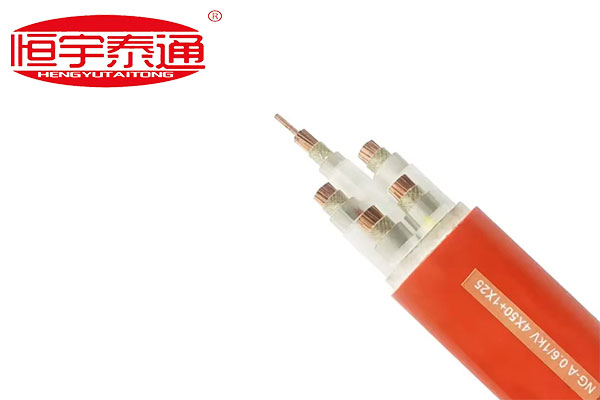
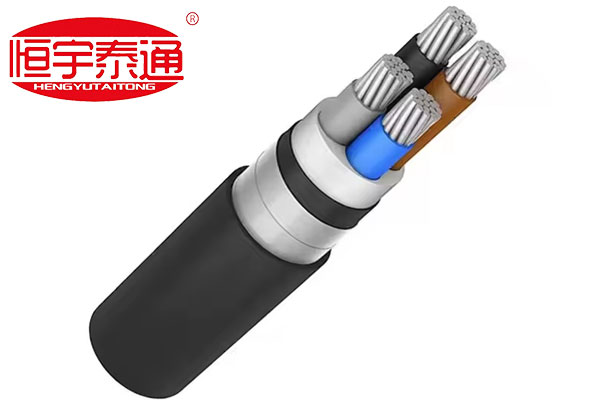
Unlike low-voltage wiring, medium voltage cables require a sophisticated triple-extrusion layer to uniformize the intense inner electrical field. The structural engineering involves several precision-manufactured zones:
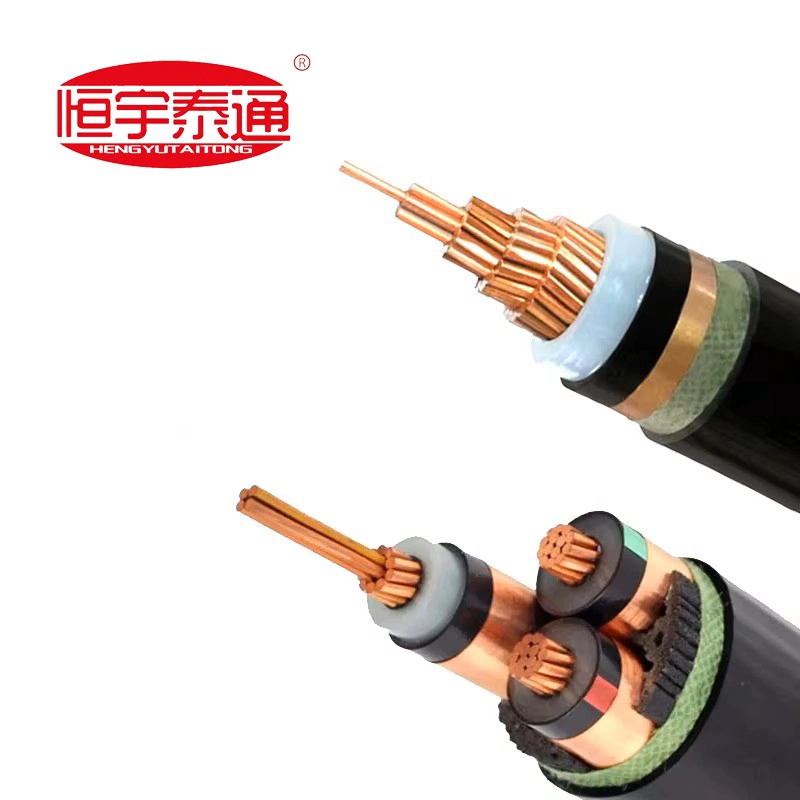
Conductor: High-purity, circular compacted stranded copper (Class 2) ensuring maximum conductivity and minimized diameter.
Inner Semiconductor Shield: A smooth semi-conducting layer extruded directly over the conductor to eliminate electrical stress concentrations.
XLPE Insulation: Extra-clean Cross-linked Polyethylene, treating high voltage stress up to 90°C continuous operation.
Outer Insulation Shield: A strippable or bonded semi-conducting layer that uniformizes the radial electrical fields.
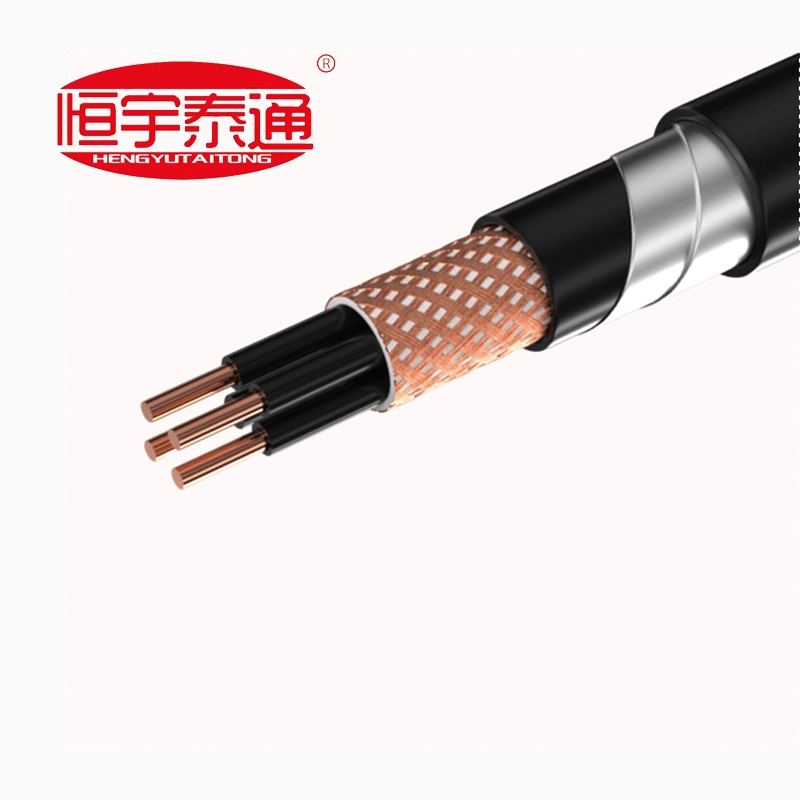
Metallic Shielding Layer: Helically wrapped high-conductivity copper tapes or copper wires designed to safely carry capacitive charging currents and fault currents to the ground.
Outer Protective Sheath: Tough, weather-resistant PVC or high-density PE jacket designed to isolate the metallic shielding from subsoil moisture.
Why Copper Conductors Excel in Medium Voltage Systems
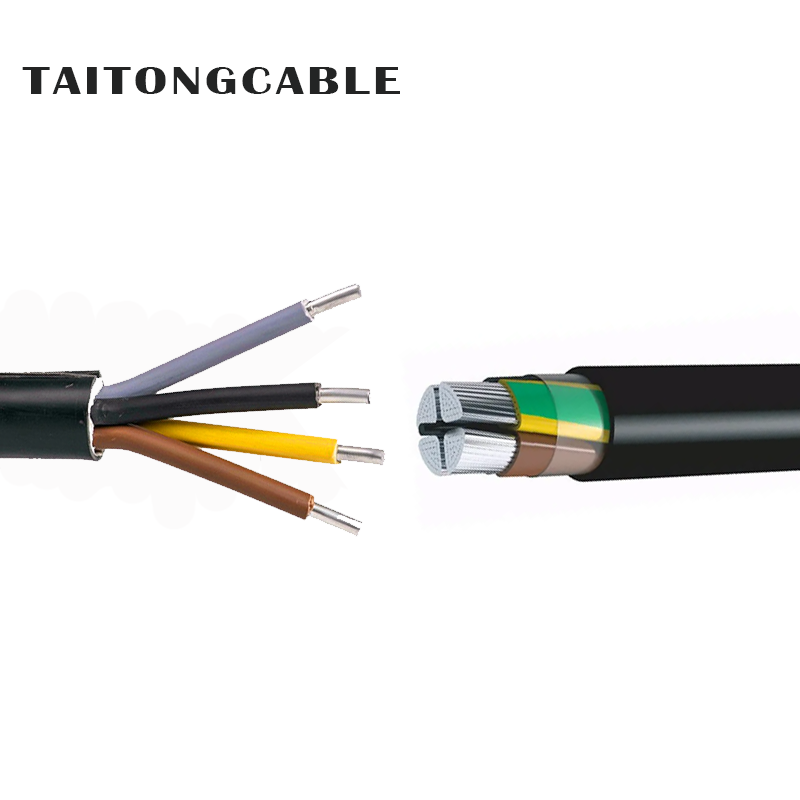
While aluminum dominates local low-voltage utility lines due to low initial costs, high-purity copper is the undisputed standard for critical 6 kV to 35 kV medium voltage distribution for several key reasons:
1.Superior Current Carrying Capacity: Copper offers significantly lower electrical resistance than aluminum, allowing single-core or three-core setups to transmit massive blocks of power through tighter underground duct banks.
2.Minimized Voltage Drop: Essential for longer industrial runs, copper cores dramatically decrease line transmission heating losses over extended regional spans.
3.High Mechanical Tensile Strength: Copper can withstand extreme pulling tensions during complex trench routing or deep directional drilling installations, eliminating core stretching risks.
Eliminating Underground Risks: Shielding & Armor
The most common threat to buried medium voltage circuits is water treeing—a phenomenon where micro-voids in cheap insulation combined with moisture slowly degrade the cable over time.
Taitong Cable eliminates this risk by utilizing ultra-clean compound materials and state-of-the-art triple-co-extrusion cross-linking tech. The overlapping copper tape shielding combined with optional steel wire armor (SWA) or double steel tape armor (DSTA) forms a dual barrier. This barrier completely repels subterranean rock pressure, moisture infiltration, and rodent degradation, extending the operational life expectancy beyond 30 years.
Technical Compliance and Factory Customization
Global infrastructure tenders leave zero room for compromises. Medium voltage systems require flawless design execution backed by rigid type-testing certifications.
| Technical Parameter | Range and Specifications | Field Performance Advantage |
| Rated Voltage (U0/U) | From 6/10 kV up to 26/35 kV | Covers all major international industrial and municipal grids |
| Max Conductor Temp | 90°C (Normal) / 250°C (Short circuit) | Excellent thermal overload handling during peak distribution |
| Core Configurations | Single-Core (1C) / Three-Core (3C) | Flexibly accommodates both high-amp utility ducts and heavy industrial machinery installations |
At Taitong Cable, we do not run a generic mass-stock clearinghouse. Operating on a 100% factory-direct customized production model, every batch of single-core and three-core medium voltage cables is engineered directly against your project's specific bills of quantities (BOQ), tracking system requirements, and localized environmental specifications.
Contact our medium-voltage technical unit today to access factory technical catalogs, cross-sectional design sheets, or to receive a fast, contract-ready cost estimation for your regional grid infrastructure tender!
Related News
- How Can Civil Installation Wires Improve Electrical Safety and Reliability in Modern Buildings
- Why Is Low voltage 2-5 core Copper conductor PVC insulated and sheathed power cables the Universal Gold-Standard Wiring Solution for All Global Construction and Industrial Power Projects in 2026
- How Do Heavy-duty Rubber Sheathed Flexible Cables Ensure Reliable Power Transmission in Harsh Environments?
- Why 4-Core Armored Aluminum Cables Power Grids
- Why 0.6/1kV Aluminum Armored Cables Power Grids
- Why Overhead Insulated Aluminum Cables Power Grids
Leave me a message