English
- English
- Español
- Português
- русский
- Français
- 日本語
- Deutsch
- tiếng Việt
- Italiano
- Nederlands
- ภาษาไทย
- Polski
- 한국어
- Svenska
- magyar
- Malay
- বাংলা ভাষার
- Dansk
- Suomi
- हिन्दी
- Pilipino
- Türkçe
- Gaeilge
- العربية
- Indonesia
- Norsk
- تمل
- český
- ελληνικά
- український
- Javanese
- فارسی
- தமிழ்
- తెలుగు
- नेपाली
- Burmese
- български
- ລາວ
- Latine
- Қазақша
- Euskal
- Azərbaycan
- Slovenský jazyk
- Македонски
- Lietuvos
- Eesti Keel
- Română
- Slovenski
- मराठी
- Srpski језик
Why Overhead Insulated Aluminum Cables Power Grids
Summary: Across expanding municipal grids, cross-country power distribution systems, and rural electrification initiatives, balancing project budgets with long-term infrastructure stability is vital. Overhead insulated aluminum cables (often referred to as Aerial Bundled Cables or ABC) serve as the primary distribution framework for modern outdoor utility lines. This technical insight breaks down the structural advantages, weatherproofing mechanisms, and economic benefits that make insulated aluminum conductors the top choice for global utility procurement.
Table of Contents
Structural Architecture of Overhead Insulated Aluminum Cables
Aluminum vs. Copper: Economic and Mechanical Advantages
Weatherproof XLPE Insulation: Defending Against Environmental Degradation
Primary Application Scenarios in Regional Power Grids
Factory-Direct Customization and Sourcing Security
Introduction
Long-distance overhead power networks face severe environmental strain. Bare overhead conductors, while traditional, are highly vulnerable to tree branch contacts, wildlife interference, ice accumulation, and wind-induced short circuits. Furthermore, using heavy copper conductors across extended rural miles significantly inflates transmission tower costs and project capital expenditures.
To solve these installation obstacles, Taitong Cable manufactures high-performance overhead insulated aluminum cables. Combining high-purity stranded aluminum conductors with robust weather-resistant polymers, our overhead lines ensure reliable, uninterrupted power delivery for power utilities and infrastructure developments worldwide.
Structural Architecture of Overhead Insulated Aluminum Cables
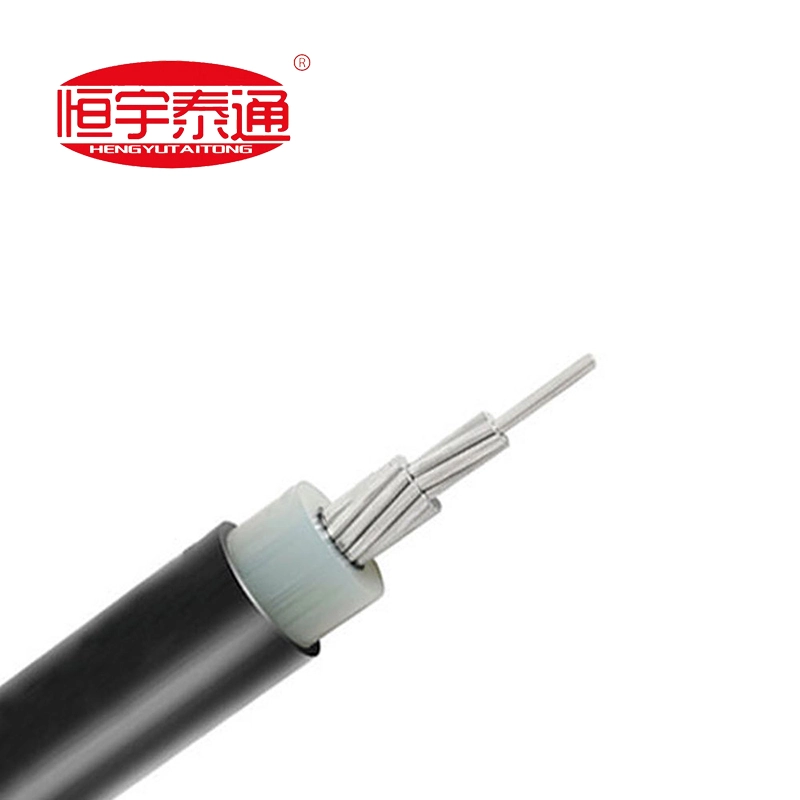
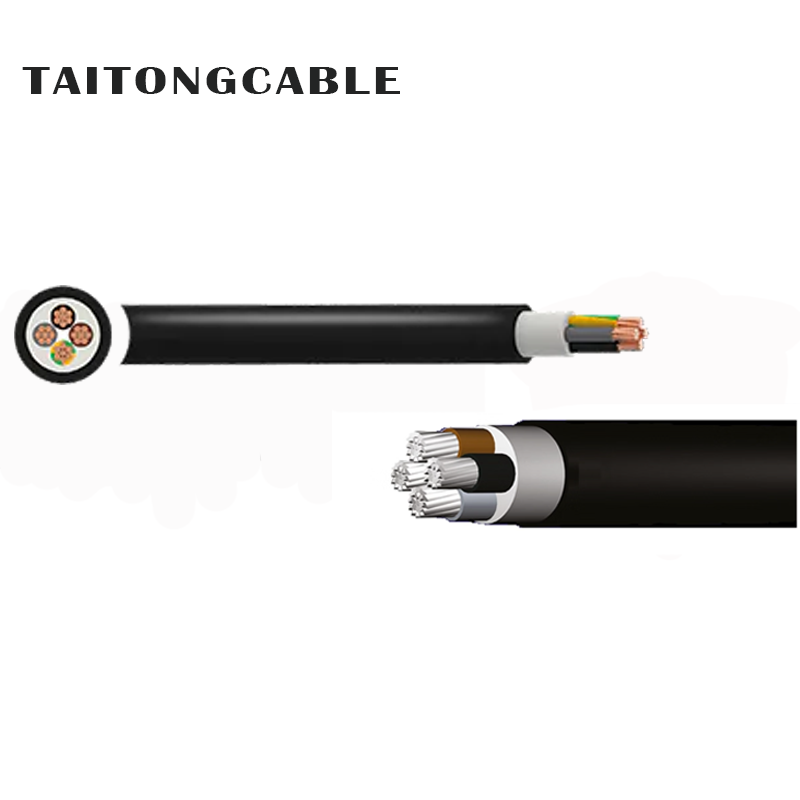
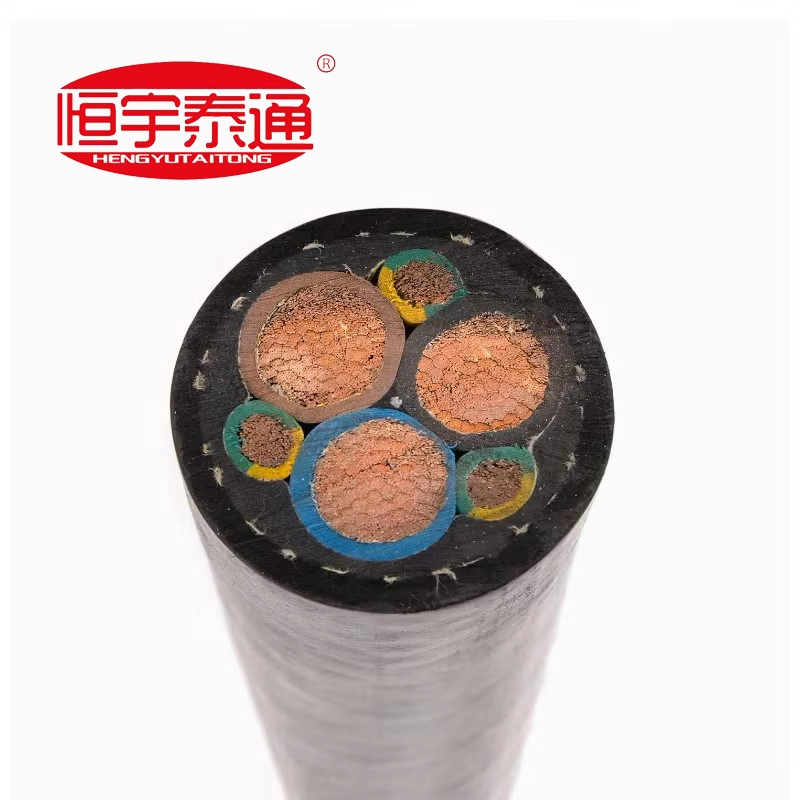
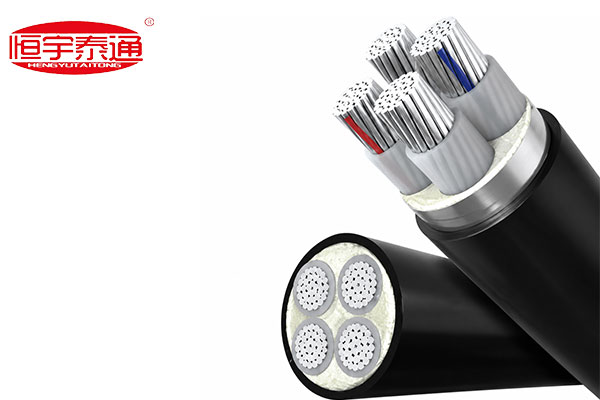
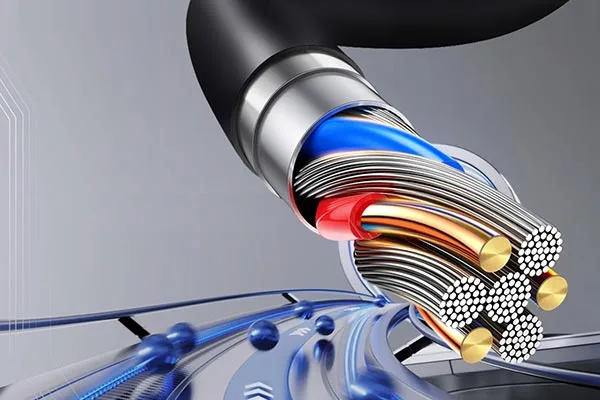
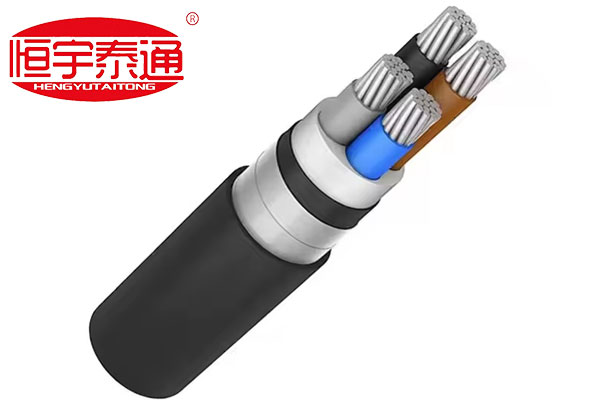
A close examination of standard insulated aluminum cables reveals a precision-engineered cross-section built for tensile resilience and outdoor endurance:
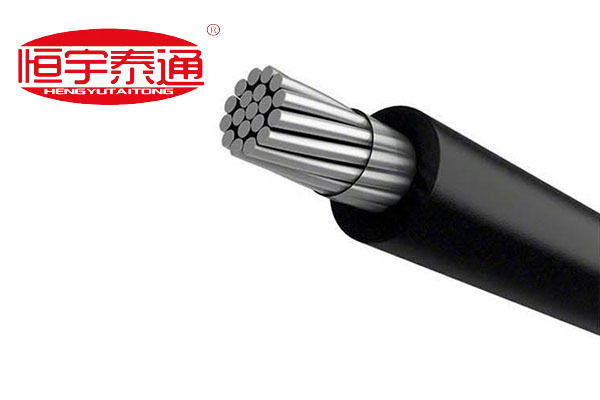
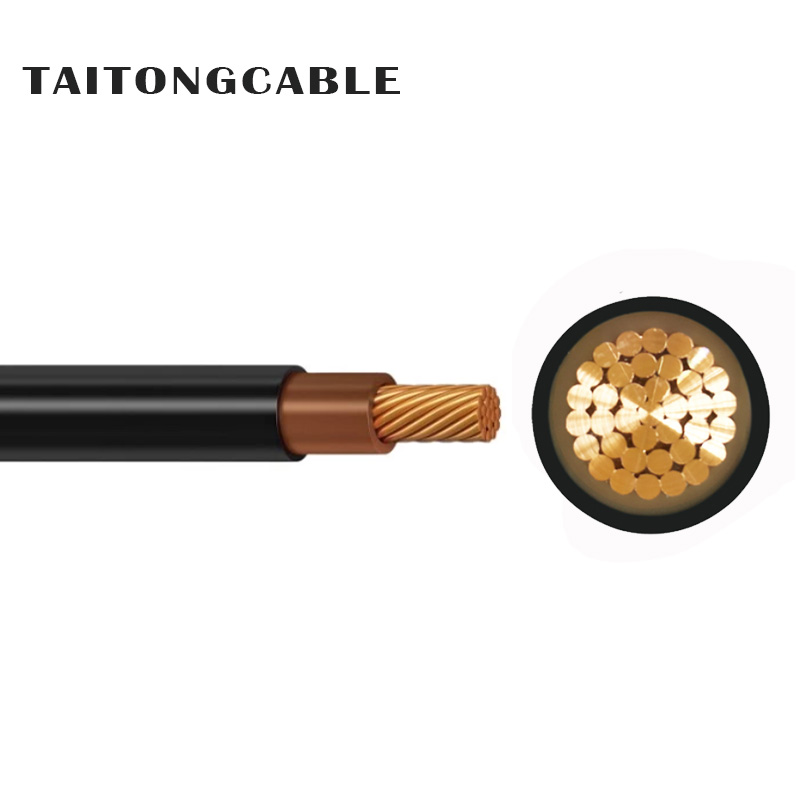
High-Conductivity Stranded Aluminum Conductor: Compacted stranded aluminum wires provide excellent electrical conductivity while keeping the overall line weight significantly lower than solid copper alternatives.
Semiconducting Conductor Shield (For MV Lines): Smooths out electrical stress points between the stranded conductor surface and the overlying insulation layer.
Weather-Resistant XLPE / HDPE Insulation: A dense black Cross-linked Polyethylene (XLPE) or High-Density Polyethylene (HDPE) compound specially formulated with carbon black to block ultraviolet (UV) degradation, moisture absorption, and thermal cracking.
Aluminum vs. Copper: Economic and Mechanical Advantages
Why are municipal power authorities and EPC contractors increasingly specifying insulated aluminum conductors for overhead distribution tenders?
1.Unbeatable Cost-Efficiency: Aluminum offers exceptional conductivity-to-weight performance at a fraction of the raw material cost of copper. This allows utility authorities to stretch project budgets across hundreds of extra miles of grid coverage.
2.Reduced Mechanical Load on Poles and Towers: Being roughly one-third the weight of copper, aluminum cables drastically reduce physical tension on support poles, cross-arms, and suspension clamps. This lowers structural installation costs and prevents line sag across long spans.
3.Enhanced Grid Safety and Anti-Tapping: Encasing the aluminum core in heavy insulation prevents accidental short circuits caused by swaying tree limbs during storms and deters unauthorized electricity tapping in residential distribution zones.
Weatherproof XLPE Insulation: Defending Against Environmental Degradation
Outdoor overhead cables are continuously exposed to intense solar radiation, heavy rains, salt spray, and extreme temperature fluctuations.
The specialized XLPE insulation compound utilized by Taitong Cable delivers critical defensive properties:
High Thermal Endurance: Operates continuously at conductor temperatures up to 90°C and withstands short-circuit emergency conditions up to 250°C without melting or dripping.
UV and Ozone Resistance: Carbon-black enriched outer coverings stop UV rays from breaking down the polymer chain, ensuring a service life exceeding 30 years in tropical or desert environments.
Primary Application Scenarios in Regional Power Grids
Thanks to their balance of strength and affordability, Taitong Cable's insulated aluminum lines are widely featured across major tender specifications:
Rural and Suburban Grid Extensions: Supplying cost-effective main feeder lines across spread-out communities where line distance is the primary cost factor.
Urban Overhead Line Modernization: Replacing dangerous bare conductors in crowded municipal streets to reduce power outages and prevent accidental electrical shocks.
Forest and Coastal Transmission Zones: Running safe distribution loops through dense vegetation corridors and high-humidity coastal regions without risk of saltwater corrosion or foliage shorts.
Factory-Direct Customization and Sourcing Security
Utility tenders leave zero room for conductor defects, impedance variances, or insulation voids. International procurement contracts demand strict compliance with recognized parameters such as IEC 60502, IEC 61089, and BS 7870.
| Technical Feature | Specification Detail | Field Engineering Advantage |
| Conductor Material | Stranded Aluminum (Class 2 / Compacted) | Lightweight, low-sag, high-conductivity power transfer |
| Insulation Material | UV-Stabilized XLPE / HDPE | Resists direct sunlight, ozone aging, and severe weather |
| Voltage Ratings | Low Voltage (0.6/1kV) to Medium Voltage (10kV–35kV) | Tailored for secondary street drops or primary feeder lines |
At Taitong Cable, we support your project execution through a 100% factory-direct customized production model. We do not push pre-made, aging warehouse clearance items. Instead, we custom-manufacture every batch of overhead insulated aluminum cables to align directly with your project's precise bill of quantities (BOQ)—calibrating conductor stranding, cross-sectional areas (16 mm2 up to 630 mm2),, core counts, and insulation thickness to match your local national grid standards.
Contact our overhead power transmission team today to request verified type-test reports, custom dimensional drawings, or an express, factory-direct price estimate for your upcoming utility tender!
Related News
- How Can Civil Installation Wires Improve Electrical Safety and Reliability in Modern Buildings
- Why Is Low voltage 2-5 core Copper conductor PVC insulated and sheathed power cables the Universal Gold-Standard Wiring Solution for All Global Construction and Industrial Power Projects in 2026
- How Do Heavy-duty Rubber Sheathed Flexible Cables Ensure Reliable Power Transmission in Harsh Environments?
- Why 4-Core Armored Aluminum Cables Power Grids
- Why 0.6/1kV Aluminum Armored Cables Power Grids
- Why Flexible Mineral Insulated Cables Secure Grids
Leave me a message