English
- English
- Español
- Português
- русский
- Français
- 日本語
- Deutsch
- tiếng Việt
- Italiano
- Nederlands
- ภาษาไทย
- Polski
- 한국어
- Svenska
- magyar
- Malay
- বাংলা ভাষার
- Dansk
- Suomi
- हिन्दी
- Pilipino
- Türkçe
- Gaeilge
- العربية
- Indonesia
- Norsk
- تمل
- český
- ελληνικά
- український
- Javanese
- فارسی
- தமிழ்
- తెలుగు
- नेपाली
- Burmese
- български
- ລາວ
- Latine
- Қазақша
- Euskal
- Azərbaycan
- Slovenský jazyk
- Македонски
- Lietuvos
- Eesti Keel
- Română
- Slovenski
- मराठी
- Srpski језик
Why 0.6/1kV Aluminum Armored Cables Power Grids
Summary: In industrial park developments, renewable energy collection networks, and commercial distribution loops, balancing installation budgets with severe underground protection is essential. Armored aluminum power cables serve as the backbone for direct-burial low-voltage power networks. This article breaks down the internal layered engineering, double steel tape protection mechanisms, and cost benefits that make multi-core aluminum armored lines the premier specification for international project procurement.
Table of Contents
Structural Architecture of 0.6/1kV Multi-Core Armored Aluminum Cables
Double Steel Tape Armor: Securing Direct-Burial Utility Runs
Aluminum Conductors: Maximizing ROI on Large-Scale Infrastructure
Primary Application Scenarios in Global Power Projects
Factory-Direct Customization and Sourcing Security
Introduction
Underground electrical feeder networks are exposed to constant mechanical hazards. Direct-burial trenches experience crushing soil compaction, accidental physical strikes during excavation, and underground rodent intrusion. Furthermore, in long-distance secondary distribution networks, using traditional heavy copper cables significantly increases raw material costs and transport overhead.
To resolve these technical and budgetary challenges, Taitong Cable manufactures high-performance 0.6/1kV multi-core armored aluminum power cables. Combining high-conductivity stranded aluminum conductors with heavy-duty metallic armor, our cables deliver uncompromised mechanical security and long-term operating efficiency to global utility contractors.
Structural Architecture of 0.6/1kV Multi-Core Armored Aluminum Cables
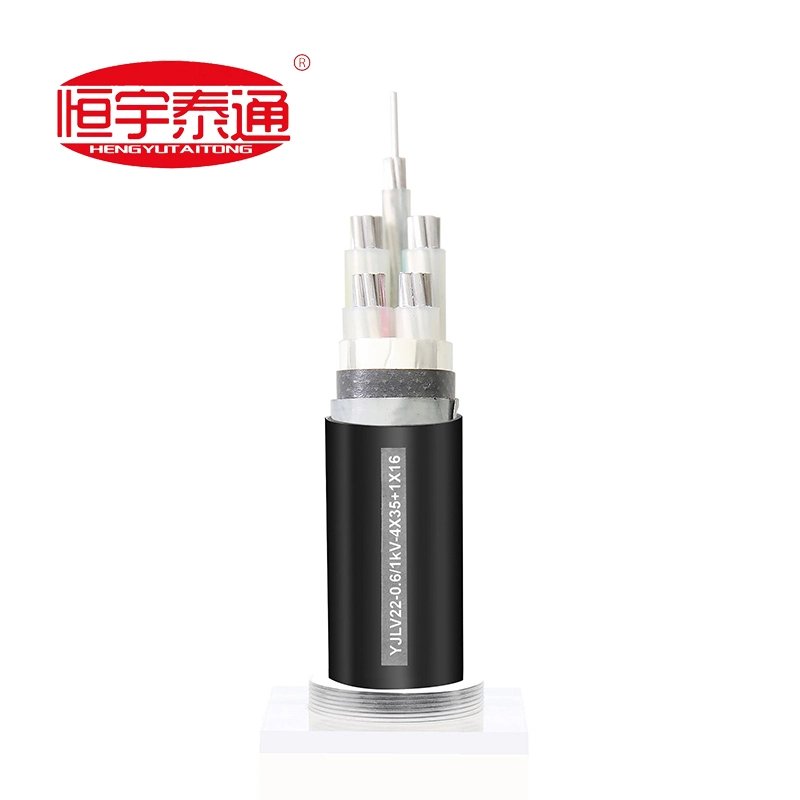
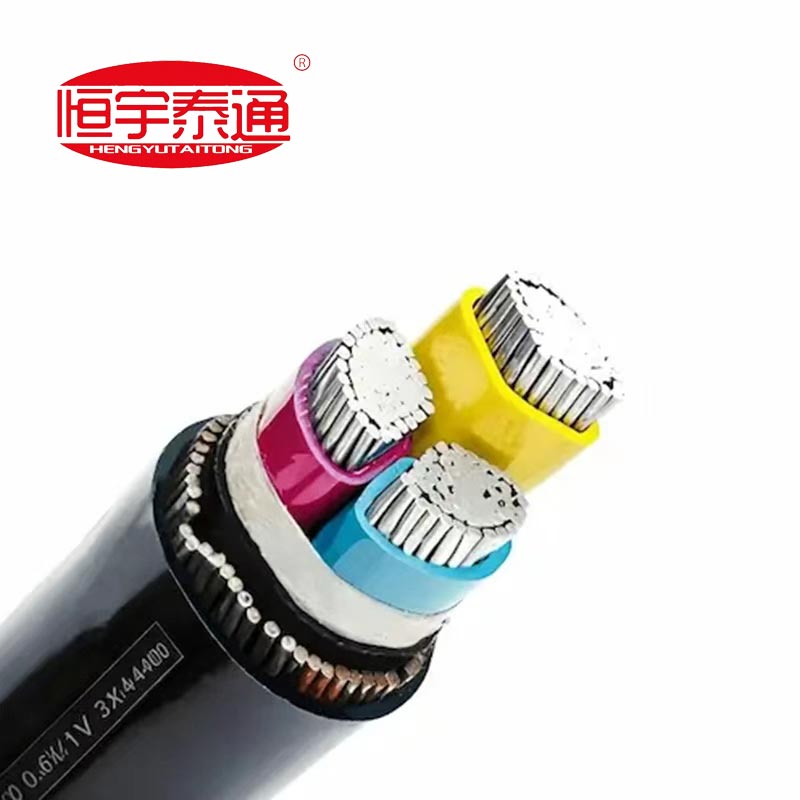
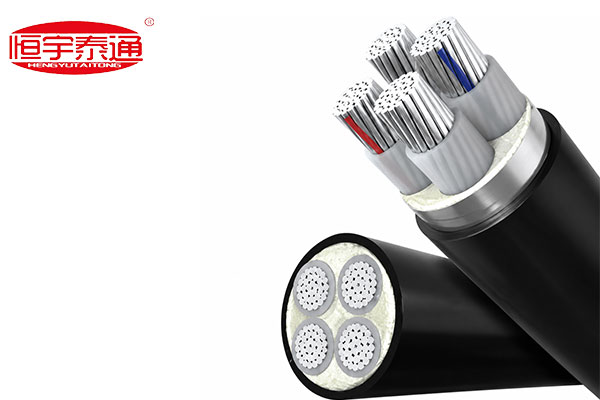
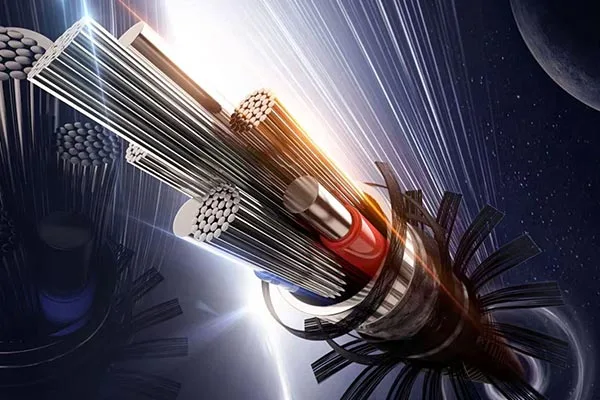
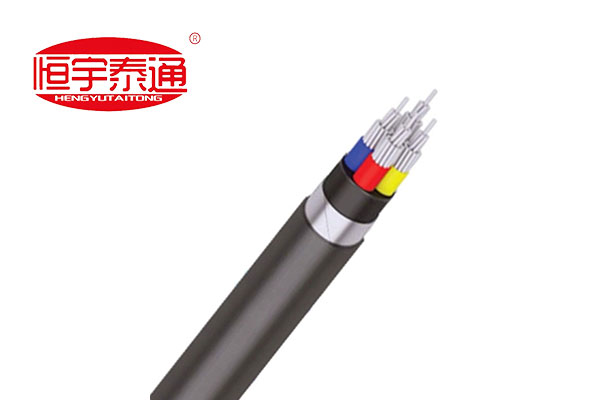
The multi-layered cross-section of a steel-tape armored aluminum power cable provides complete mechanical and electrical protection:
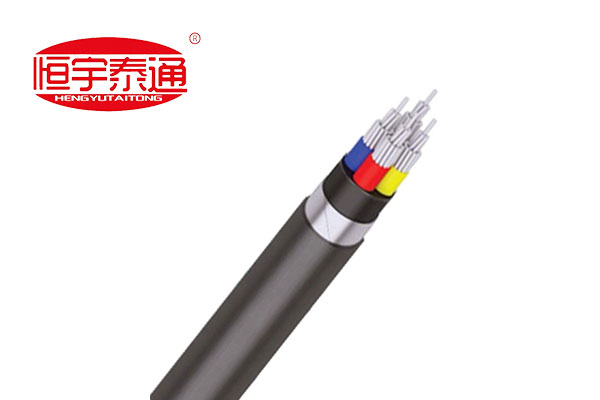
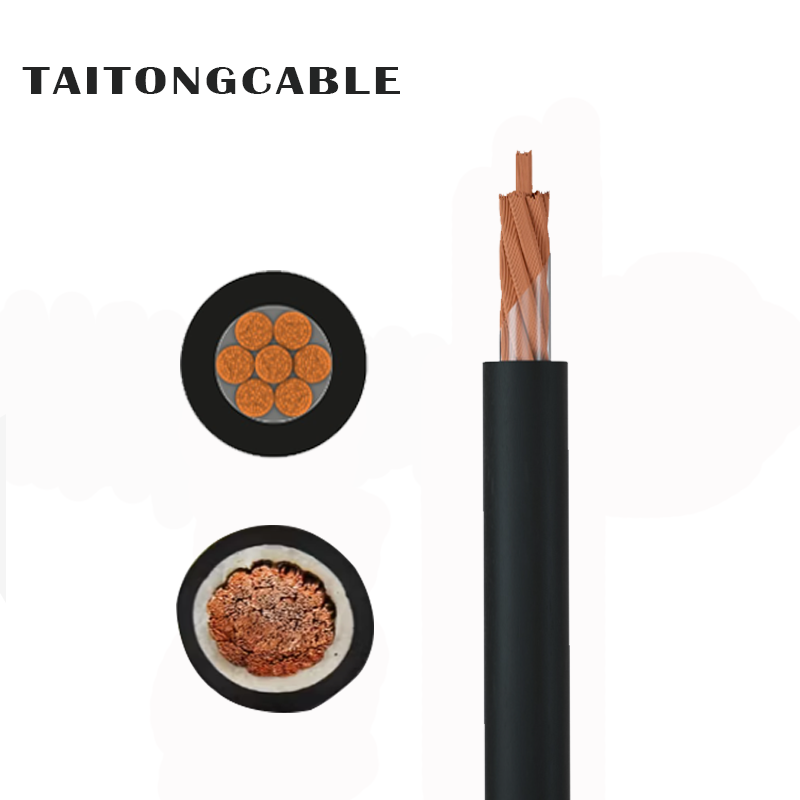
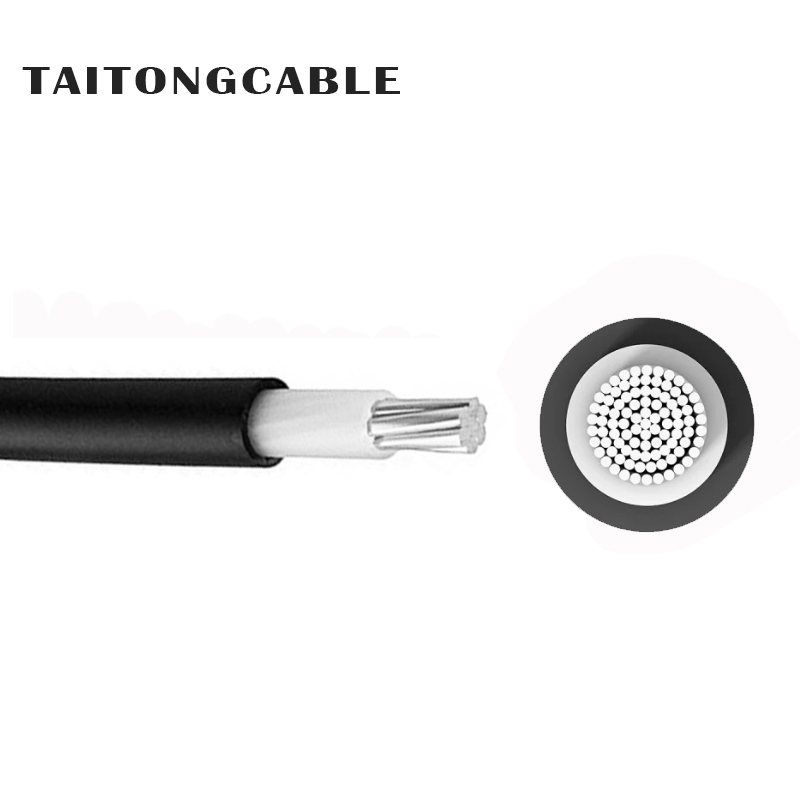
Stranded Aluminum Conductors (Class 2): Formed from high-purity electrical aluminum wires stranded tightly to guarantee stable current capacity, low weight, and high terminal connection reliability.
Color-Coded Phase Insulation: Premium XLPE or PVC insulation wrapped around each core in standardized colors (Red, Yellow, Blue, etc.) to ensure error-free phase identification during site installation.
Extruded Inner Bedding / Cushion Sheath: Formed over the inner core assembly to protect phase insulations from sharp metallic edges during the armoring process.
Double Steel Tape Armor (DSTA): Overlapping helical steel bands wrapped around the core matrix to absorb high radial crush pressures and prevent physical tools or rocks from puncturing the cable.
Heavy-Duty Protective Outer Sheath: An oil-resistant, UV-stabilized PVC or PE jacket that prevents moisture ingress, soil acid corrosion, and environmental degradation.
Double Steel Tape Armor: Securing Direct-Burial Utility Runs
Why do infrastructure consultants specify steel tape armored (DSTA) cables like the YJLV22/VLV22 series for low-voltage secondary mains?
1.Eliminating Expensive External Conduits: Unarmored cables require heavy PVC or concrete ducting when buried underground. Steel tape armored designs can be laid directly into underground trenches, drastically reducing civil excavation and piping costs.
2.Extreme Crush and Impact Defense: Heavy subsoil pressure, rock settling, or vehicles passing overhead can deform soft plastic cabling. Double steel tape wraps absorb physical impact, maintaining structural core integrity and preventing phase-to-phase short circuits.
3.Subterranean Pest Protection: Termites, gophers, and rodents regularly chew through standard polymer coatings. The impenetrable metallic steel barrier prevents biological damage, extending the underground network lifespan beyond 30 years.
Aluminum Conductors: Maximizing ROI on Large-Scale Infrastructure
Raw material budgets dictate project feasibility. Utilizing stranded aluminum conductors in place of copper yields decisive economic advantages:
Substantial Cost Savings: Aluminum delivers exceptional conductivity per dollar, allowing EPC contractors to cut cable material expenditure significantly across extensive distribution miles.
Lighter Handling Weight: The reduced weight of aluminum simplifies cable tray pulling, reduces installation labor hours, and lowers shipping container freight costs for overseas delivery.
Primary Application Scenarios in Global Power Projects
Thanks to their balance of strength, protection, and affordability, Taitong Cable's armored aluminum series are widely deployed in major international project tenders:
Solar and Wind Power Farms: Transporting low-voltage output from inverter stations to step-up transformer units across vast outdoor terrains.
Industrial Complexes and Chemical Plants: Routing secondary power along outdoor cable trenches and underground ducts exposed to heavy machinery loads.
Commercial and Residential Sub-mains: Connecting main transformer substations to individual building distribution boards in expanding suburban developments.
Factory-Direct Customization and Sourcing Security
International infrastructure procurement permits zero tolerance for insulation voids or armor gaps. Every production lot must comply with authoritative international standards, including IEC 60502-1 and BS 5467.
| Technical Metric | Specification Detail | Structural Project Benefit |
| Rated Voltage (U_0/U) | 0.6/1 kV Industrial Grid Standard | Optimized for low-voltage secondary power distribution loops |
| Conductor Type | Compacted Stranded Aluminum | Lightweight, cost-effective power transfer with low voltage drop |
| Mechanical Armor | Double Steel Tape Armor (DSTA) | High crush resistance for direct-burial trench installations |
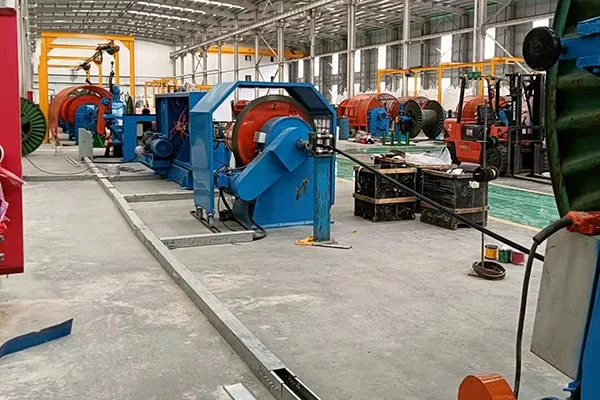
At Taitong Cable, we support your project execution through a 100% factory-direct customized production model. We do not push pre-made, aging warehouse clearance items. Instead, we custom-manufacture every batch of armored aluminum power cables to align directly with your project's precise bill of quantities (BOQ)—calibrating conductor cross-sections (16mm2 up to 500mm2), multi-core combinations (3-core, 4-core, 3+1, 4+1, 3+2), armor thickness, and specialized outer jacket compounds to match your local national grid requirements.
Contact our power distribution engineering division today to claim authorized type-test certificates, custom dimensional blueprints, or to receive an express, factory-direct cost estimation for your upcoming grid tender!
Related News
- How Can Civil Installation Wires Improve Electrical Safety and Reliability in Modern Buildings
- Why Is Low voltage 2-5 core Copper conductor PVC insulated and sheathed power cables the Universal Gold-Standard Wiring Solution for All Global Construction and Industrial Power Projects in 2026
- How Do Heavy-duty Rubber Sheathed Flexible Cables Ensure Reliable Power Transmission in Harsh Environments?
- Why 4-Core Armored Aluminum Cables Power Grids
- Why Overhead Insulated Aluminum Cables Power Grids
- Why Flexible Mineral Insulated Cables Secure Grids
Leave me a message