English
- English
- Español
- Português
- русский
- Français
- 日本語
- Deutsch
- tiếng Việt
- Italiano
- Nederlands
- ภาษาไทย
- Polski
- 한국어
- Svenska
- magyar
- Malay
- বাংলা ভাষার
- Dansk
- Suomi
- हिन्दी
- Pilipino
- Türkçe
- Gaeilge
- العربية
- Indonesia
- Norsk
- تمل
- český
- ελληνικά
- український
- Javanese
- فارسی
- தமிழ்
- తెలుగు
- नेपाली
- Burmese
- български
- ລາວ
- Latine
- Қазақша
- Euskal
- Azərbaycan
- Slovenský jazyk
- Македонски
- Lietuvos
- Eesti Keel
- Română
- Slovenski
- मराठी
- Srpski језик
How Can Civil Installation Wires Improve Electrical Safety and Reliability in Modern Buildings
Taitong supplies Civil Installation Wires for residential, commercial, and public building electrical systems, offering wiring solutions designed around different installation requirements. Choosing the right conductors, insulation materials, and cable structures helps electrical contractors and project buyers build dependable power distribution systems while supporting safe installation, long-term performance, and compliance with applicable electrical standards.
Civil installation wires are essential components of building electrical systems, carrying electrical power to lighting circuits, sockets, appliances, and distribution equipment. Their suitability depends on conductor material, cross-sectional area, insulation performance, rated voltage, installation method, and operating environment. Common options include fixed-installation building wires, flexible electrical wires, and shielded flexible cables for specialized connections. This guide explains the differences between these wire types, their applications, key selection criteria, installation considerations, and quality checks. It also outlines how buyers can evaluate a cable supplier such as Taitong to identify suitable wiring solutions for residential construction, commercial buildings, and other civil engineering projects.
Table of Contents
- What Are Civil Installation Wires?
- What Are the Main Types of Civil Installation Wires?
- Where Are Civil Installation Wires Used?
- What Makes Quality Building Wires Important?
- How Do Different Wire Types Compare?
- How Do You Select the Right Wire Specifications?
- What Installation and Safety Practices Matter?
- How Can Buyers Evaluate Wire Quality?
- Frequently Asked Questions
- Conclusion
1. What Are Civil Installation Wires?
Civil installation wires are electrical conductors designed for wiring and power connections in residential buildings, commercial properties, public facilities, and related construction projects. Depending on their design, they can support permanent building circuits or provide flexible connections between electrical equipment and power sources.
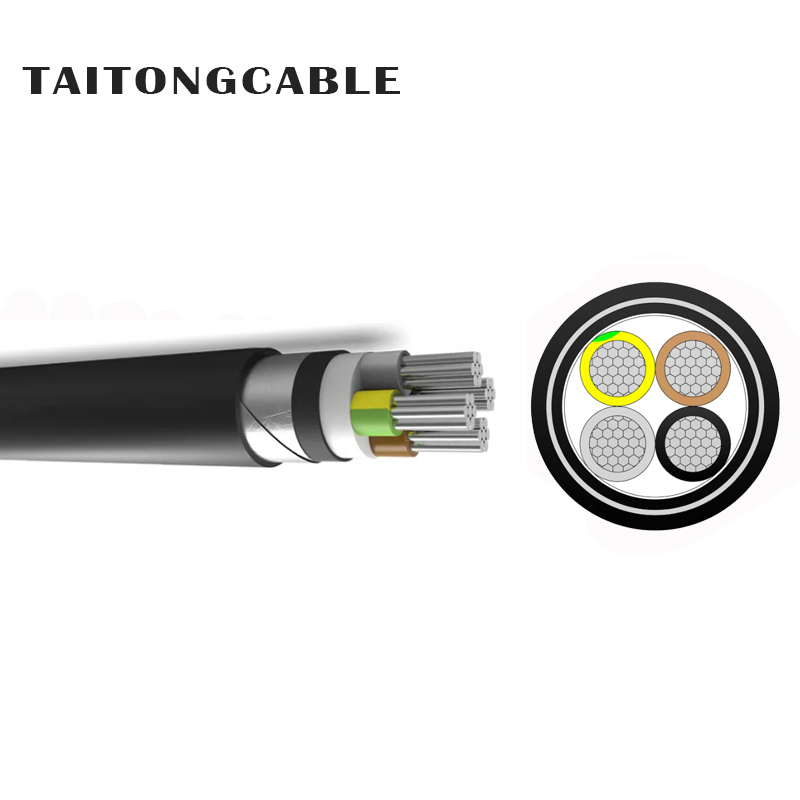
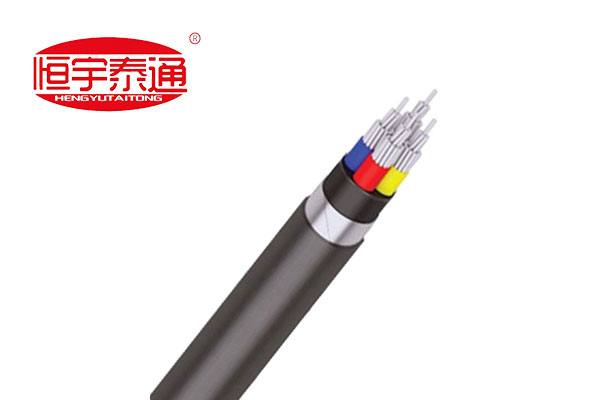
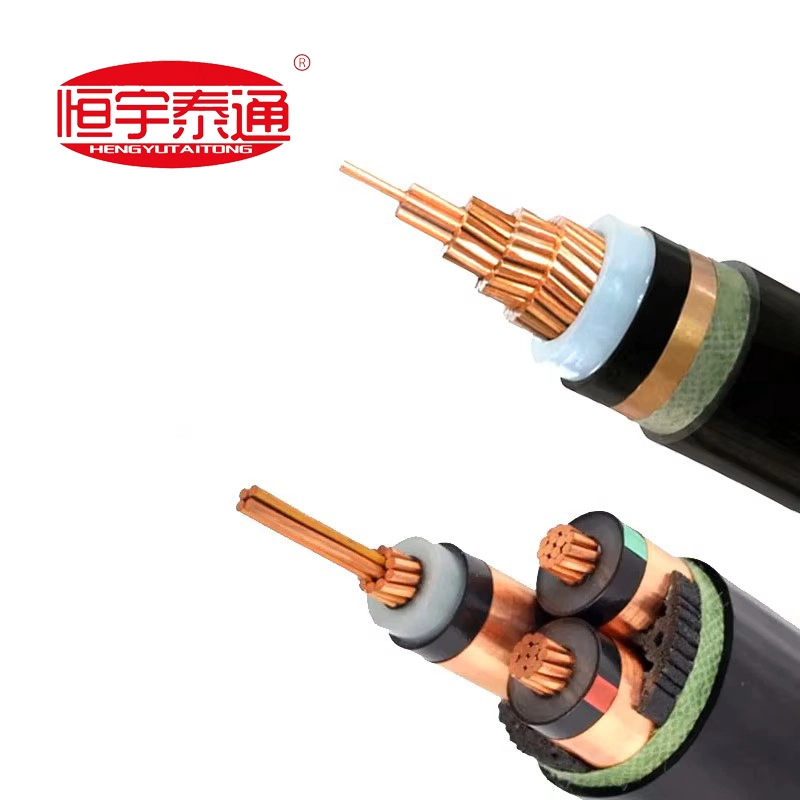
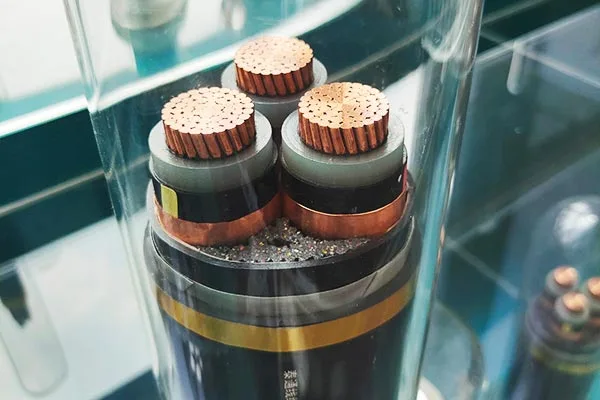
A typical insulated wire consists of a conductive core surrounded by an insulating layer. Some cable designs also include an outer sheath, shielding, or additional protective layers to meet specific mechanical, environmental, or electrical requirements.
Copper is commonly used because of its electrical conductivity and established use in building wiring. Insulation materials such as polyvinyl chloride (PVC) and cross-linked polyethylene (XLPE) are selected according to the intended application and required performance. Low-smoke, halogen-free materials may also be considered where reduced smoke and corrosive gas emissions are important design objectives.
Taitong's civil wiring product range includes household electrical installation wiring cables and flexible cable options. The correct selection depends on whether a project requires permanent fixed wiring, flexible equipment connections, or shielding against electromagnetic interference.
For product-specific information, buyers can review Taitong's Civil Installation Wires page.
2. What Are the Main Types of Civil Installation Wires?
Different building applications require different conductor structures and insulation properties. Understanding the major categories helps contractors avoid choosing a wire based only on appearance or price.
Fixed-Installation Building Wires
Fixed-installation wires are intended for permanent electrical circuits in buildings. Depending on the design, they may use solid conductors or stranded conductors and are commonly installed in approved conduits, trunking, or other permitted wiring systems.
These wires can serve lighting circuits, socket circuits, and connections to distribution boards. Their conductor size, insulation type, voltage rating, and installation conditions must match the electrical design and applicable regulations.
Flexible Electrical Wires and Cables
Flexible wires typically use multiple fine conductor strands to make bending and routing easier. They are useful for equipment connections, appliance wiring, and other applications where flexibility is required.
However, flexibility alone does not make a cable suitable for every installation. The cable must be rated for its intended movement, current, temperature, and installation environment.
Shielded Flexible Cables
Shielded flexible cables incorporate a conductive shielding layer, often made from foil or braided metal, to help reduce electromagnetic interference. They can be useful in selected control circuits, monitoring systems, audio and video equipment, and other applications involving sensitive signals.
Shielding does not replace proper cable selection, grounding, or installation practices. The appropriate shielding arrangement depends on the electrical system and the manufacturer's instructions.
Special-Performance Building Wires
Some projects require additional characteristics, including flame-retardant performance, fire resistance, low smoke emission, or enhanced heat resistance. These properties serve different purposes and should not be treated as interchangeable.
- Flame-retardant wires: Designed to limit flame propagation under specified test conditions.
- Fire-resistant cables: Designed to maintain circuit integrity for a specified period under defined fire-test conditions when the product is certified for that purpose.
- Low-smoke, halogen-free wires: Designed to reduce smoke generation and halogen-containing gas emissions under specified test conditions.
- Heat-resistant wires: Designed for applications requiring a specified operating temperature capability.
Always verify the exact product classification and supporting test documentation before specifying a special-performance wire.
3. Where Are Civil Installation Wires Used?
Civil installation wires support a wide variety of electrical functions throughout modern buildings. The selected cable must match the load, installation method, environmental conditions, and local electrical requirements.
- Residential buildings: Lighting, general-purpose sockets, kitchen equipment, and household appliance circuits.
- Commercial buildings: Office lighting, power outlets, retail spaces, and electrical distribution connections.
- Public facilities: Wiring for schools, healthcare buildings, community facilities, and other public infrastructure, subject to the applicable project specifications.
- Distribution boards: Connections between protective devices, circuit conductors, and designated electrical components.
- Equipment connections: Flexible wiring for compatible appliances, control equipment, and electrical assemblies.
- Signal and monitoring systems: Selected applications where shielded cables help control electromagnetic interference.
For example, a residential apartment project may use fixed-installation copper wires for concealed lighting and socket circuits, while flexible cables are reserved for equipment connections specifically designed to accept them. If sensitive monitoring equipment is installed nearby, shielded cable may be considered for the relevant signal circuit.
This approach allows each cable type to perform a clearly defined role instead of applying one general-purpose wire throughout the entire building.
4. What Makes Quality Building Wires Important?
Wire quality affects electrical efficiency, installation reliability, and the ability of a completed system to operate within its intended design limits.
Reliable Electrical Conductivity
A suitable conductor with controlled electrical resistance helps reduce unnecessary power losses and resistive heating. Conductor material, cross-sectional area, length, and operating current all influence circuit performance.
Appropriate Insulation Performance
Insulation separates energized conductors from one another and from accessible conductive surfaces. Its voltage rating, temperature capability, mechanical condition, and compatibility with the installation environment are essential selection factors.
Consistent Installation Quality
Wires with suitable dimensions and construction can make routing, termination, and inspection more predictable. Nevertheless, installation quality also depends on correct tools, proper connections, adequate support, and compliance with the wiring design.
Application-Specific Protection
Some installations require enhanced flame performance, lower smoke emissions, resistance to elevated temperatures, or electromagnetic shielding. Selecting the appropriate specification helps address the actual risks associated with the building and its electrical systems.
Quality should therefore be assessed using verifiable technical specifications and test results, rather than relying solely on marketing descriptions or the visual appearance of the insulation.
5. How Do Different Wire Types Compare?
The following table summarizes common wire categories and their typical roles. Actual suitability depends on the product's declared ratings, construction, and the requirements of the project.
| Wire Type | Typical Construction | Common Applications | Key Selection Consideration |
|---|---|---|---|
| Fixed-installation wire | Solid or stranded conductor with electrical insulation | Permanent lighting and socket circuits | Conductor size, rated voltage, installation method |
| Flexible electrical wire | Fine-stranded conductor with suitable insulation | Appliances and compatible equipment connections | Flexibility, temperature rating, movement requirements |
| Shielded flexible cable | Flexible conductors with an additional shielding layer | Selected control, audio, video, and monitoring circuits | Shielding effectiveness, grounding, signal requirements |
| Flame-retardant wire | Construction tested for specified flame-propagation performance | Building circuits where flame-retardant properties are required | Applicable test standard and certification |
| Low-smoke, halogen-free wire | Insulation formulated for specified smoke and halogen characteristics | Projects with defined smoke-emission requirements | Verified material and fire-performance test results |
| Heat-resistant wire | Insulation designed for a specified temperature range | Electrical installations exposed to elevated temperatures | Continuous operating temperature and installation conditions |
These categories may overlap. For example, a flexible cable can also have shielding or special fire-performance properties. Buyers should compare complete product specifications instead of assuming that one category automatically provides every desired feature.
6. How Do You Select the Right Wire Specifications?
Choosing the correct Civil Installation Wires requires more than identifying the voltage or conductor material. Electrical designers and procurement teams should evaluate the entire installation and the conditions under which the cable will operate.
Determine the Electrical Load
Calculate the expected current and identify the connected equipment. The required conductor cross-sectional area must account for the design current, installation method, ambient temperature, grouping with other loaded cables, allowable voltage drop, and applicable regulations.
A familiar wire size should never be selected automatically for every circuit. Two circuits carrying the same nominal current may require different conductor sizes because their installation conditions differ.
Confirm the Rated Voltage and Temperature
Verify that the wire's voltage rating is suitable for the electrical system. Check the permitted conductor operating temperature and any restrictions associated with installation or termination.
Choose the Conductor Structure
Solid conductors can be appropriate for certain fixed installations, while stranded or fine-stranded conductors may be preferable where the design calls for easier routing or flexibility. Terminals must be compatible with the conductor class, and stranded conductors should be terminated using the approved method.
Match Insulation to the Environment
Consider moisture, temperature, mechanical abrasion, chemical exposure, and fire-performance requirements. A wire suitable for a dry indoor circuit may not be appropriate for an outdoor, wet, or high-temperature application.
Check Local Standards
Building wiring requirements vary by country and project. Confirm the applicable national or regional standards, conductor identification rules, certification requirements, and installation codes before approving a product.
7. What Installation and Safety Practices Matter?
Even a correctly specified wire can become unsafe if it is installed improperly. Electrical work should be performed by qualified personnel in accordance with the applicable regulations and the manufacturer's instructions.
Important installation practices include:
- Inspect the cable before installation: Check for damaged insulation, crushed sections, exposed conductors, or other visible defects.
- Use an appropriate wiring method: Install wires in approved conduits, enclosures, or other permitted systems as required by the design and local code.
- Avoid excessive bending and pulling force: Follow the specified minimum bending radius and installation tension limits.
- Separate circuits appropriately: Maintain the required separation between power wiring and sensitive signal circuits.
- Make secure terminations: Use compatible terminals and the specified tightening or crimping procedure.
- Apply suitable circuit protection: Ensure protective devices are coordinated with conductor capacity and the characteristics of the electrical system.
- Test the completed installation: Conduct the required continuity, insulation-resistance, polarity, and other applicable electrical tests before energizing the circuit.
Never assume that a flexible cable can replace a fixed-installation wire simply because its conductor size is similar. The cable must be approved for the intended installation method and operating conditions.
8. How Can Buyers Evaluate Wire Quality?
For contractors, distributors, and project procurement teams, supplier evaluation should combine technical verification, quality documentation, and delivery capability.
Before confirming an order, consider the following checklist:
- Conductor material: Confirm whether copper or another specified conductor material is required.
- Cross-sectional area and resistance: Request the relevant conductor specifications and applicable test results.
- Insulation properties: Check material type, thickness requirements, voltage rating, and temperature limits.
- Product standards: Verify that the cable meets the standards specified for the target market and project.
- Special-performance claims: Request appropriate test reports for flame retardancy, fire resistance, low-smoke performance, or shielding where required.
- Traceability: Check product identification, batch information, and the availability of relevant quality records.
- Supply capability: Confirm order quantities, production lead times, packaging, shipping arrangements, and customization options.
Taitong Wire and Cable Co., Ltd. supplies a range of wire and cable products for building and industrial applications. Buyers can use the official product page to review the civil wiring range and identify options for further technical evaluation.
For projects involving multiple cable types, providing a complete specification schedule can help streamline quotation and reduce the risk of mismatched products. Include conductor sizes, voltage ratings, insulation requirements, applicable standards, quantities, and delivery expectations in the inquiry.
9. Frequently Asked Questions
Q1: What are Civil Installation Wires used for?
Civil installation wires are used for electrical wiring and connections in residential, commercial, and public buildings. Depending on their construction, they can support permanent power distribution, equipment connections, or selected signal and control applications.
Q2: What is the difference between fixed-installation wires and flexible cables?
Fixed-installation wires are designed for permanent wiring systems that meet the relevant installation requirements. Flexible cables use conductor structures that allow easier bending and are intended for compatible equipment connections or other approved applications. The correct choice depends on the cable rating and installation method, not flexibility alone.
Q3: Are copper wires suitable for residential electrical installations?
Copper wires are widely used in residential electrical systems because of their electrical conductivity and established application in building wiring. The conductor size, insulation, rated voltage, and installation method must still be selected according to the circuit load and local electrical regulations.
Q4: Should I choose flame-retardant or fire-resistant wires?
These terms describe different performance characteristics. Flame-retardant wires are designed to limit flame propagation under specified conditions, while fire-resistant cables are intended to maintain circuit integrity for a defined period under particular fire-test conditions. Choose the product that meets the project's actual fire-safety requirements and verify the supporting test documentation.
Q5: What information should I provide when requesting a quotation from Taitong?
Provide the required wire type, conductor material, cross-sectional area, rated voltage, insulation specification, applicable standards, order quantity, destination market, and delivery schedule. If special properties such as low-smoke performance, flame retardancy, or shielding are required, state these clearly so that the proposed product can be evaluated against your requirements.
10. Conclusion
Civil Installation Wires play a fundamental role in the safety and reliability of building electrical systems. Selecting the right product requires careful consideration of conductor size, insulation properties, voltage and temperature ratings, installation conditions, and applicable standards. Fixed-installation wires, flexible cables, and shielded cables each serve different purposes and should be specified according to the actual requirements of the project. Through clear technical specifications and appropriate quality checks, buyers can reduce procurement risks and support dependable electrical installations. Taitong offers wire and cable solutions for different building and industrial applications. Explore the Civil Installation Wires product range and contact us to discuss your project requirements, request product specifications, and obtain a quotation for a suitable cable solution.
Related News
- Why Is Low voltage 2-5 core Copper conductor PVC insulated and sheathed power cables the Universal Gold-Standard Wiring Solution for All Global Construction and Industrial Power Projects in 2026
- How Do Heavy-duty Rubber Sheathed Flexible Cables Ensure Reliable Power Transmission in Harsh Environments?
- Why 4-Core Armored Aluminum Cables Power Grids
- Why 0.6/1kV Aluminum Armored Cables Power Grids
- Why Overhead Insulated Aluminum Cables Power Grids
- Why Flexible Mineral Insulated Cables Secure Grids
Leave me a message