Abstract · This article provides a detailed technical examination of Heavy-duty Rubber Sheathed Flexible Cables, exploring their construction, material composition, and critical role in providing reliable power transmission in demanding industrial environments. The discussion covers conductor configurations, rubber insulation and sheathing technologies, mechanical and environmental protection, and application scenarios across mining, construction, and manufacturing sectors.
01. Construction and Core Components
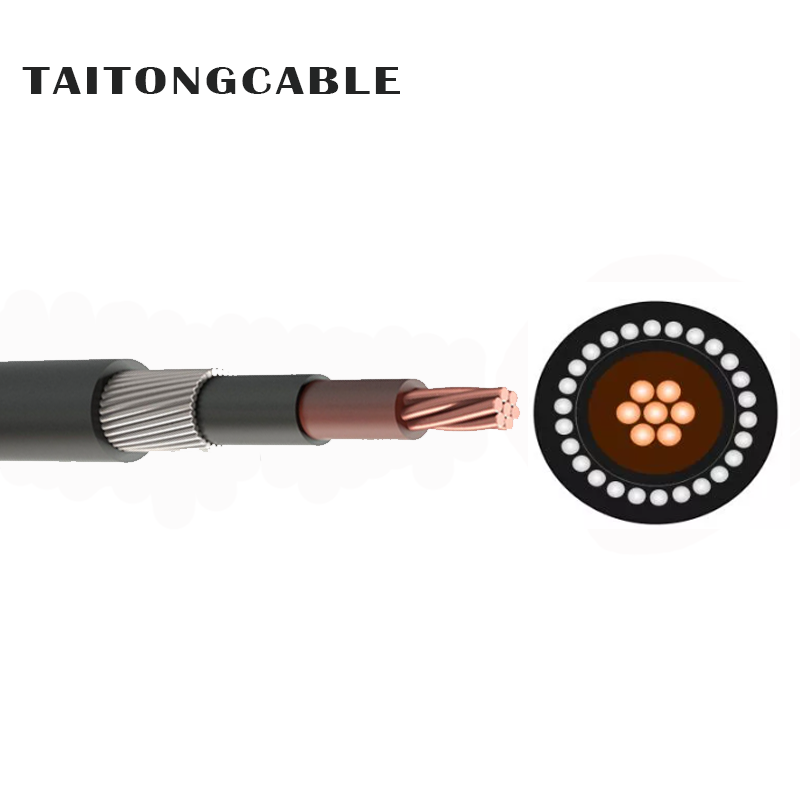
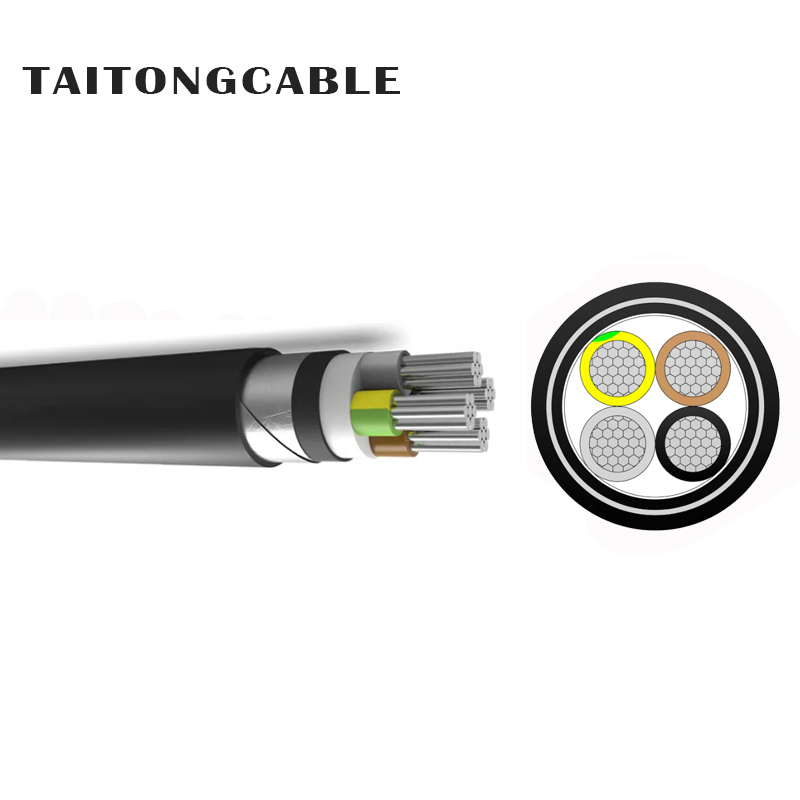
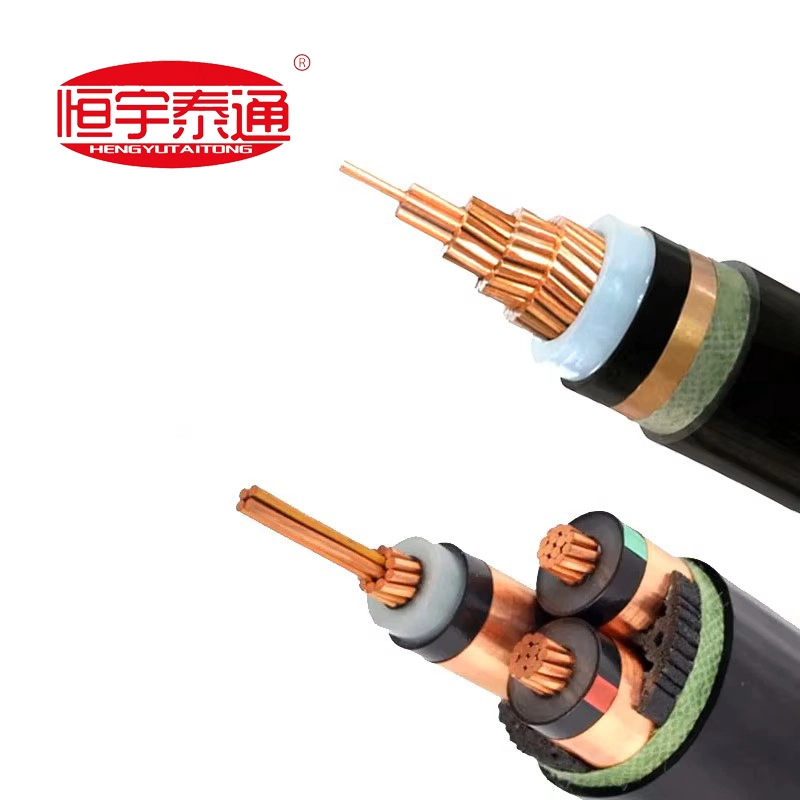
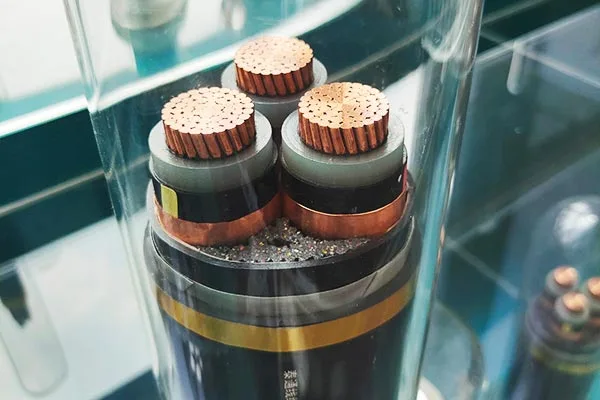
Heavy-duty Rubber Sheathed Flexible Cables are engineered with a multi-layer construction designed to withstand the most demanding industrial conditions. The core of the cable consists of flexible stranded copper conductors, which are selected for their high conductivity and ability to withstand repeated bending and flexing without breaking.
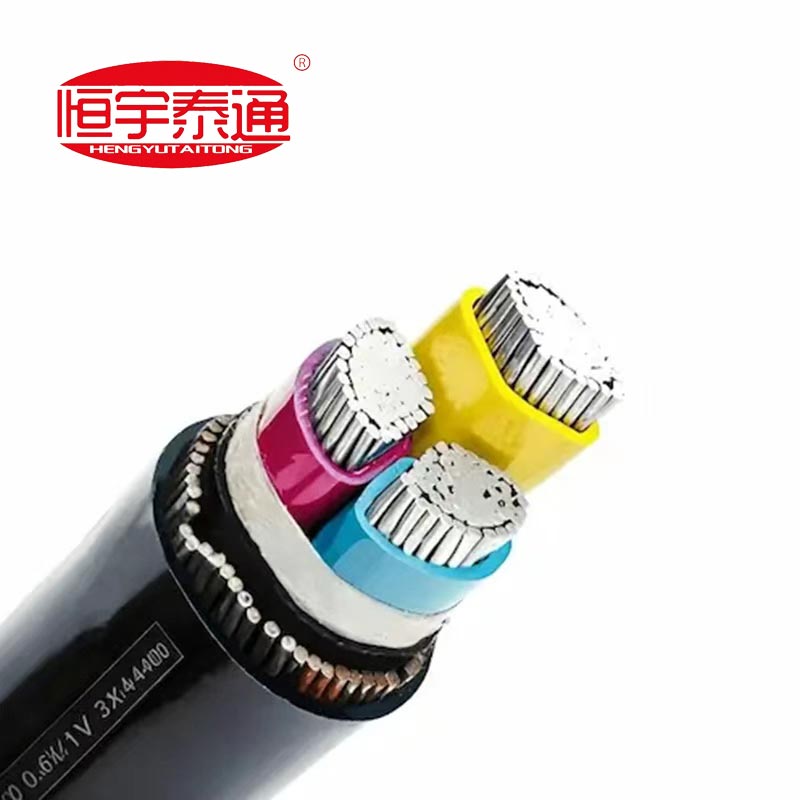
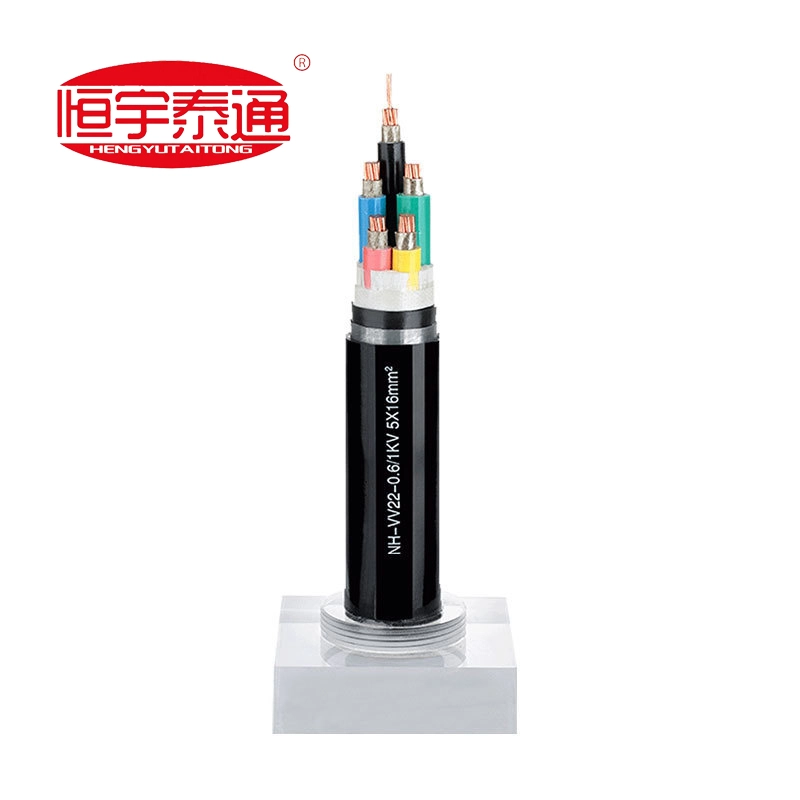
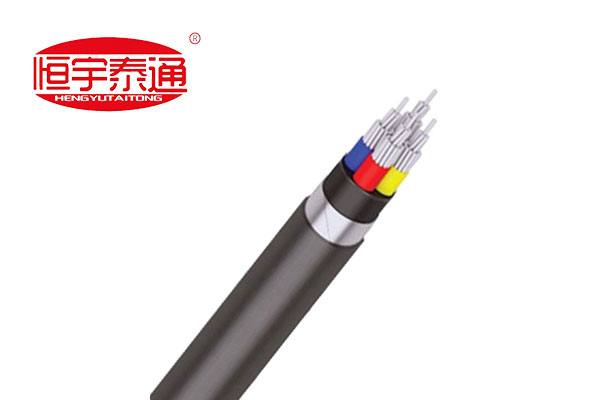
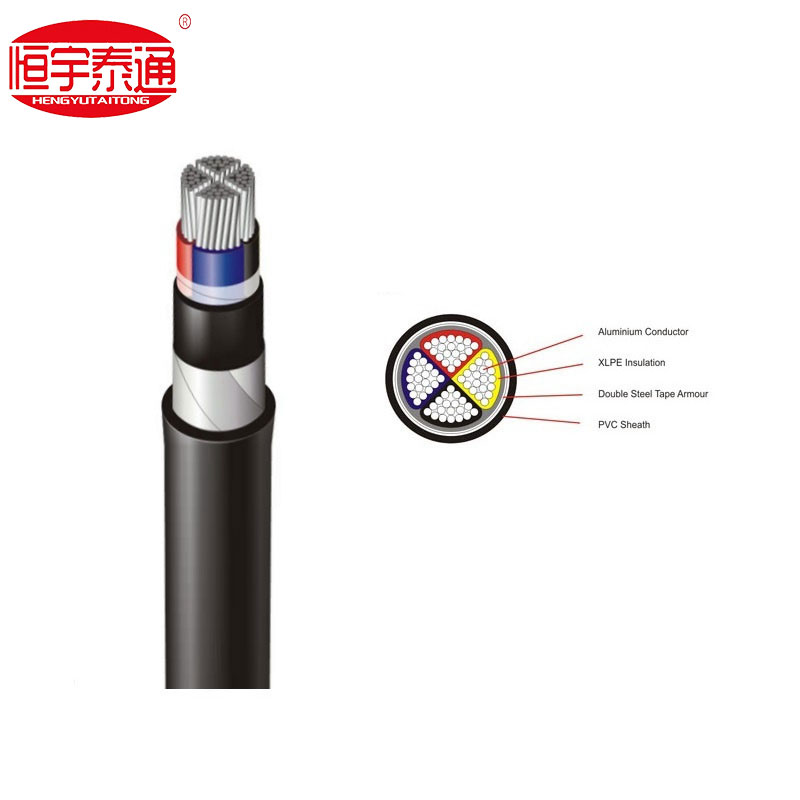
Each conductor is individually insulated with a rubber compound, typically EPR (ethylene propylene rubber) or a similar high-performance elastomer. The insulated conductors are then cabled together with fillers to create a round, compact core. A separator or binder tape may be applied to maintain the core geometry. The entire assembly is then encapsulated in a heavy-duty rubber sheath, typically PCP (polychloroprene) or CSP (chlorosulfonated polyethylene), which provides the primary protection against mechanical abuse, moisture, chemicals, and abrasion.
Flexible stranded copper
EPR rubber compound
PCP or CSP heavy-duty rubber
02. Rubber Insulation and Sheathing Technologies
Excellent electrical properties and high-temperature resistance
Superior resistance to abrasion, oil, and weathering
Good ozone and chemical resistance; suitable for outdoor use
Formulations available to meet fire safety standards
The rubber compounds used in Heavy-duty Rubber Sheathed Flexible Cables are selected for their specific performance characteristics. EPR insulation offers excellent dielectric strength and thermal stability, allowing the cable to operate at higher temperatures than PVC-insulated alternatives. The sheath compounds—PCP and CSP—are chosen for their resistance to abrasion, oil, chemicals, and environmental factors such as ozone and UV radiation.
Material Note: The combination of EPR insulation and PCP or CSP sheathing provides a cable that can withstand the mechanical, thermal, and chemical stresses encountered in heavy industrial applications, including mining, construction, and manufacturing.
03. Flexibility and Mechanical Durability
The flexibility of heavy-duty rubber sheathed cables is a key design feature. The stranded conductor construction allows the cable to bend repeatedly without fatigue failure, making it suitable for applications where the cable must be moved, coiled, or routed around obstacles.
- Stranded Conductors: Fine copper strands provide flexibility and resistance to bending fatigue.
- Rubber Insulation: The elastomeric insulation compound remains flexible over a wide temperature range.
- Sheath Flexibility: The rubber sheath is formulated to maintain flexibility while providing mechanical protection.
- Bend Radius: The cable can be bent to a smaller radius than comparable PVC cables without damage.
- Abrasion Resistance: The tough rubber sheath resists wear from dragging, scraping, and impact.
The mechanical durability of these cables is essential in harsh environments where cables are subject to rough handling, abrasion, and impact. The rubber sheath provides a tough outer layer that protects the internal conductors and insulation from damage.
04. Environmental and Chemical Resistance
Heavy-duty Rubber Sheathed Flexible Cables are designed to withstand exposure to a wide range of environmental and chemical challenges.
| Exposure | Performance | Relevant Sheath Material |
|---|---|---|
| Oil and Grease | Resistant to most industrial oils and lubricants | PCP, CSP |
| Water and Moisture | Excellent resistance; suitable for wet locations | PCP, CSP |
| Ozone and UV | Good resistance to weathering and ozone cracking | CSP |
| Acids and Alkalis | Resistant to dilute acids and alkalis | PCP, CSP |
| Temperature Extremes | Flexible from -40°C to +90°C | EPR insulation |
| Abrasion and Impact | High resistance to mechanical wear | PCP, CSP |
Based on typical performance characteristics of rubber-sheathed cables.
The chemical resistance of the sheath materials makes these cables suitable for use in environments where exposure to oil, chemicals, and solvents is common. The temperature range of -40°C to +90°C allows the cables to be used in both cold outdoor environments and hot industrial settings.
05. Electrical Performance and Safety Standards
The electrical performance of Heavy-duty Rubber Sheathed Flexible Cables is defined by their voltage rating, current-carrying capacity, and compliance with international safety standards.
- Voltage Rating: Typically 450/750V, 0.6/1kV, or higher for specialized applications.
- Current-Carrying Capacity: Determined by conductor size, insulation type, and installation conditions.
- Dielectric Strength: The EPR insulation provides high dielectric strength to prevent electrical breakdown.
- Flame Retardance: Available in flame-retardant formulations to meet IEC 60332 and other standards.
- Standards Compliance: Manufactured to IEC 60245, VDE, BS, and other international standards.
Compliance with these standards ensures that the cables are safe for use in their intended applications and that they will perform reliably over their service life. The cables are typically tested for conductor resistance, insulation resistance, voltage withstand, and mechanical properties.
06. Application Domains and Industry Use Cases
Heavy-duty rubber sheathed flexible cables are used in a wide range of industries where reliable power transmission is critical, even under the most challenging conditions.
- Mining: Power supply for drills, conveyors, pumps, and other mining equipment; resistance to abrasion and moisture is essential.
- Construction: Temporary power distribution on construction sites; flexibility and durability are required for frequent relocation.
- Manufacturing: Connection of heavy machinery, welding equipment, and portable tools; resistance to oil and chemicals is important.
- Ports and Shipyards: Power supply for cranes, hoists, and other heavy equipment; resistance to saltwater and weathering is required.
- Agriculture: Power supply for irrigation pumps, barn equipment, and outdoor machinery; resistance to moisture and UV is essential.
- Entertainment and Events: Temporary power distribution for stages, lighting, and sound systems; flexibility and safety are paramount.
The common requirement across these applications is the need for a cable that can withstand mechanical abuse, environmental exposure, and chemical attack while delivering reliable electrical performance.
Frequently Asked Questions
Technical specifications and standards may vary. Always consult the manufacturer's documentation for your specific application requirements.