English
- English
- Español
- Português
- русский
- Français
- 日本語
- Deutsch
- tiếng Việt
- Italiano
- Nederlands
- ภาษาไทย
- Polski
- 한국어
- Svenska
- magyar
- Malay
- বাংলা ভাষার
- Dansk
- Suomi
- हिन्दी
- Pilipino
- Türkçe
- Gaeilge
- العربية
- Indonesia
- Norsk
- تمل
- český
- ελληνικά
- український
- Javanese
- فارسی
- தமிழ்
- తెలుగు
- नेपाली
- Burmese
- български
- ລາວ
- Latine
- Қазақша
- Euskal
- Azərbaycan
- Slovenský jazyk
- Македонски
- Lietuvos
- Eesti Keel
- Română
- Slovenski
- मराठी
- Srpski језик
How Do HV, MV, and LV Power Cables Ensure Reliable Electrical Distribution?
Article Summary
High Voltage (HV), Medium Voltage (MV), and Low Voltage (LV) power cables are the backbone of modern electrical distribution systems. Selecting the right cable type is crucial for safety, efficiency, and durability. This article provides a comprehensive guide on cable types, applications, installation tips, and maintenance strategies to help engineers, contractors, and facility managers make informed decisions. Taitong Cable offers high-quality HV, MV, and LV solutions tailored to industrial and commercial needs.
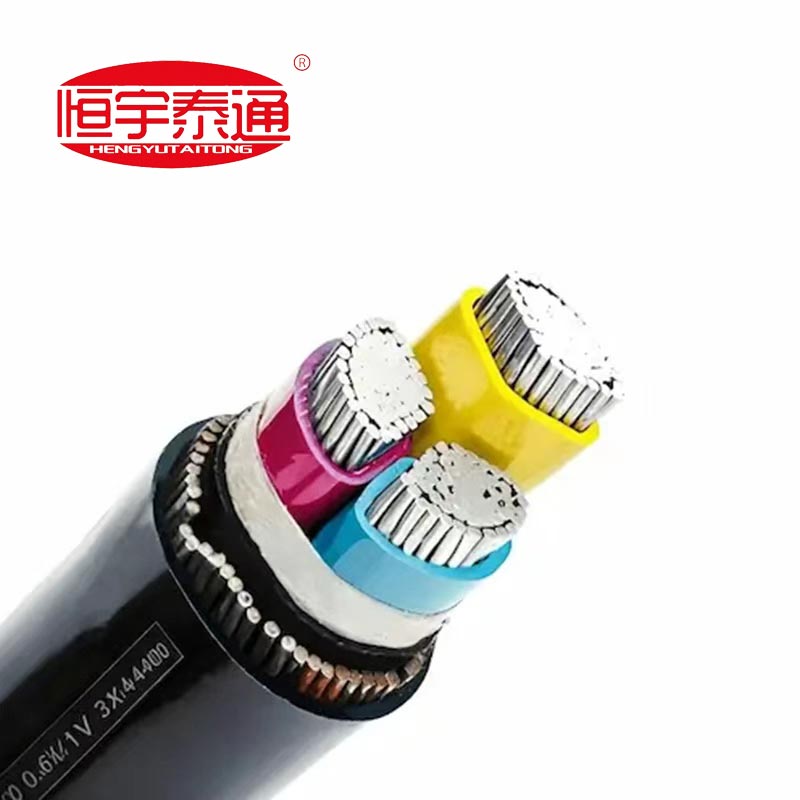
Table of Contents
- Introduction to HV, MV, and LV Power Cables
- Types and Specifications
- Applications and Use Cases
- Installation Guidelines
- Maintenance and Troubleshooting
- Frequently Asked Questions
Introduction to HV, MV, and LV Power Cables
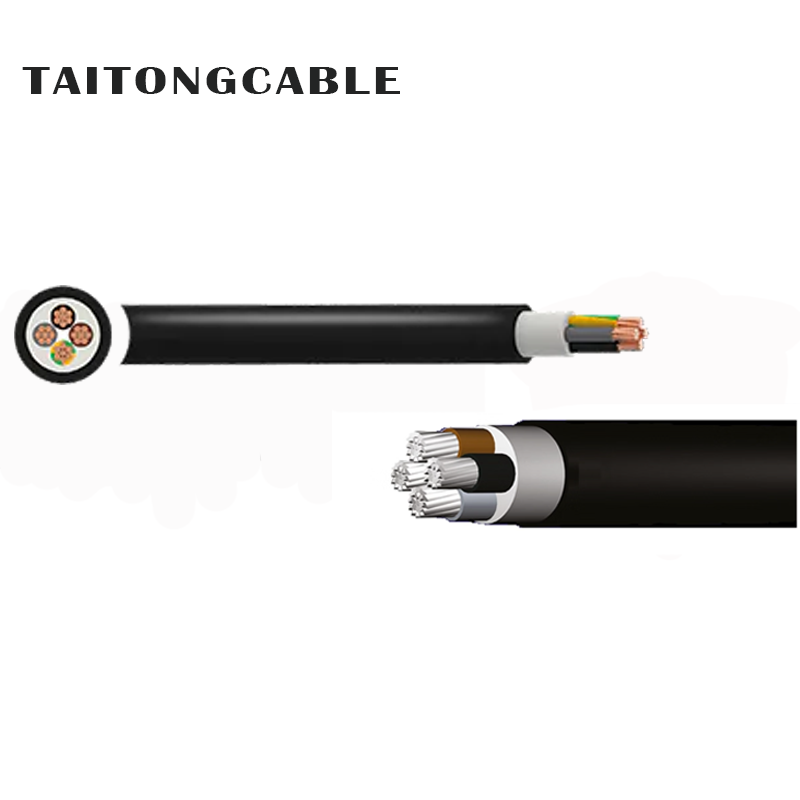
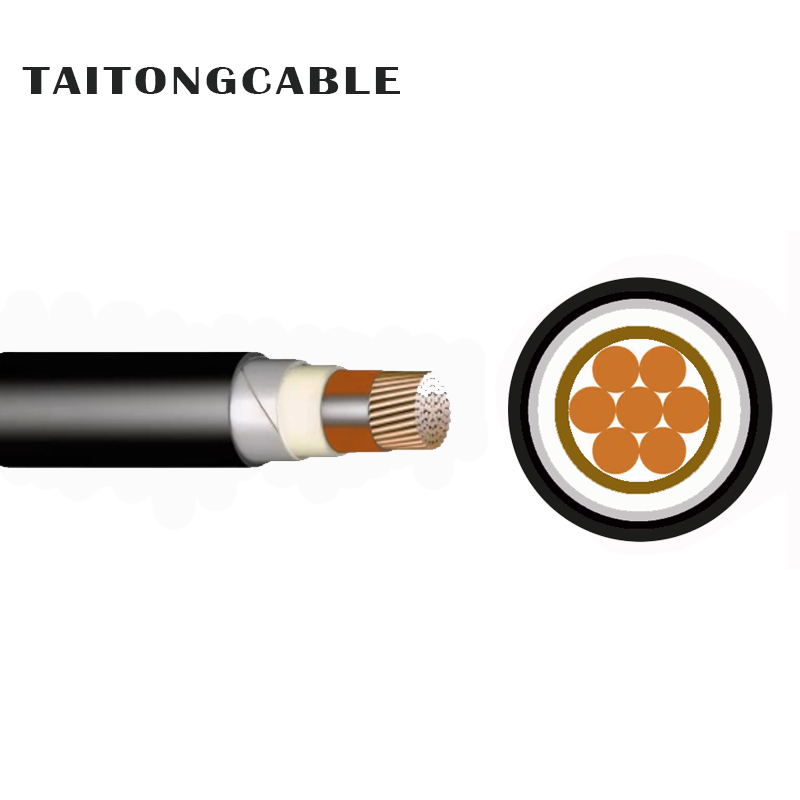
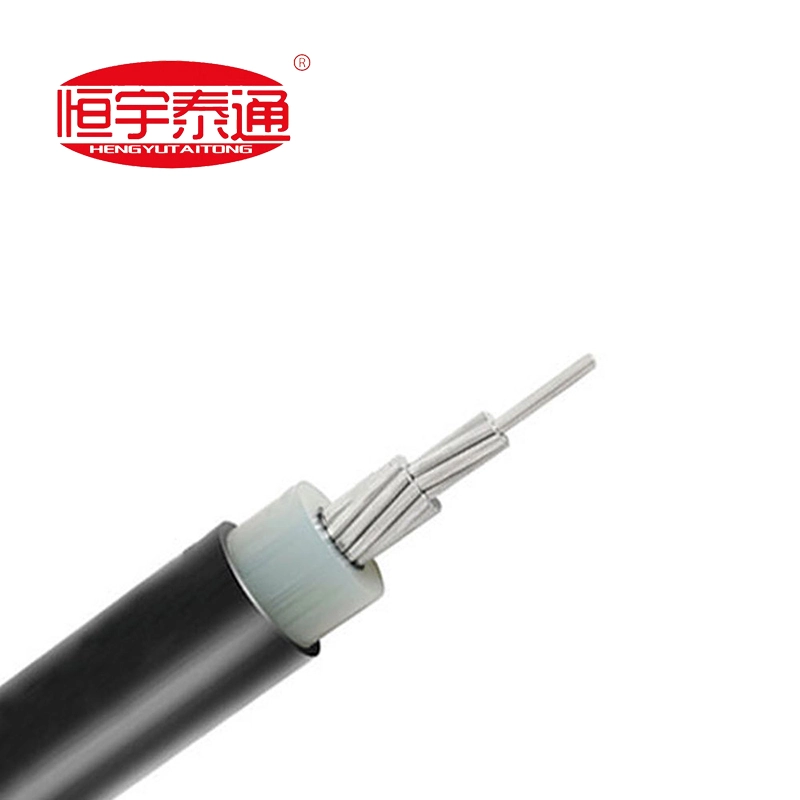
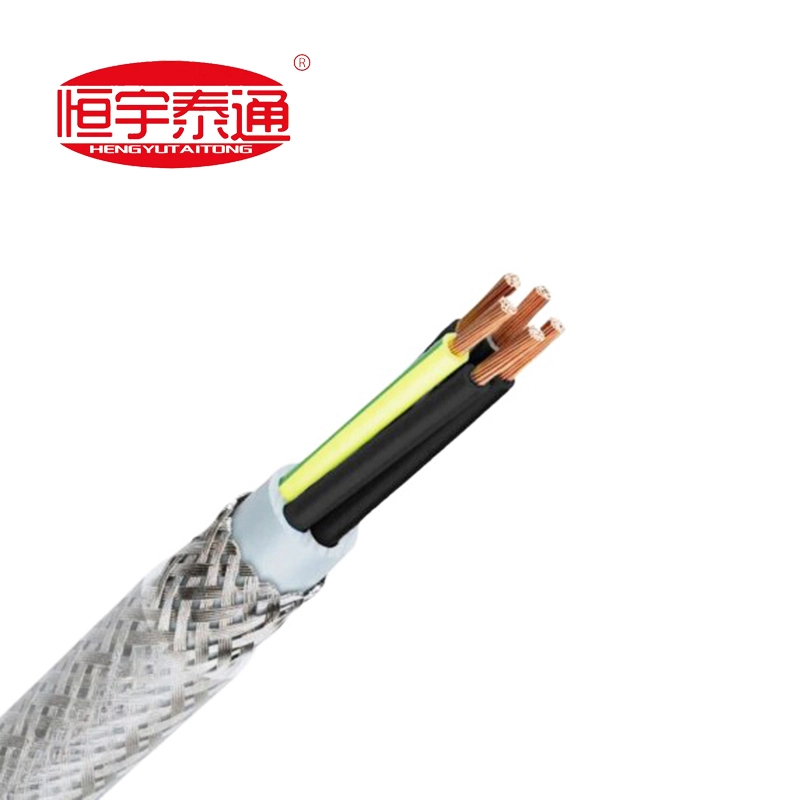
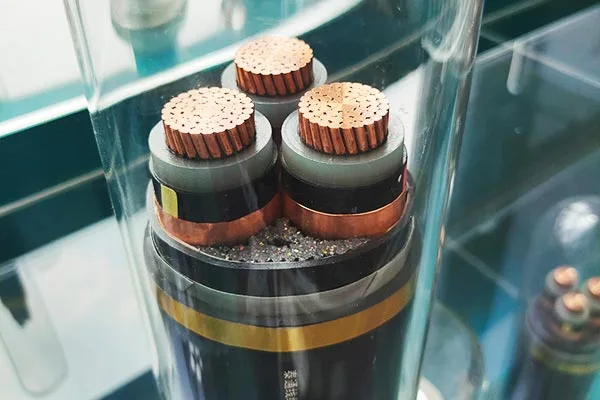
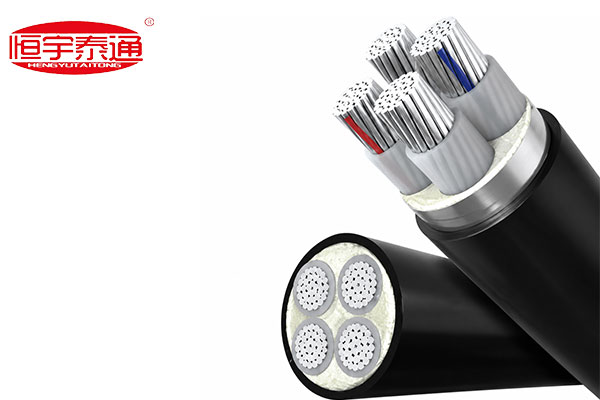
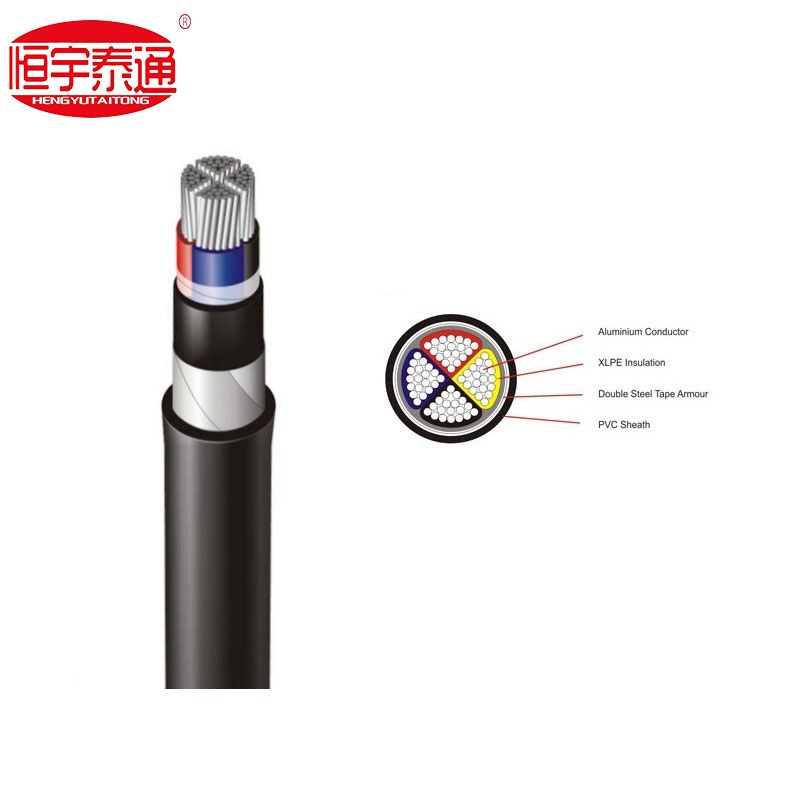
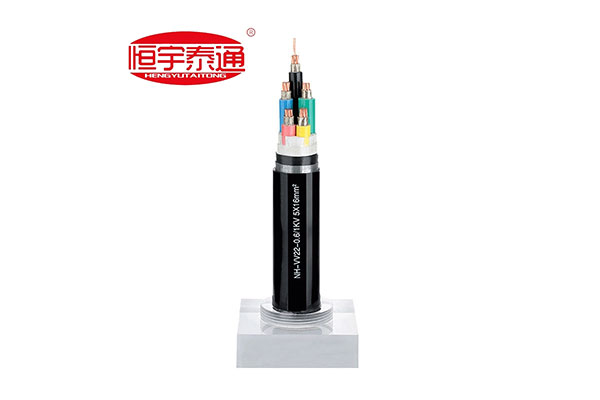
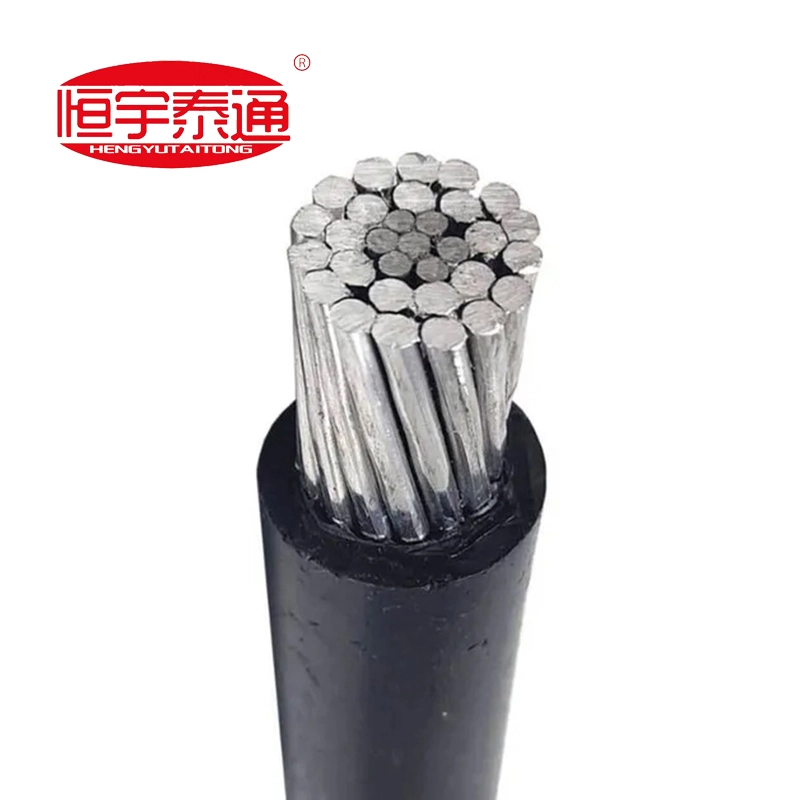
Power cables are classified into three main categories based on their voltage levels: High Voltage (HV), Medium Voltage (MV), and Low Voltage (LV). Each type is engineered to handle specific electrical loads, environmental conditions, and installation requirements.
- High Voltage (HV): Typically above 35 kV, used in transmission networks over long distances.
- Medium Voltage (MV): Ranges from 1 kV to 35 kV, suitable for distribution networks within cities or industrial plants.
- Low Voltage (LV): Below 1 kV, used for residential, commercial, and light industrial applications.
Choosing the correct cable type affects system reliability, energy efficiency, and safety compliance. Taitong Cable specializes in manufacturing HV, MV, and LV power cables that meet international standards and industrial requirements.
Types and Specifications
Understanding cable construction and specifications is essential for selecting the right solution. Below is a simplified table comparing HV, MV, and LV power cables:
| Cable Type | Voltage Range | Typical Insulation | Conductor Material | Application |
|---|---|---|---|---|
| HV | 35 kV and above | XLPE, EPR | Copper or Aluminum | Transmission lines, substations |
| MV | 1 kV – 35 kV | XLPE, PVC | Copper or Aluminum | Urban distribution, industrial plants |
| LV | Below 1 kV | PVC, XLPE | Copper | Residential, commercial, light industrial |
Taitong Cable provides customized solutions for each cable type with enhanced mechanical strength, fire resistance, and environmental protection.
Applications and Use Cases
HV, MV, and LV cables serve distinct roles in electrical networks. Understanding their applications ensures optimal performance and reduces operational risks.
- High Voltage Cables: Ideal for long-distance power transmission, connecting power plants to substations.
- Medium Voltage Cables: Efficient for distributing electricity to urban areas, industrial complexes, and large commercial buildings.
- Low Voltage Cables: Suitable for internal building wiring, small-scale industrial setups, and residential projects.
Selecting the right cable type also affects installation costs, energy efficiency, and maintenance schedules. Taitong Cable’s products are engineered to provide reliability in various climates and operating conditions.
Installation Guidelines
Proper installation is crucial to maximize cable lifespan and performance. Key considerations include:
- Routing: Avoid sharp bends and maintain proper spacing between cables to prevent overheating.
- Support: Use cable trays, conduits, or clamps suitable for the cable type and environment.
- Protection: Apply mechanical protection in areas with heavy traffic or potential external damage.
- Termination: Ensure correct terminations with compatible connectors and accessories to prevent energy loss.
Following manufacturer instructions and industry standards is essential. Taitong Cable provides detailed installation manuals for HV, MV, and LV power cables to simplify the process.
Maintenance and Troubleshooting
Regular inspection and maintenance prevent failures and costly downtime. Recommended practices include:
- Visual inspections for signs of wear, cracks, or insulation damage.
- Thermal scanning to detect hotspots or uneven current flow.
- Testing insulation resistance and continuity periodically.
- Replacing or repairing damaged cables immediately to avoid safety hazards.
Preventive maintenance, combined with high-quality cables from Taitong Cable, significantly extends the operational life of power systems.
Frequently Asked Questions (FAQ)
1. What is the main difference between HV, MV, and LV cables?
Voltage rating is the primary difference. HV cables operate above 35 kV, MV cables range from 1 kV to 35 kV, and LV cables are below 1 kV.
2. Can the same cable be used for multiple applications?
No, each cable type is designed for specific voltage levels and applications. Using the wrong type can lead to safety risks and system inefficiencies.
3. How does Taitong Cable ensure product quality?
Taitong Cable follows strict manufacturing standards, material testing, and quality control processes to guarantee durability and performance.
4. Are HV, MV, and LV cables environmentally friendly?
Modern cables, including those from Taitong Cable, use low-smoke, halogen-free materials and are designed to minimize environmental impact.
Conclusion
Choosing the right HV, MV, and LV power cables is critical for safe, efficient, and reliable electrical distribution. Taitong Cable provides high-quality solutions tailored to different voltage levels, applications, and environmental conditions. From installation to maintenance, their products support long-term operational excellence.
For more information on HV, MV, and LV power cables, or to request a quote, contact us today and ensure your electrical network performs at its best.
Previous :
Related News
- How Can Civil Installation Wires Improve Electrical Safety and Reliability in Modern Buildings
- Why Is Low voltage 2-5 core Copper conductor PVC insulated and sheathed power cables the Universal Gold-Standard Wiring Solution for All Global Construction and Industrial Power Projects in 2026
- How Do Heavy-duty Rubber Sheathed Flexible Cables Ensure Reliable Power Transmission in Harsh Environments?
- Why 4-Core Armored Aluminum Cables Power Grids
- Why 0.6/1kV Aluminum Armored Cables Power Grids
- Why Overhead Insulated Aluminum Cables Power Grids
Leave me a message