English
- English
- Español
- Português
- русский
- Français
- 日本語
- Deutsch
- tiếng Việt
- Italiano
- Nederlands
- ภาษาไทย
- Polski
- 한국어
- Svenska
- magyar
- Malay
- বাংলা ভাষার
- Dansk
- Suomi
- हिन्दी
- Pilipino
- Türkçe
- Gaeilge
- العربية
- Indonesia
- Norsk
- تمل
- český
- ελληνικά
- український
- Javanese
- فارسی
- தமிழ்
- తెలుగు
- नेपाली
- Burmese
- български
- ລາວ
- Latine
- Қазақша
- Euskal
- Azərbaycan
- Slovenský jazyk
- Македонски
- Lietuvos
- Eesti Keel
- Română
- Slovenski
- मराठी
- Srpski језик
Why Waterproof Rubber Cables Excel in Tough Sites
Summary: In heavy industrial sectors, marine environments, and mobile drilling operations, power delivery channels face relentless mechanical stress and constant exposure to moisture. Waterproof rubber sheathed flexible cables have proven to be the ultimate lifelines for these severe conditions. This article analyzes the advanced material science, dynamic flexibility, and watertight shielding mechanisms that make industrial rubber cables the preferred choice for demanding engineering procurement worldwide.
Table of Contents
The Structural Materials of Waterproof Flexible Rubber Cables
Crucial Performance Gains Over Standard Polymer Liners
Critical Application Scenarios in Industrial Infrastructure
Factory Customization for Harsh Environments
Introduction
Standard PVC-sheathed cables perform exceptionally well in static infrastructure, but they quickly crack, degrade, or short-circuit when subjected to continuous dynamic movement, severe chemical washdowns, or prolonged submersion under water. For heavy-duty machinery, submersible pumps, and mobile trailing setups, engineers require a cable that bends effortlessly without sacrificing electrical containment.
Recognizing these harsh operational landscapes, Taitong Cable manufactures customized, high-flexibility waterproof rubber sheathed cables. Engineered with high-purity copper conductors and robust elastomeric formulations, these power lines deliver superior runtime safety in global mining, marine, and construction projects.
The Structural Materials of Waterproof Flexible Rubber Cables
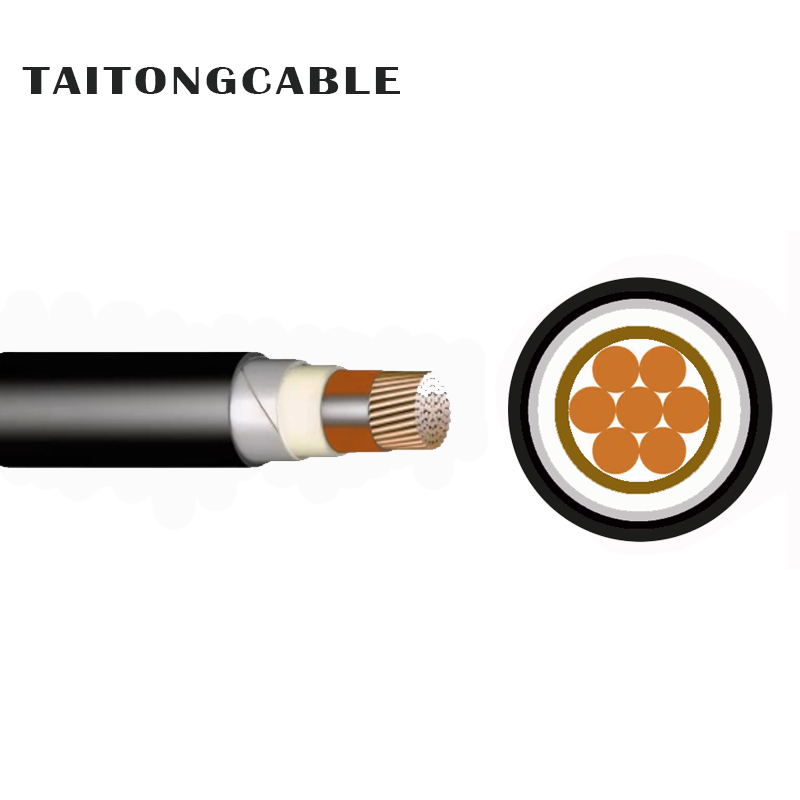
The exceptional resilience of an industrial waterproof rubber cable stems from its specialized chemical composition and multi-layered physical defense system:
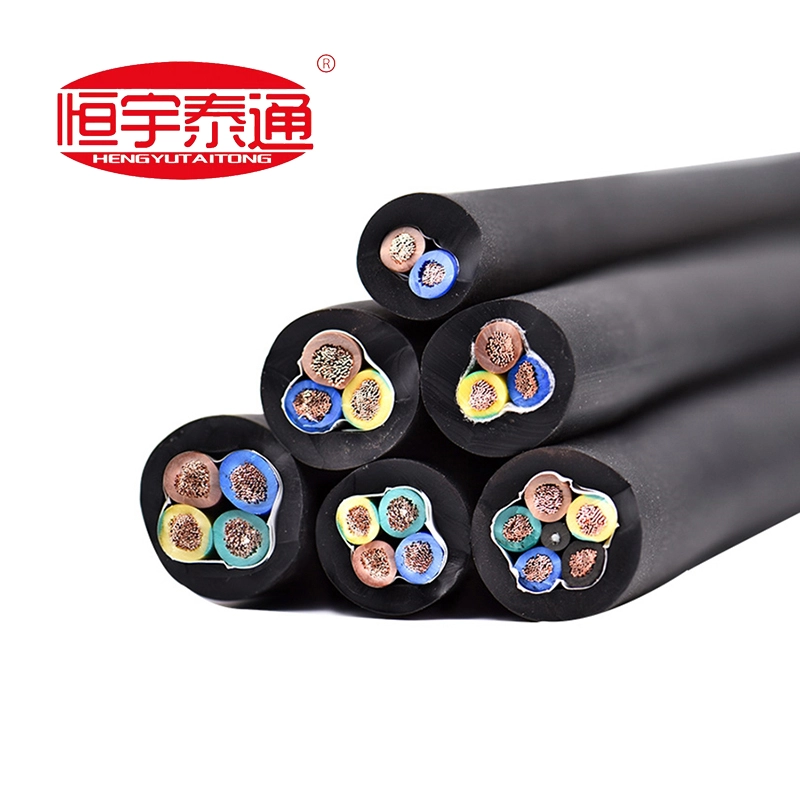
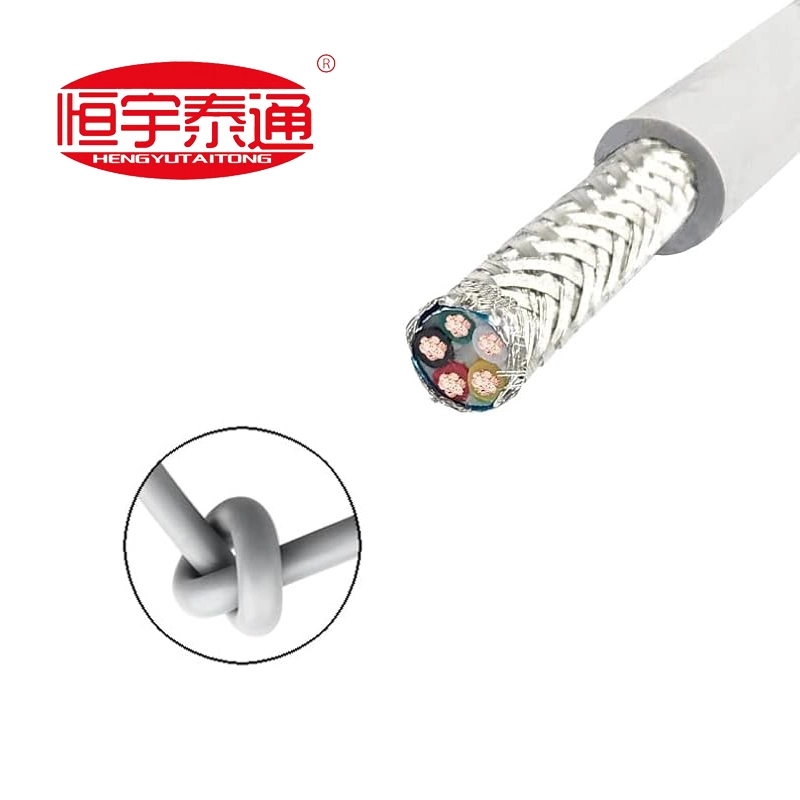
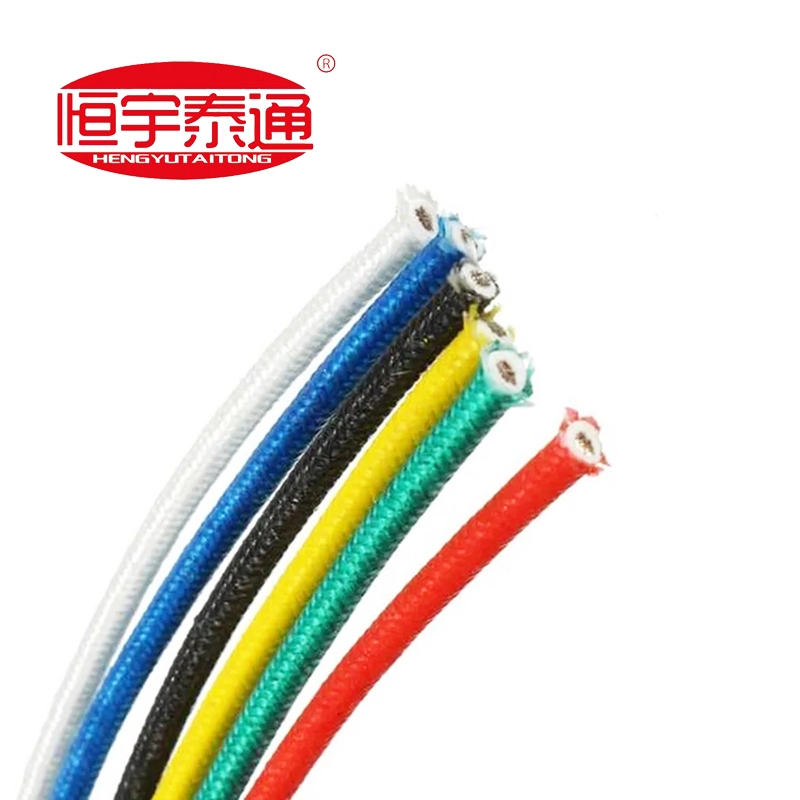
Flexible Copper Conductors: Composed of Class 5 or Class 6 fine-stranded plain or tinned copper wires. This extreme stranding allows the core to bend repeatedly at sharp angles without developing structural fatigue or micro-fractures.
Premium EPR/Rubber Insulation: Ethylene Propylene Rubber provides high dielectric strength, remarkable heat resistance (up to 90°C), and stays highly pliable even in sub-zero Arctic conditions.
Waterproof Inner Layer: A specialized non-hygroscopic binding wrap or inner rubber matrix that prevents longitudinal water migration along the inner cores.
Heavy-Duty Waterproof Rubber Outer Sheath: Formulated from advanced synthetic elastomers (such as Chloroprene or specialized rubber compounds), providing an impermeable barrier against pressurized water, tearing forces, and heavy abrasion.
Crucial Performance Gains Over Standard Polymer Liners
Why do municipal sewage plants, harbor authorities, and mining consultants specify heavy-duty rubber jackets over standard plastic cabling?
Absolute Submersion Reliability: The molecular structure of our specialized rubber compound repels prolonged water exposure. It prevents moisture tracking through the insulation grid, protecting submersible pump motors from expensive winding burnouts.
Outstanding Torsional and Flexing Endurance: Mobile cranes, conveyor belts, and automated trailing gear require cables that can twist, pull, and coil daily. Our Class 5 copper cores paired with rubber jackets can handle thousands of continuous flex cycles without snapping.
Extreme Chemical and Oil Resistance: Industrial job sites are plagued by hydraulic fluids, diesel spills, and corrosive soil chemicals. The synthetic rubber outer sheath remains chemically stable, preventing swelling, softening, or cracking under oily exposures.
Critical Application Scenarios in Industrial Infrastructure
Thanks to their rugged, elastomeric build, waterproof flexible rubber cables are widely deployed across global infrastructure bids:
Submersible Pumps & Drainage Networks: Supplying reliable power to deep-well agricultural pumps, wastewater aerators, and municipal flood control stations.
Port and Marine Machinery: Powering heavy-duty container cranes, shipyard gantries, and dockside shore-power stations exposed to salty sea sprays.
Open-Cast and Underground Mining: Connecting mobile drilling rigs, heavy excavators, and conveyor systems operating in damp, rocky tunnels.
Temporary Construction Grids: Distributing temporary power across rugged outdoor job sites where cables are dragged over sharp rocks and concrete slabs.
Factory Customization for Harsh Environments
Infrastructure grids across different continents present highly localized challenges, which is why static stock clearinghouses often fall short.
| Technical Parameter | Range & Compliance | Heavy Project Benefit |
| Conductor Flexibility | Class 5 / Class 6 Fine Stranded Copper | Extremely tight bending radius, allows continuous dynamic reeling |
| Working Temperature | -35°C to +90°C (Conductor Thermal Limit) | Retains high flexibility in freezing winters and high-load environments |
| Color Customization | High-visibility Yellow, Safety Black, etc. | Enhances site safety and tracking visibility across busy industrial zones |
At Taitong Cable, we adhere strictly to a 100% factory-direct customized production model. We do not push pre-made, generic wire rolls. Instead, we engineer each batch of waterproof rubber sheathed cables to meet your exact project bill of quantities (BOQ), ensuring customized core counts, color codings, cross-sectional configurations, and precise compatibility with international standards.
Contact our rubber-cable technical unit today to claim authorized product catalogs, custom drawing layouts, or to receive an express, competitive factory quotation for your upcoming project procurement!
Related News
- How Can Civil Installation Wires Improve Electrical Safety and Reliability in Modern Buildings
- Why Is Low voltage 2-5 core Copper conductor PVC insulated and sheathed power cables the Universal Gold-Standard Wiring Solution for All Global Construction and Industrial Power Projects in 2026
- How Do Heavy-duty Rubber Sheathed Flexible Cables Ensure Reliable Power Transmission in Harsh Environments?
- Why 4-Core Armored Aluminum Cables Power Grids
- Why 0.6/1kV Aluminum Armored Cables Power Grids
- Why Overhead Insulated Aluminum Cables Power Grids
Leave me a message