English
- English
- Español
- Português
- русский
- Français
- 日本語
- Deutsch
- tiếng Việt
- Italiano
- Nederlands
- ภาษาไทย
- Polski
- 한국어
- Svenska
- magyar
- Malay
- বাংলা ভাষার
- Dansk
- Suomi
- हिन्दी
- Pilipino
- Türkçe
- Gaeilge
- العربية
- Indonesia
- Norsk
- تمل
- český
- ελληνικά
- український
- Javanese
- فارسی
- தமிழ்
- తెలుగు
- नेपाली
- Burmese
- български
- ລາວ
- Latine
- Қазақша
- Euskal
- Azərbaycan
- Slovenský jazyk
- Македонски
- Lietuvos
- Eesti Keel
- Română
- Slovenski
- मराठी
- Srpski језик
Why Shielded Control Cables Prevent EMI Noise
Summary:In automated manufacturing plants, power generation stations, and complex processing facilities, control lines run alongside heavy power lines, creating intense electromagnetic fields. Shielded control anti-interference cables serve as the reliable nervous system of these operations. This article breaks down the multi-layered material architecture, electromagnetic interference (EMI) suppression mechanics, and shielding benefits that make premium control cables critical for modern industrial automation.
Table of Contents
Structural Anatomy of Shielded Anti-Interference Control Cables
Why Braided Shielding is Vital Against Industrial Noise
Critical Application Scenarios in Automated Engineering
Factory-Direct Compliance and Custom Ordering
Introduction
As industrial plants integrate smarter automated systems, the density of electronic equipment increases exponentially. This high-density environment generates massive amounts of electromagnetic interference (EMI) and radio frequency interference (RFI). Without adequate shielding, low-voltage control signals sent to programmable logic controllers (PLCs), sensors, and actuators can easily become corrupted, leading to false machine readings, system errors, or hazardous emergency shutdowns.
To secure critical automated signals, Taitong Cable manufactures heavy-duty shielded control anti-interference cables. Combining highly flexible conductors with dense metallic shielding, these control lines ensure flawless signal delivery across heavily disrupted industrial zones worldwide.
Structural Anatomy of Shielded Anti-Interference Control Cables
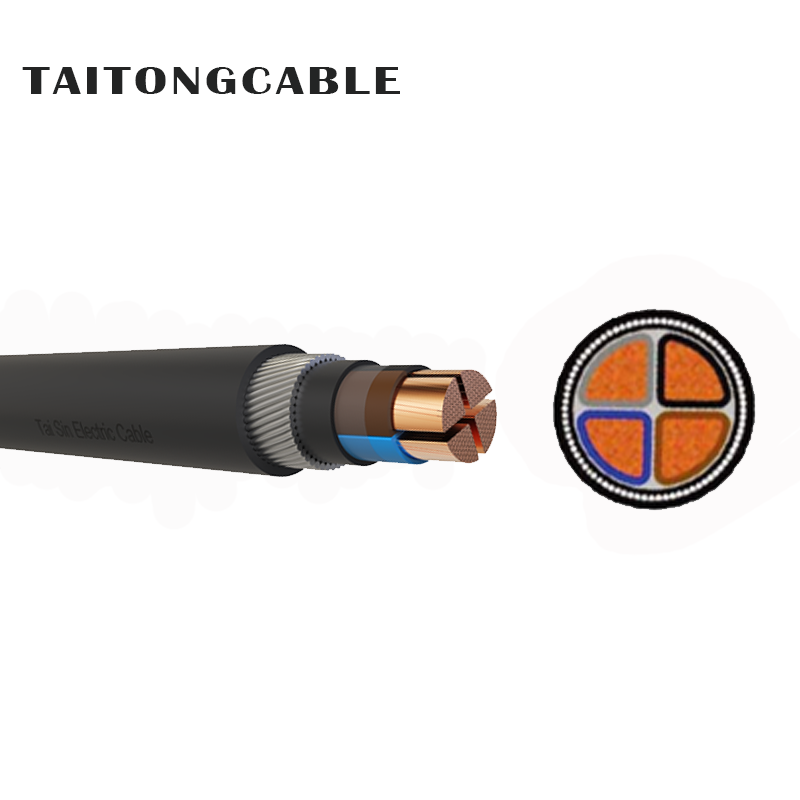
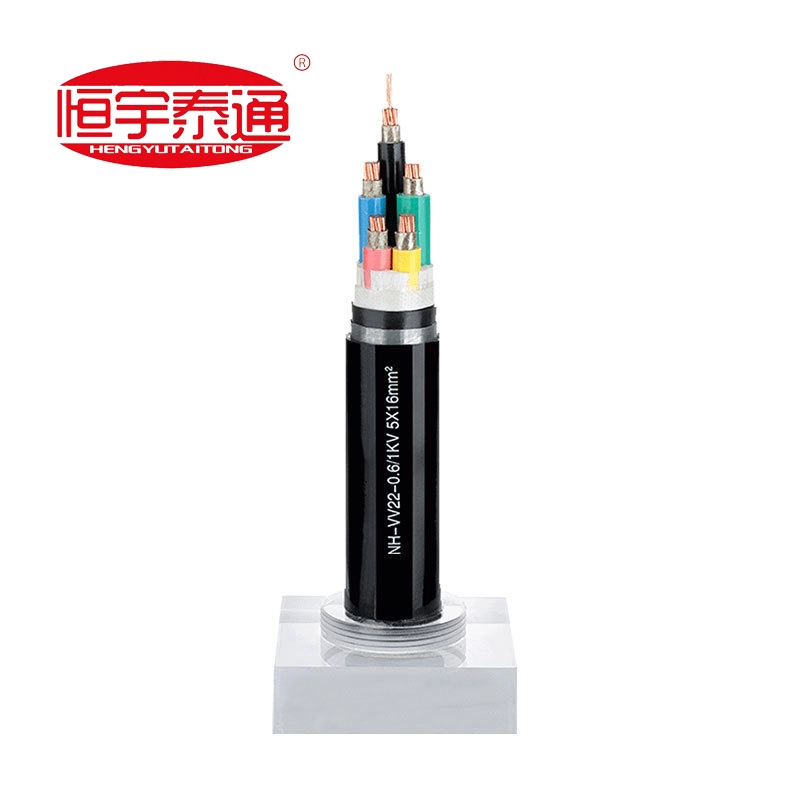
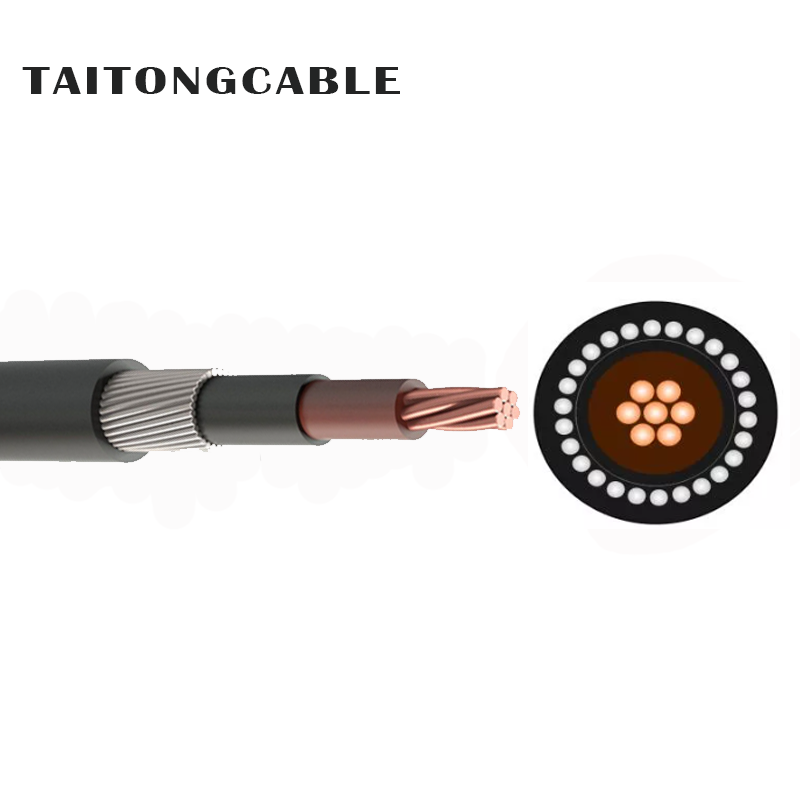
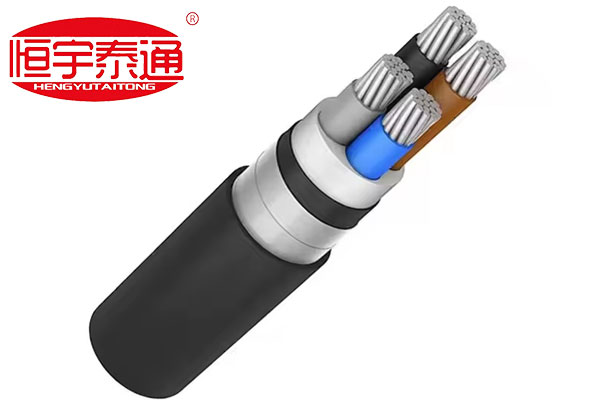
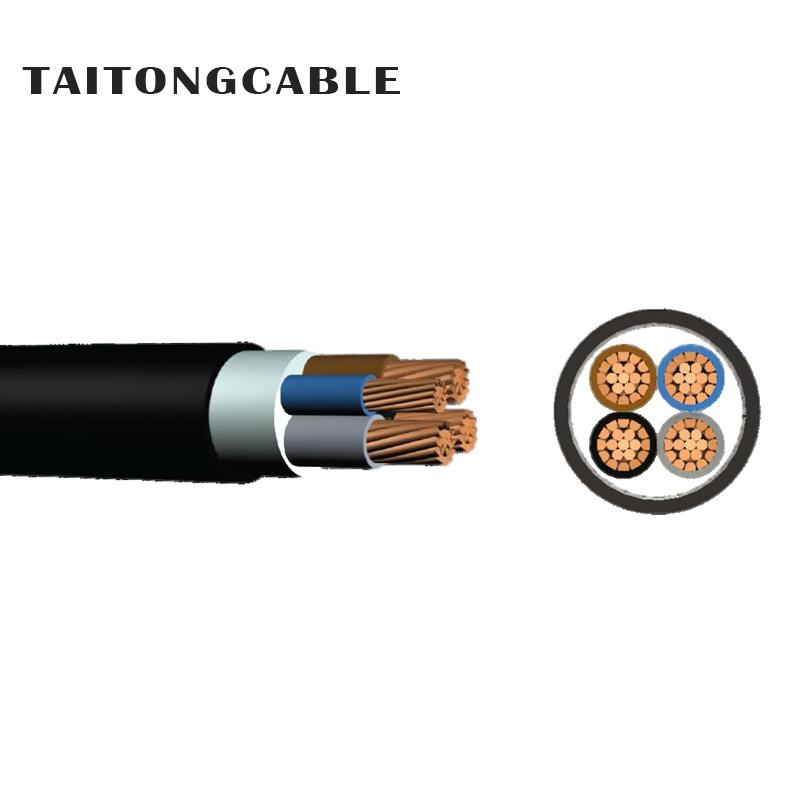
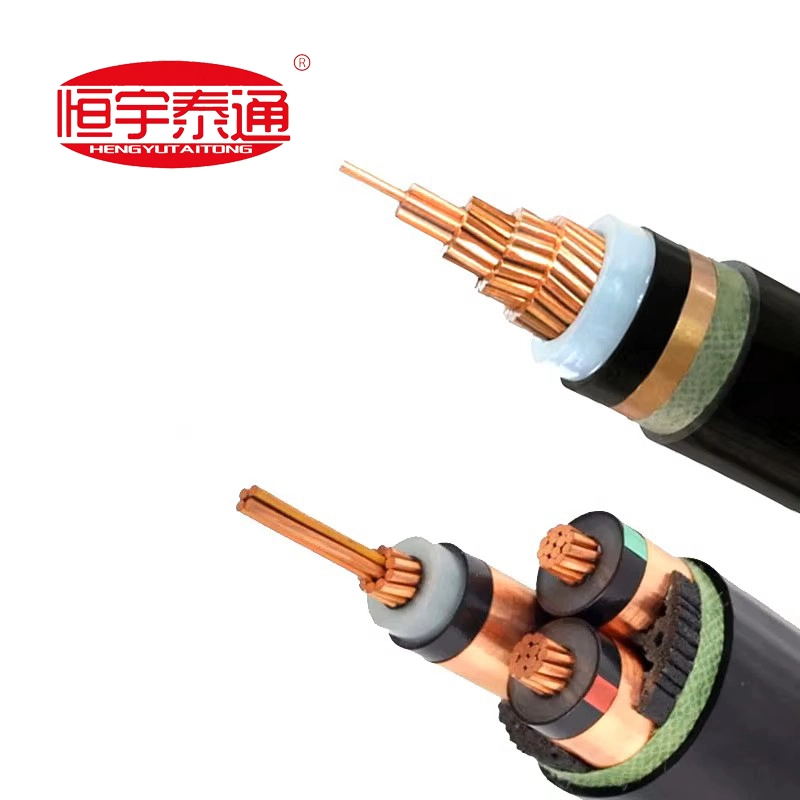
The internal configuration of a standard control cable is engineered layer-by-layer to separate external noise from the internal copper conductors:
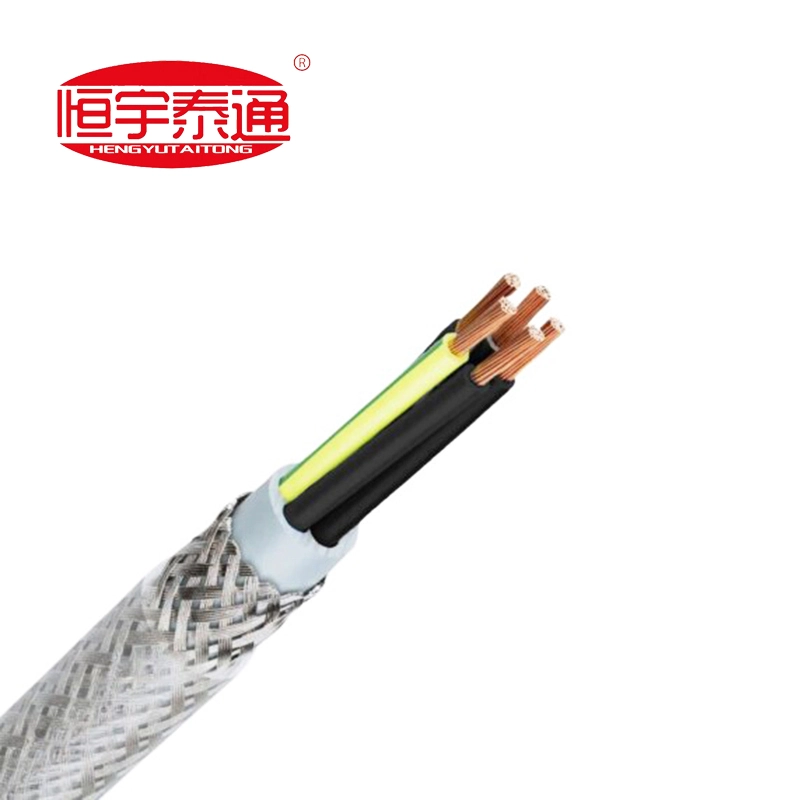
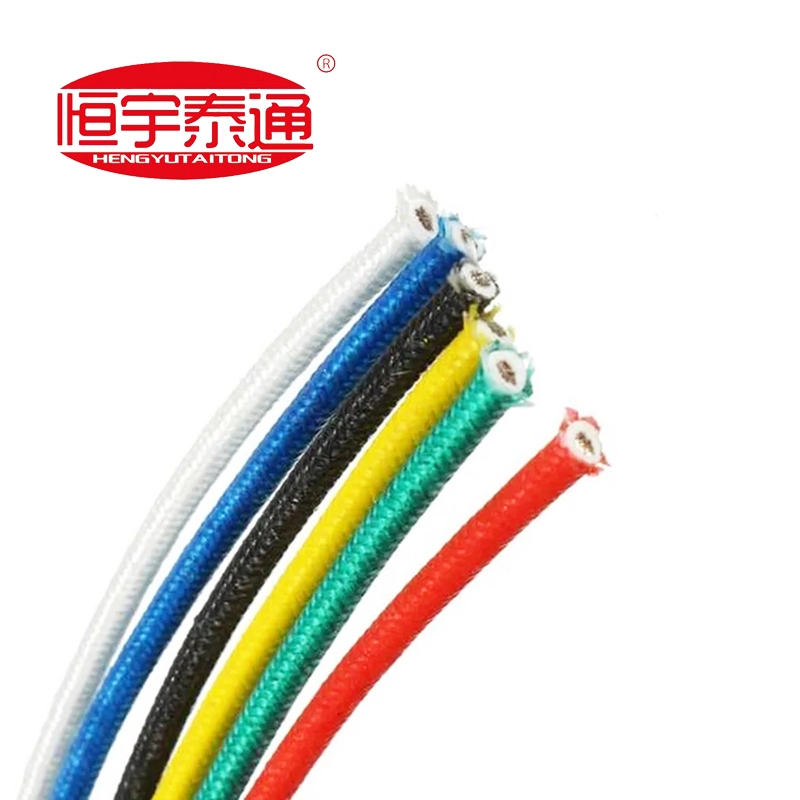
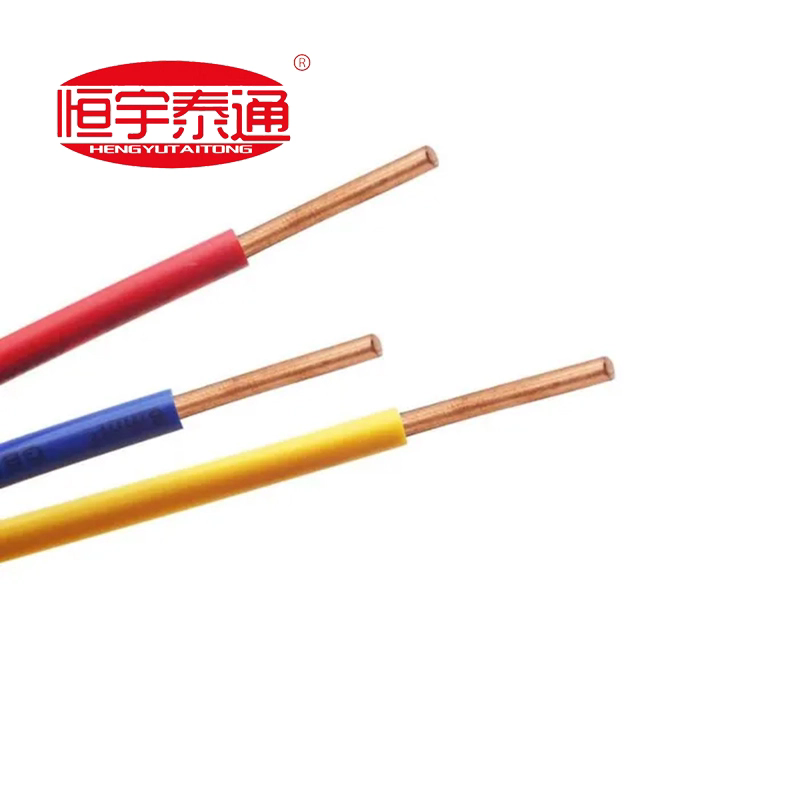
High-Purity Copper Conductors: Composed of multi-core, finely stranded plain copper wires, providing maximum electrical conductivity and superior flexibility for tight routing inside control panels.
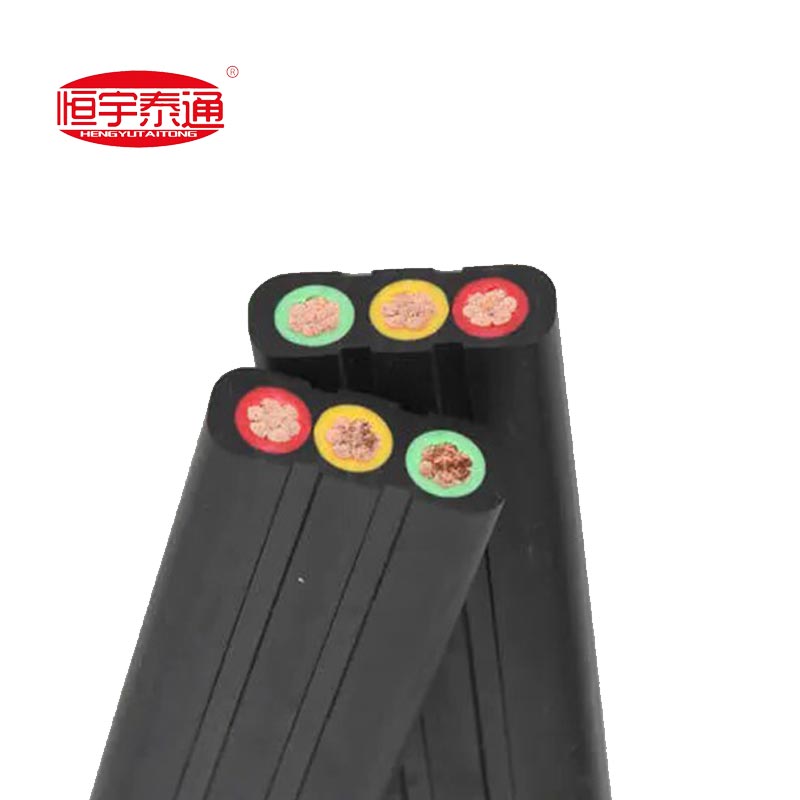
Color-Coded Insulation: Premium PVC or XLPE insulation compound with distinct color-coding (including the standard green/yellow grounding wire) for straightforward terminal identification and safety during installation.
Inner Bedding / Sheath Layer: A smooth polymer wrap or extruded layer that tightly binds the twisted cores together and forms a protective cushion for the overlying shield.
High-Coverage Braided Metallic Shield: A dense, cross-woven tinned copper or steel wire braid that envelops the internal cores, acting as an impenetrable electromagnetic barrier.
Flame-Retardant Outer Jacket: A robust PVC sheath formulated to resist oil splashes, moisture tracking, abrasion, and flame propagation in open cable trays.
Why Braided Shielding is Vital Against Industrial Noise
While unshielded control wires work well in basic electrical loops, automated industrial hubs mandate high-coverage braided shields for three key performance reasons:
1.Comprehensive EMI & RFI Absorption: The metallic braid acts as a Faraday cage. It intercepts radiated electromagnetic waves from surrounding large motors, transformers, and high-voltage power cables, safely diverting the stray currents to the ground before they disrupt the inner core signals.
2.Superior Flexible Strength: Unlike static aluminum foil shields that can easily tear or crack when bent repeatedly inside dynamic machinery, a woven metal braid maintains 100% structural shielding integrity even under continuous mechanical flexing and twisting.
3.Cross-Talk Prevention: In multi-core control conduits, high-frequency currents in one wire can bleed into neighboring circuits. Precision braiding isolates individual cable groups, ensuring clean, independent data streams.
Critical Application Scenarios in Automated Engineering
Thanks to their anti-interference reliability, shielded control cables are heavily specified across precision infrastructure tenders:
Automated Assembly & Robotics Lines: Linking central PLC control desks to automated robotic arms and assembly conveyors requiring uninterrupted command loops.
Substation Control & Relay Panels: Interconnecting measurement instruments, protective relays, and switchgear controls within high-voltage power environments.
Petrochemical and Processing Refineries: Transmitting delicate temperature, pressure, and flow-meter sensor readings over extended indoor and outdoor cable runs.
HVAC and Building Management: Routing safe, low-noise control loops through commercial high-rises to manage automated ventilation, elevators, and security architectures.
Factory-Direct Compliance and Custom Ordering
Precision instrumentation allows zero margin for impedance imbalances or shielding gaps. Industrial procurement contracts mandate exact conformity with strict quality standards like IEC 60227 or regional industrial norms.
| Technical Feature | Specification Detail | Industrial Performance Advantage |
| Conductor Material | Stranded Flexible Copper (Class 5) | Easy to bend and terminate within tight terminal blocks |
| Shielding Efficiency | High-Density Braided Wire Shield | Eliminates up to 95% of ambient electromagnetic noise |
| Jacket Compound | Flame-Retardant, Oil-Resistant PVC | Prevents outer wear from industrial lubricants and chemical vapors |
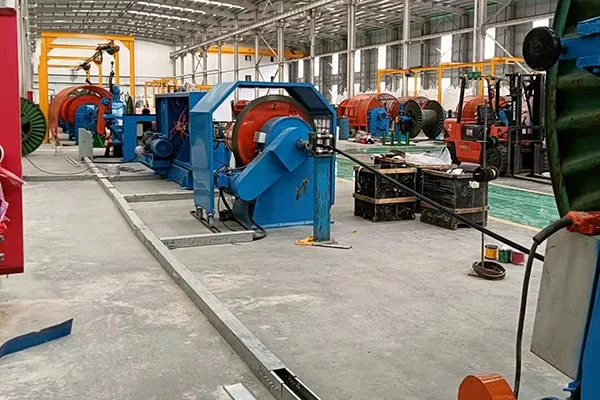
At Taitong Cable, we reject rigid, mass-produced inventory clearing systems in favor of a 100% factory-direct customized production model. We understand that every automation setup requires unique core counts, specific grounding arrangements, and specialized insulation properties. We custom-manufacture each batch of control cables directly to your project's specific bills of quantities (BOQ)—calibrating core sizing, shielding coverage ratios, and jacket compounds to match your exact electrical environment.
Contact our instrumentation engineering team today to request verified technical drawings, custom core arrangement layouts, or to receive an express, direct-factory price estimate for your upcoming project tender!
Related News
- How Can Civil Installation Wires Improve Electrical Safety and Reliability in Modern Buildings
- Why Is Low voltage 2-5 core Copper conductor PVC insulated and sheathed power cables the Universal Gold-Standard Wiring Solution for All Global Construction and Industrial Power Projects in 2026
- How Do Heavy-duty Rubber Sheathed Flexible Cables Ensure Reliable Power Transmission in Harsh Environments?
- Why 4-Core Armored Aluminum Cables Power Grids
- Why 0.6/1kV Aluminum Armored Cables Power Grids
- Why Overhead Insulated Aluminum Cables Power Grids
Leave me a message